

Hashprice Drops to $29: One in Five Miners Now Operating at a Loss
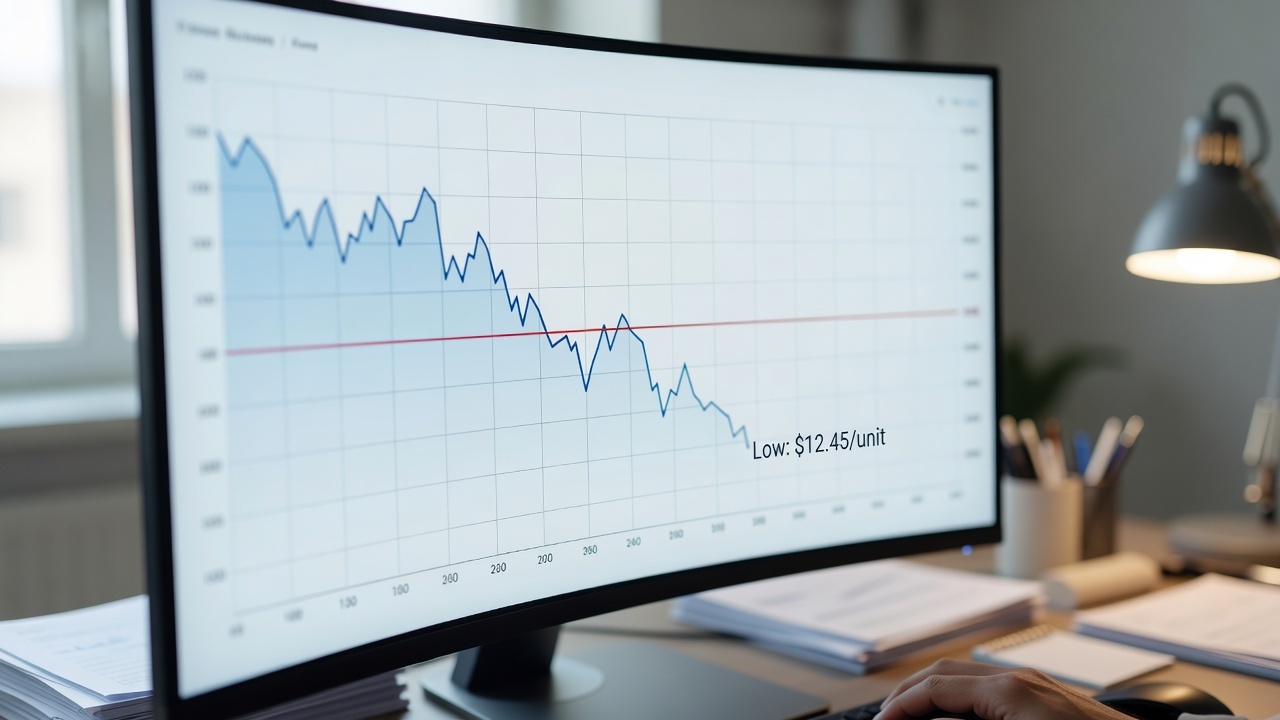
In early July 2026, the Bitcoin Miner Cycle Stress Composite hit historic lows, levels comparable to the cyclical bottoms of 2015, 2018, and 2020. Hashprice is holding around $29 per PH/s per day, reminiscent of the post-COVID crash. By various estimates, roughly 20% of the global mining network is now operating at a loss, Bitcoin has traded below the estimated $78,000 aggregate production cost for five consecutive months.
What Hashprice Is and Why It Matters
Hashprice is the income a miner earns per unit of computing power per day (usually in dollars per PH/s/day or TH/s/day). It combines two factors: the price of Bitcoin and current network difficulty. When difficulty rises faster than price, hashprice falls, and older hardware is the first to drop out of profitability.
At a hashprice of $29/PH/s/day, miners with efficiency worse than 25 J/TH (joules per terahash), most machines older than 3-4 years, are running at breakeven or a loss at a typical electricity rate of $0.07-0.10/kWh.
Who Stays Profitable at Current Hashprice
- New ASICs (13-16 J/TH) - like the Antminer S21 XP at 270 TH/s, retain positive margin even at $0.08/kWh
- Farms with cheap electricity - below $0.05/kWh, especially in regions with hydro or surplus generation
- Miners on low-fee pools - when operating at the margin, a 1-2% fee difference determines whether income is positive or negative
Older models, Antminer S9, S17, and even some unpgraded S19 units, are in most cases unprofitable at current electricity prices above $0.06/kWh.
What Small Farm Owners Should Do Right Now
- Calculate your real margin - using your actual electricity rate and pool fee, not averaged figures. Use our mining profitability calculator
- Compare pool fees - at the margin of profitability, a 1-3% difference decides whether the farm runs at a profit
- Consider shutting off older machines - sometimes it's cheaper not to mine at all than to mine at a loss, especially on expensive rates
- Check your hosting terms - if you're on colocation, ask whether flexible rates exist for low-profitability periods
Frequently Asked Questions
Is this a temporary dip or the new normal?
Hashprice is historically cyclical, drops after halvings and difficulty surges happened in 2018, 2020, and now in 2026. Recovery usually comes either through a Bitcoin price rally or through inefficient miners exiting the network, which lowers difficulty.
Should I shut down my miner now?
It depends on your efficiency (J/TH) and electricity rate. Run the numbers through our calculator, if marginal costs exceed income, a temporary shutdown may be more rational than continuing to mine at a loss.
How do I pick a better pool during low hashprice?
At the margin of profitability, the exact fee and payout scheme matter more than pool reputation. See our full pool selection guide.