Binance Pool review 2026: fees, payouts, countries, who it fits
The Binance exchange pool: 4% FPPS, daily payouts to the exchange wallet, no Lightning and no access from Russia.
 POOL BTC
How to choose a pool, connect a miner, compare wallets and cards. No fluff - only working guides and numbers.
How to choose a pool, connect a miner, compare wallets and cards. No fluff - only working guides and numbers.
The Binance exchange pool: 4% FPPS, daily payouts to the exchange wallet, no Lightning and no access from Russia.
Five models from $59 to $399 with a secure element and Taproot, but partly open firmware and no shipping to Russia.

A self-custodial Visa card with annual fees from $25 and up to 6% cashback paid in stablecoins up to 12 months late.

A prediction market on BNB Chain where makers pay 0%, takers up to 2% and gas is free, with several countries blocked.
Static datacenter proxies from one IP for five days, paid in BTC, LTC or ETH: what Proxyline costs, where rivals beat it and who it suits.

What OKX charges on spot and futures, where it is blocked, how its reserves and US guilty plea stack up, and who the exchange suits.
EMCD fees for 9 coins, the 0.0001 BTC minimum payout, KYC, security, an unconfirmed network share and a comparison with F2Pool, ViaBTC and Binance Pool.

Tangem NFC card wallet: set prices, seedless and seed phrase setups, audits, the Ledger Donjon laser attack, shipping countries and a comparison with Ledger, Trezor and SafePal.

A plain look at the KAST stablecoin Visa card: tiers, fees, cashback, supported countries and how it compares with RedotPay, Tria and ether.fi.

How Polymarket works, fees by market category, who cannot open positions, including Russia, and which resolution disputes have already happened.
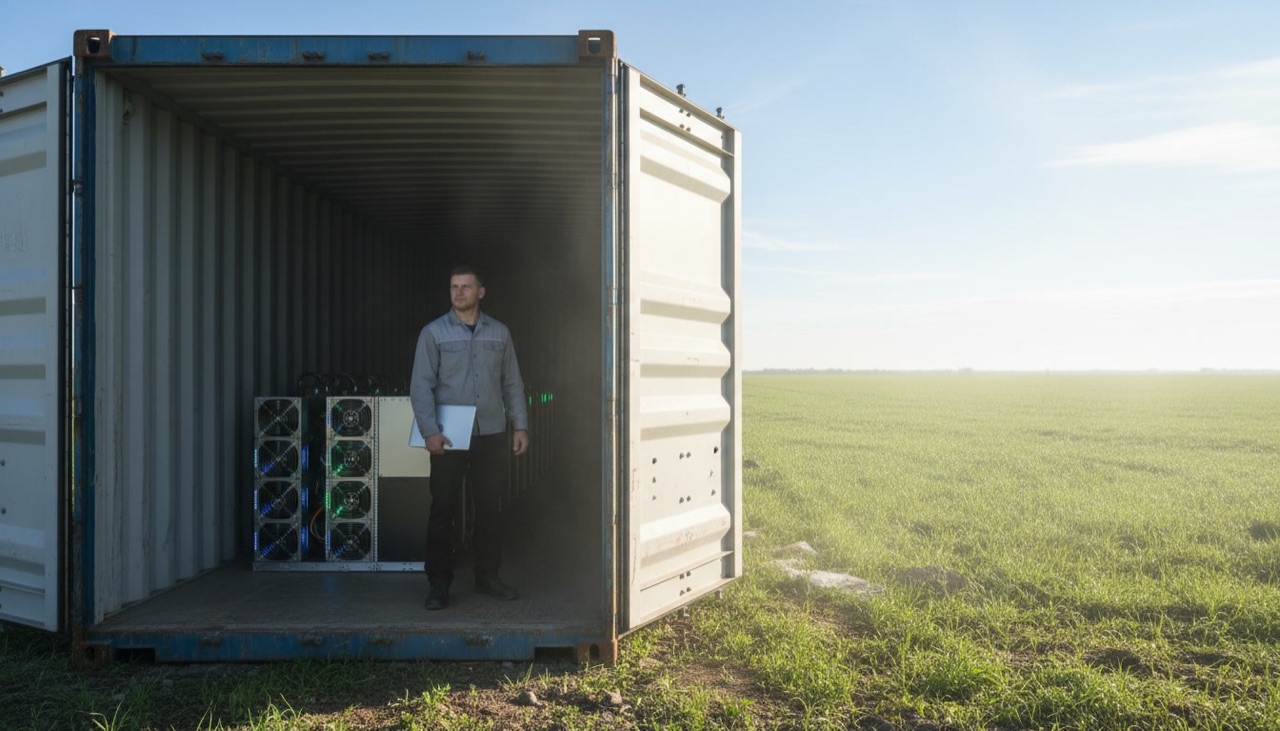
Proxy-Seller proxy types and prices from $0.49 per IPv4, refund terms, crypto payment and a comparison with Webshare, Bright Data and IPRoyal.
Bybit spot and withdrawal fees, P2P, the card and country limits. What the 2025 hack showed, and who the exchange fits.

Ready Card ordering is paused and existing cards are being deactivated. What the fees, points and countries were, and which cards to use instead.
How Foundry USA sets fees by tier, pays FPPS, and where the 0.01 BTC and 2,730 sat thresholds apply, compared with AntPool, F2Pool and OCEAN.

Tpool charges 0.9% on every coin, pays BTC on FPPS from 0.0001 BTC and covers the network fee. Payouts, KYC, risks and how it compares with Trustpool, ViaBTC and EMCD.
Which CPUs handle RandomX best, how much XMR a Ryzen 9 9950X makes per day, how SupportXMR compares with P2Pool, and how to set up XMRig step by step.
What an Antminer E11 earns on ETC at three power prices, the reward cut schedule, pools with fees and payout thresholds, and miner setup step by step.

Which kHeavyHash ASICs still pay, how much KAS a KS5 Pro and KS7 make per day, the tariff where mining turns negative and which pools to use.
One Scrypt ASIC earns LTC and DOGE at once: how merged mining works, what an Antminer L9 makes a day and which pools pay both coins.
Which Equihash ASICs still make sense, what the Z15 and Z15 Pro earn at three power tariffs, which pools accept ZEC and how to set up a miner step by step.
Which pool to point a Whatsminer M60 or M66 at: fees, payout schemes and minimum payouts side by side, how fleet size changes the threshold, and how to fill the three pool slots.

A monthly snapshot of fees, payout schemes and minimum payouts at 18 bitcoin pools, with a check date on every row.
Braiins Pool and DEMAND already offer Stratum V2 with Job Declaration, while the big pools have only joined the working group. Status table, required firmware and whether to switch today.
Trustpool's 1% fee, PPS+ scheme, payout thresholds and payout window, compared with ViaBTC, EMCD and Tpool, plus step-by-step setup.
Mining pays where power costs less than the breakeven tariff and where it is legal. Tariffs by country with dates, the S21 Pro and S21 XP breakeven at the 2026-09-21 hashprice, and the legal status in Russia and Kazakhstan.
Which BTC pools accept Russian miners without geo-blocks or mandatory KYC: fees, payout thresholds, Russian-language dashboards and ruble off-ramps. NiceHash has been unavailable since 2024-11-12.
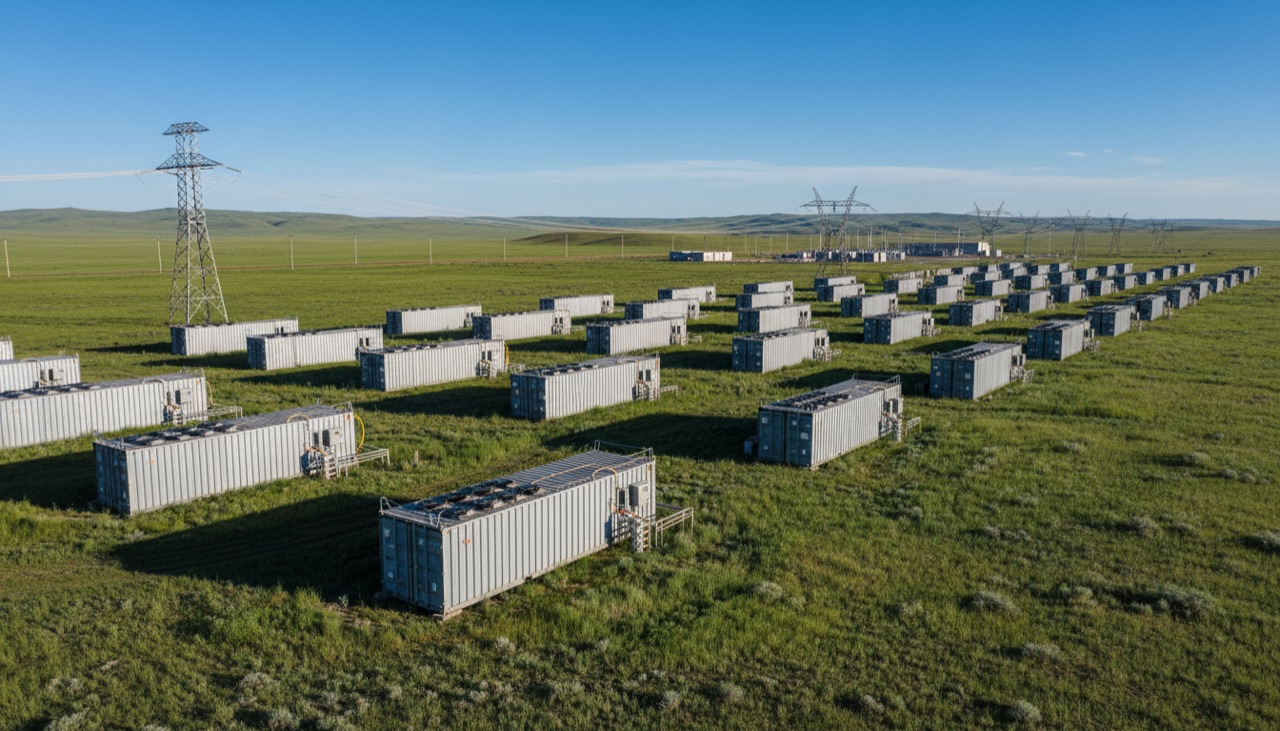
Pool comparison for Kazakhstan miners: fees from 0.9%, minimum payouts, converting BTC to tenge, KYC, server latency and the 2026 legal framework. Worked S21 Pro income at $0.04 per kWh.
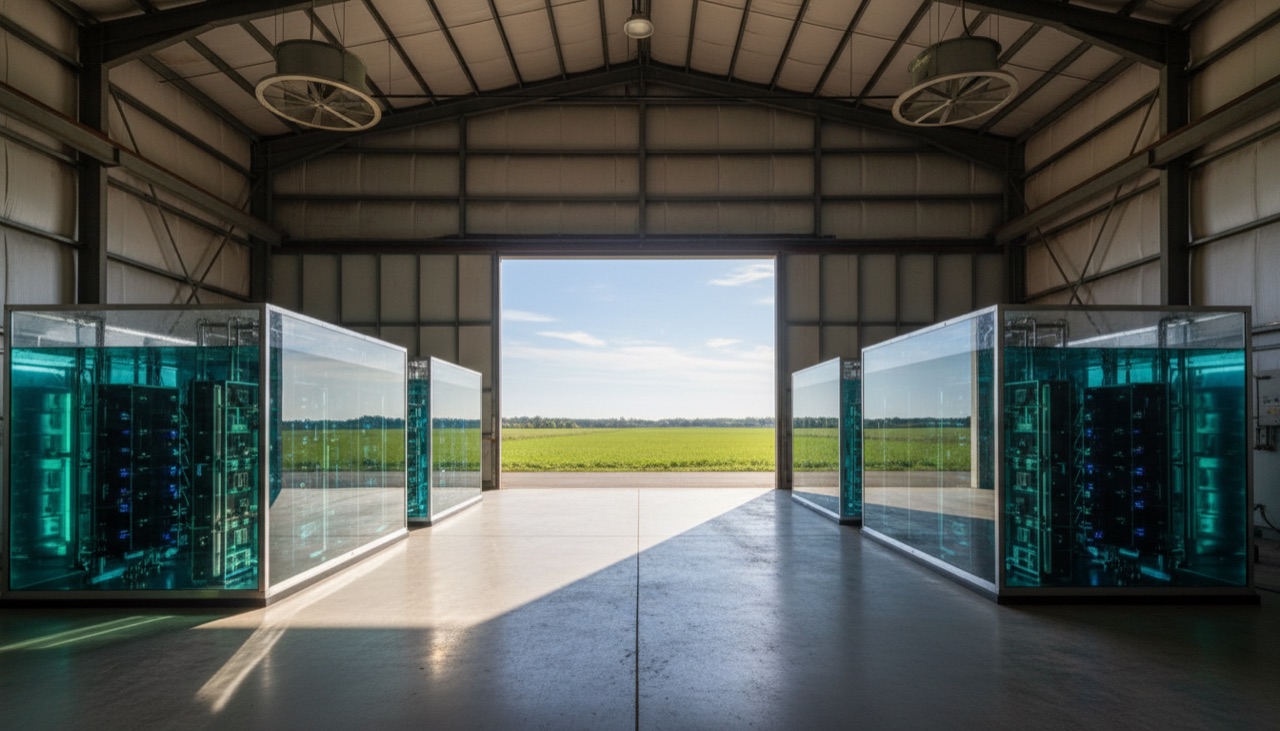
Pool comparison for the Whatsminer M66S immersion miner: how 290 TH/s, near-constant uptime and the cost of the cooling loop change the fee versus threshold math, plus setup steps.
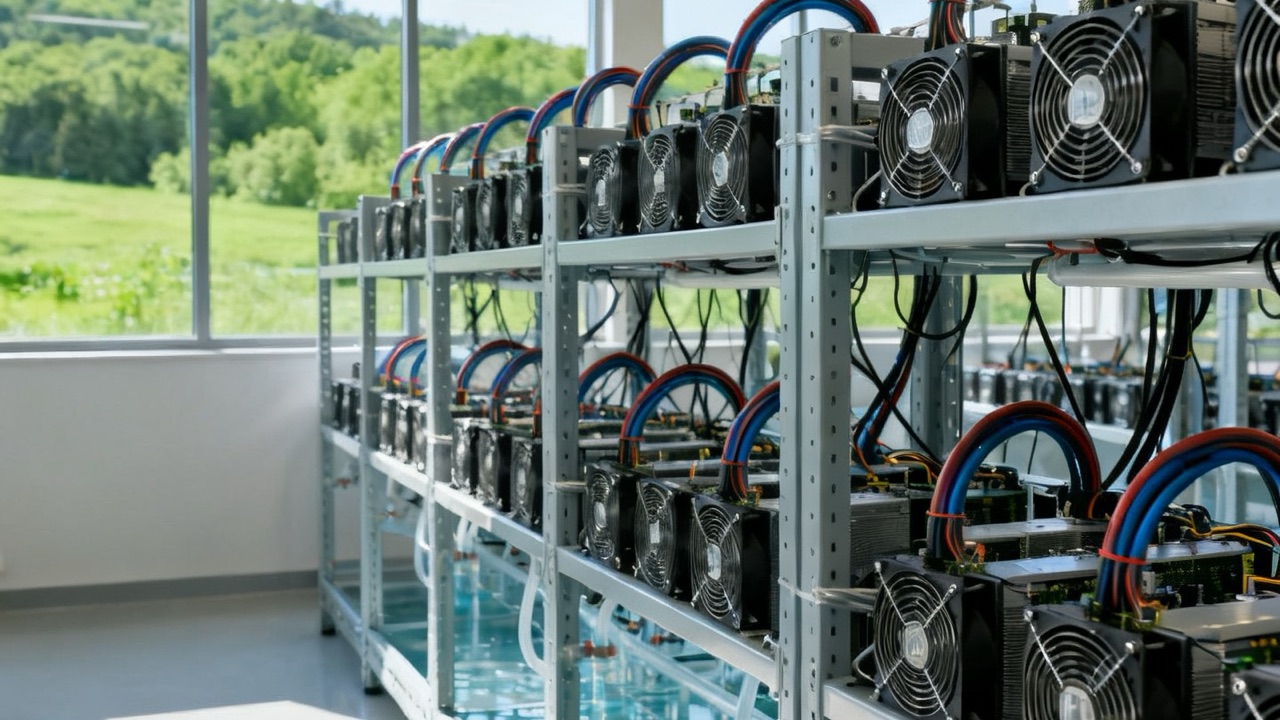
Pool comparison for the Antminer S21 Pro and S21 Hyd: fees, payout schemes, thresholds, and how liquid cooling and uptime change the choice between FPPS and PPLNS.
NiceHash pays for rented hashrate, a regular pool pays for found blocks. Fee comparison of 8 services, an Antminer S21 Pro worked example on NiceHash and Tpool, payout thresholds and who fits which.
Fees, TIDES and FPPS payouts, KYC, non-custodial payouts and DATUM Gateway. Who each pool fits, how long the first payout takes and where the verified data runs out.

Both pools charge 4% on FPPS, so the real differences are elsewhere: F2Pool's 2% PPLNS, a 0.0001 BTC vs 0.005 BTC minimum payout, supported coins and EMCD's built-in wallet.

ViaBTC charges 4% on PPS+, Trustpool charges 1%. Fees, payout schemes, the 0.001 BTC minimum payout, supported coins and who each pool suits.
Two pools compared on fees, payout model, minimum payouts and Stratum V2 support. Luxor data as of 2026-08-18, Braiins Pool as of 2026-09-28, with an FAQ and a selection guide.
Mining has been legal since 1 November 2024, but with an FNS registry, monthly reports, income tax up to 22% and regional bans, Moscow included from 15.08.2026. What the 6,000 kWh limit means for individuals and which pools are open.
A used miner is worth what its efficiency earns at your tariff. Rated W/TH for eight current models, official store prices as of 23.09.2026, the shutdown formula and an inspection checklist before you pay.

On September 11 AntPool and SpiderPool both found block 966500, and SpiderPool's 3.1389 BTC block dropped out of the chain. Who loses money on FPPS, PPLNS and SOLO, and how to check a pool block against an explorer.
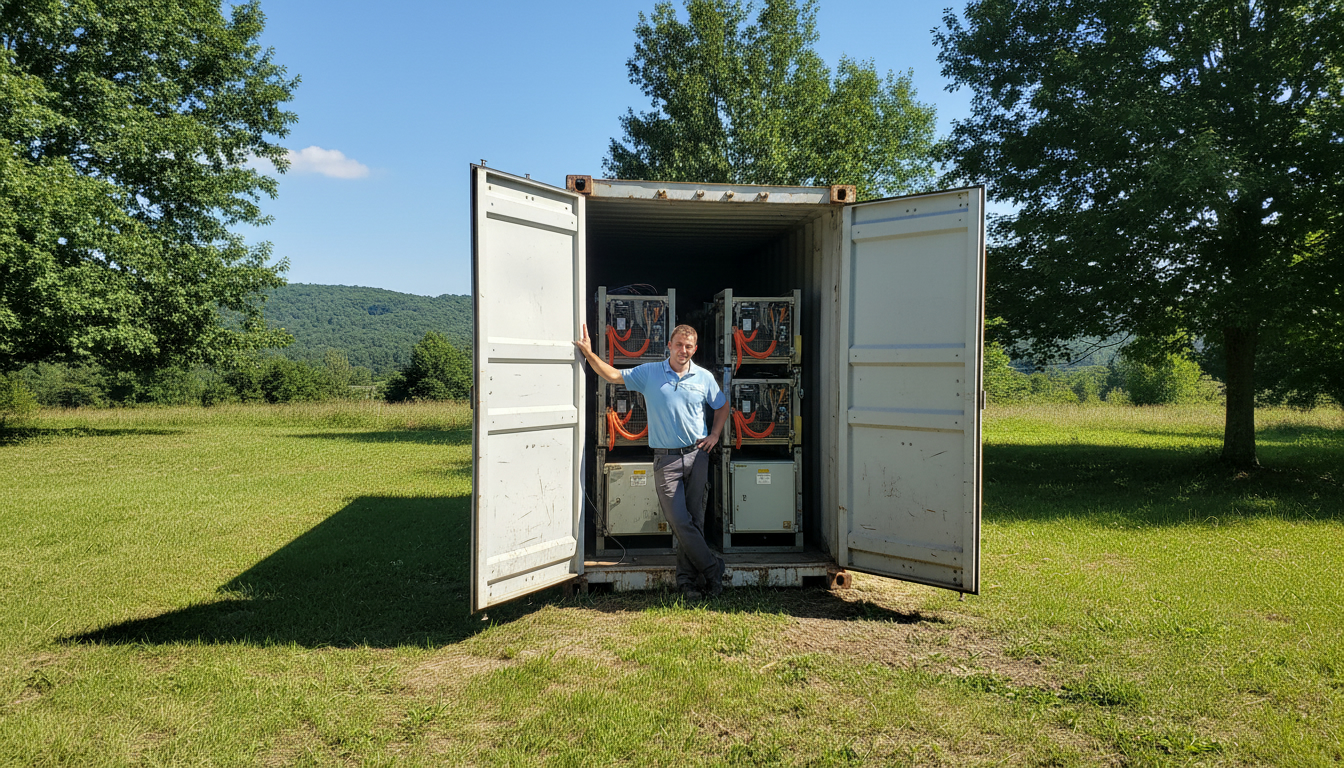
Shares, vardiff, block templates and what PPS, FPPS, PPLNS and TIDES actually do. Fees and payout thresholds at 11 pools from their official pages: 4% on FPPS and PPS+, 0 to 2% on PPLNS.

At $0.07 per kWh the Antminer S23e U2H leads with $20.87 a day. Breakeven tariffs spread from $0.090 on the T21 to $0.192 on the S23 XP Hyd., and at $0.10 two of the nineteen models are already negative.
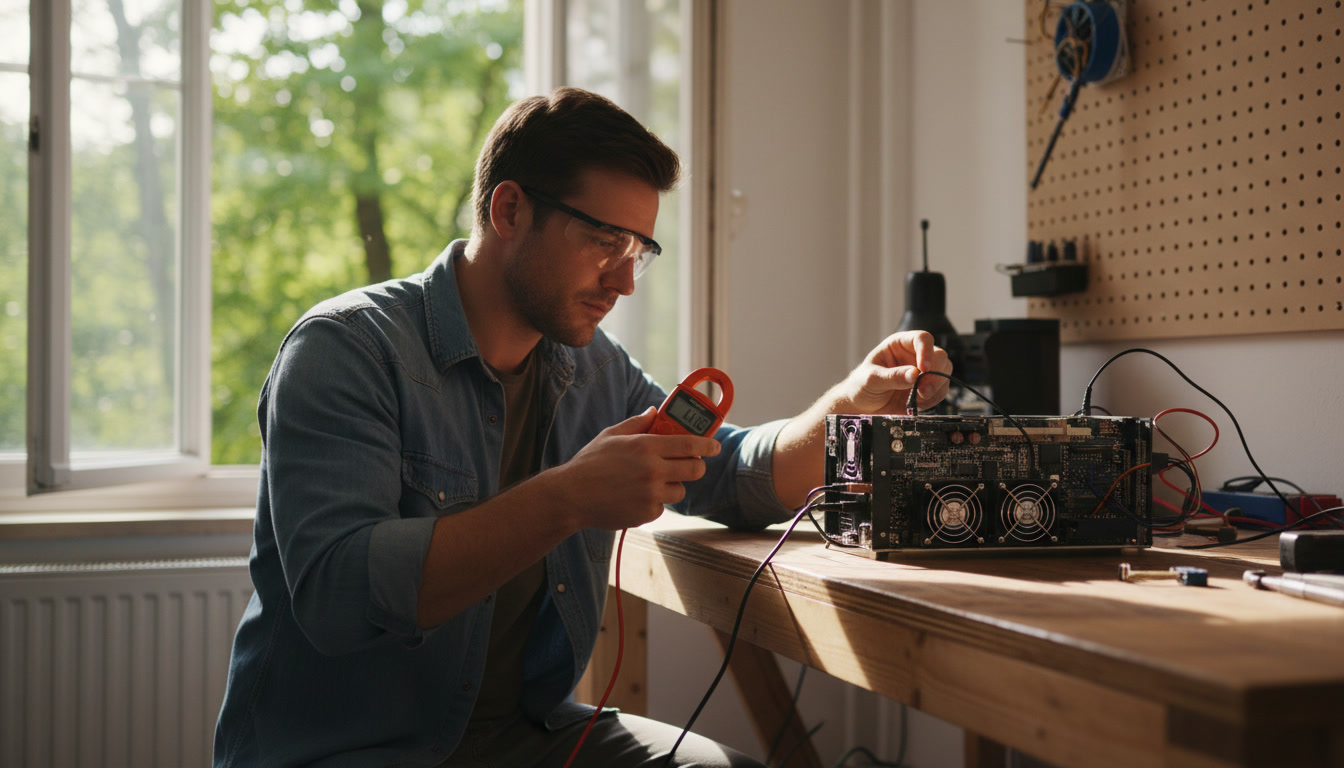
The W/TH threshold takes one line to work out: 32 W/TH at $0.05 per kWh, 8.7 at $0.18. Firmware dev fees run 1.5-3% of hashrate, claimed gains range from 2.6% to 18.7%, and all three manufacturers void warranty over third-party firmware.

Of the 16 cards checked, 5 are US only, 7 cover the EEA and UK, 4 are global-ish. Six brands run separate regional programmes under different issuing entities. Seven of sixteen name their verification vendor. A twenty-minute method for checking availability yourself.

Formula, snapshot date, payout schemes kept apart and a stated list of assumptions. Foundry USA's share runs from 24.94% to 28.48% depending on the window, so a ranking with no date cannot be verified. A twenty minute procedure for recalculating somebody else's table.
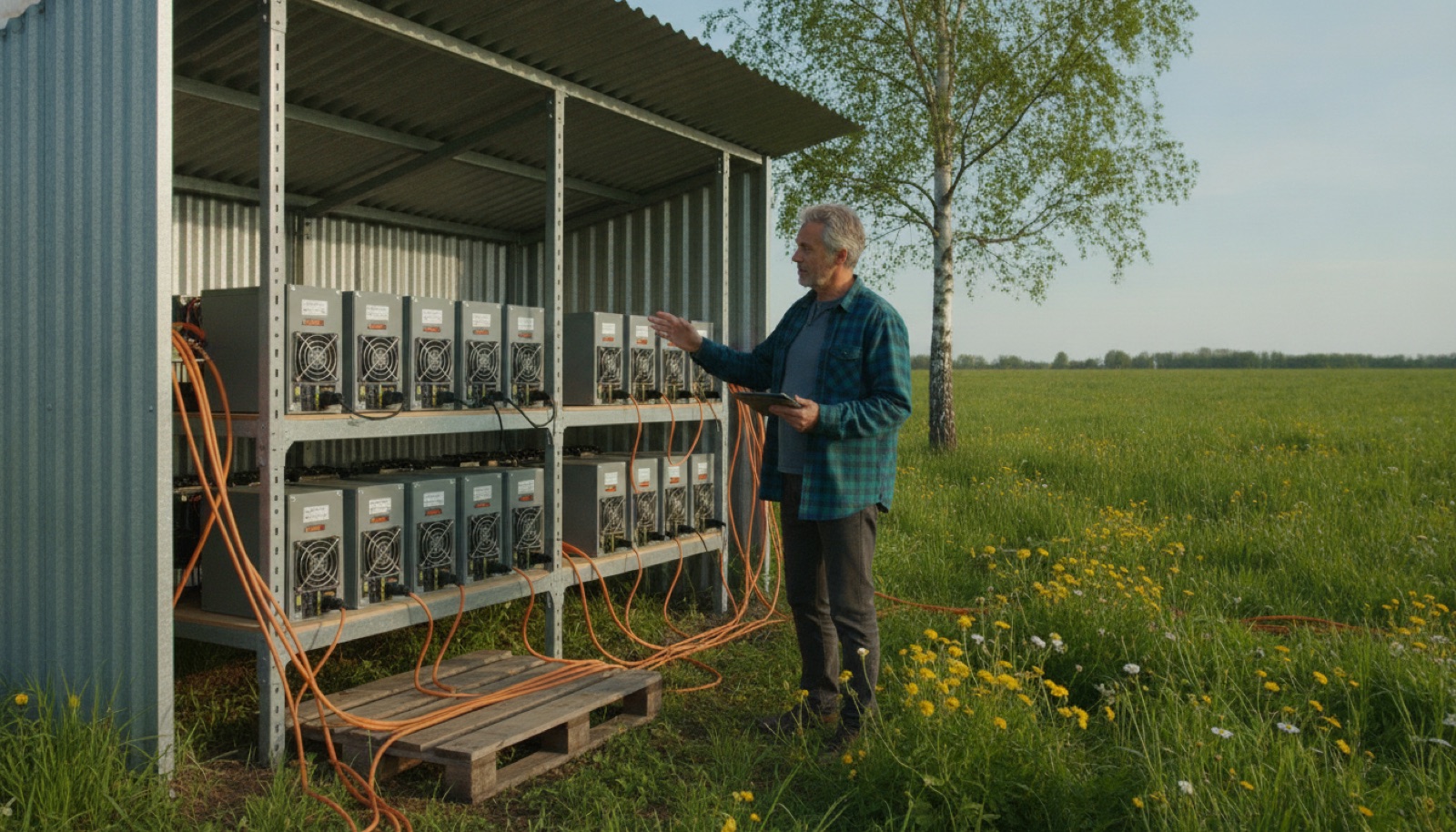
Between March and September 2026 hashprice ranged from 28.13 to 46.31 USD per PH/s per day. How to work out the tariff at which a farm should power down, and who sells hashprice forwards and futures: Luxor and Bitnomial.
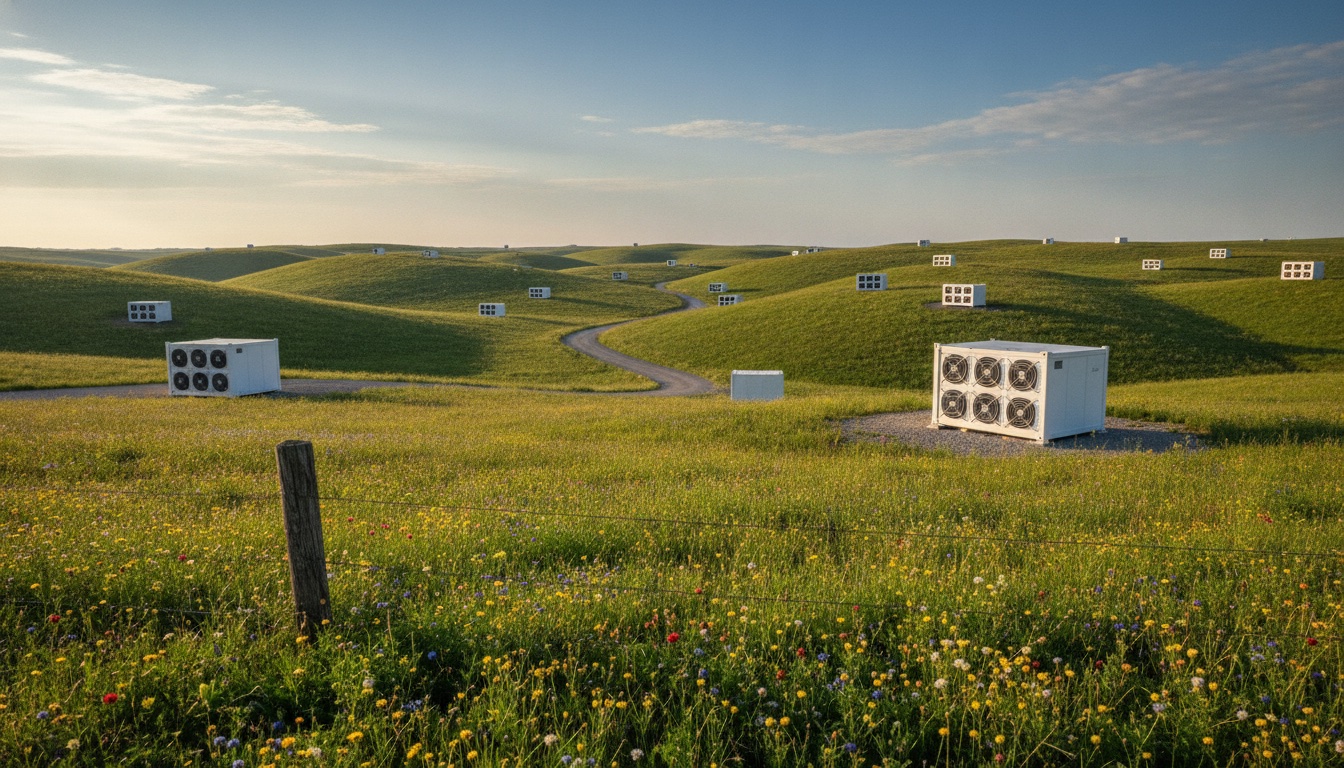
Foundry USA, AntPool and F2Pool found 59% of blocks in the 30 days to 9 September 2026. Miners can build their own templates at Ocean via DATUM and at DMND via Job Declaration. Stratum V2 status for 12 pools.
Braiins Pool pays over Lightning from 1 sat, Ocean via BOLT12, F2Pool manually from 0.0005 BTC. Threshold table, setup at each pool, wallet formats and seven common errors.
Solo miners found 15 blocks from January 1 to September 14, 2026, one of them on a Bitaxe Gamma. An S21 has about a 1.1% yearly chance: the odds and how to verify a story in an explorer.

A +4.2% retarget takes 4.03% of BTC per day at the same hashrate. How to build difficulty growth into ASIC payback, and why difficulty fell only 9.8% after the 2024 halving.

FOMO's self-custodial app on Solana, Base, BNB Chain, Ethereum and Monad: 600K+ users, $4B in volume, fees that differ between the terms and the help center, and no public audit.

Spending 0.1 BTC that arrived as 200 payouts of 0.0005 BTC costs 272,830 sat at 20 sat/vB, against 2,190 sat as a single input. A 0.0001 BTC threshold eats 13.6% of a year's output in spending fees.
Three of six providers take a single machine, rates run from $0.065 to $0.079 per kWh, and a power supply swap costs $299 at a provider whose marketing says all inclusive.
The network found 4497 blocks in a month, and any miner can recompute each pool share from the coinbase tag. What you can verify, what is unverifiable in principle, and which gap is actually worrying.
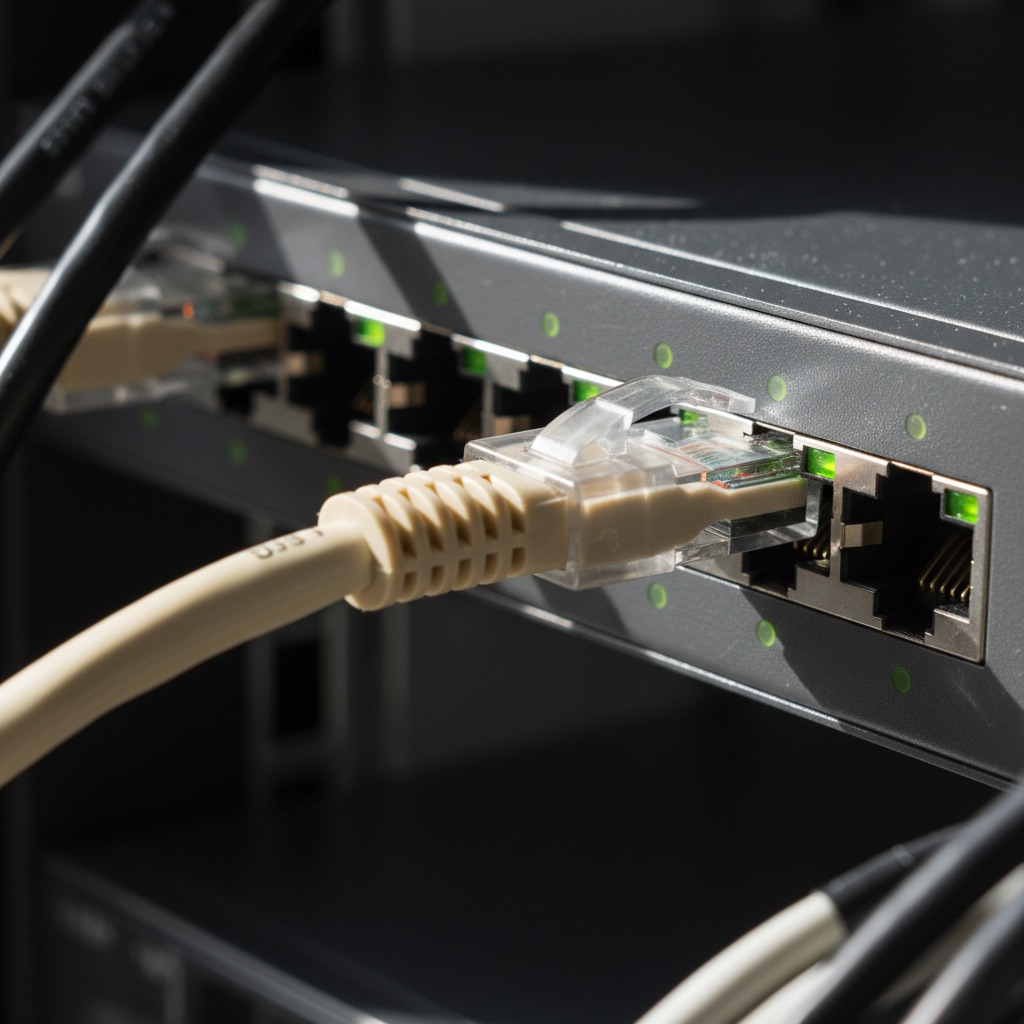
75% of hashrate joined the working group, 15-20% use the transport, and only 3-5% actually run Job Declaration, meaning miner-side transaction selection.
SBI Crypto gave about 29 days to withdraw; the Poolin case has run since 2022 with a payout near 32 cents on the dollar. No pool publishes a notice period.
AntPool marks a worker inactive after 20 minutes of silence and invalid after a full day. A nighttime outage caught 12 hours late costs about $193 on 10 PH/s.
An hour of downtime at 100 TH/s costs 16 cents; a full day on a 10 PH/s farm runs about $386. PPLNS shares do not age instantly when you fail over.
None of nine pools checked confirms xpub support, so the payout address stays static. One input at peak load costs 13,600 sats versus 68 sats when empty.

Fees, payout schemes and minimum payouts for 18 pools, each linked to its official source, plus a four-factor score instead of one headline fee number.
We added Tpool to our comparison: a 0.9% FPPS fee versus 4% at major pools, a 0.0001 BTC payout threshold. It is missing from public hashrate trackers.
A five minute check separates a pool outage from your own network and hardware. Of eight pools checked, one runs a public status page.
At 100 TH/s the FPPS vs PPS+ gap is about $0.77 a month, while pool fee spread is about $2.30. The scheme name matters least of all.
18 retargets in 2026, 8 of them up: difficulty went from 146.47T to 127.45T. The formula, and what an adjustment changes in BTC per 100 TH/s.
One terahash pays everyone the same: $0.030687 a day on our 2026-08-14 snapshot. J/TH and your tariff set the ranking, not TH/s.
On April 20, 2024, transaction fees made up 73.8-75% of the block reward. Every pool deduction that never shows up in the advertised fee.
US state electricity rates range from $0.1195 to $0.5272 per kWh, averaging $0.1834. How to find your real rate instead of the one on the bill.
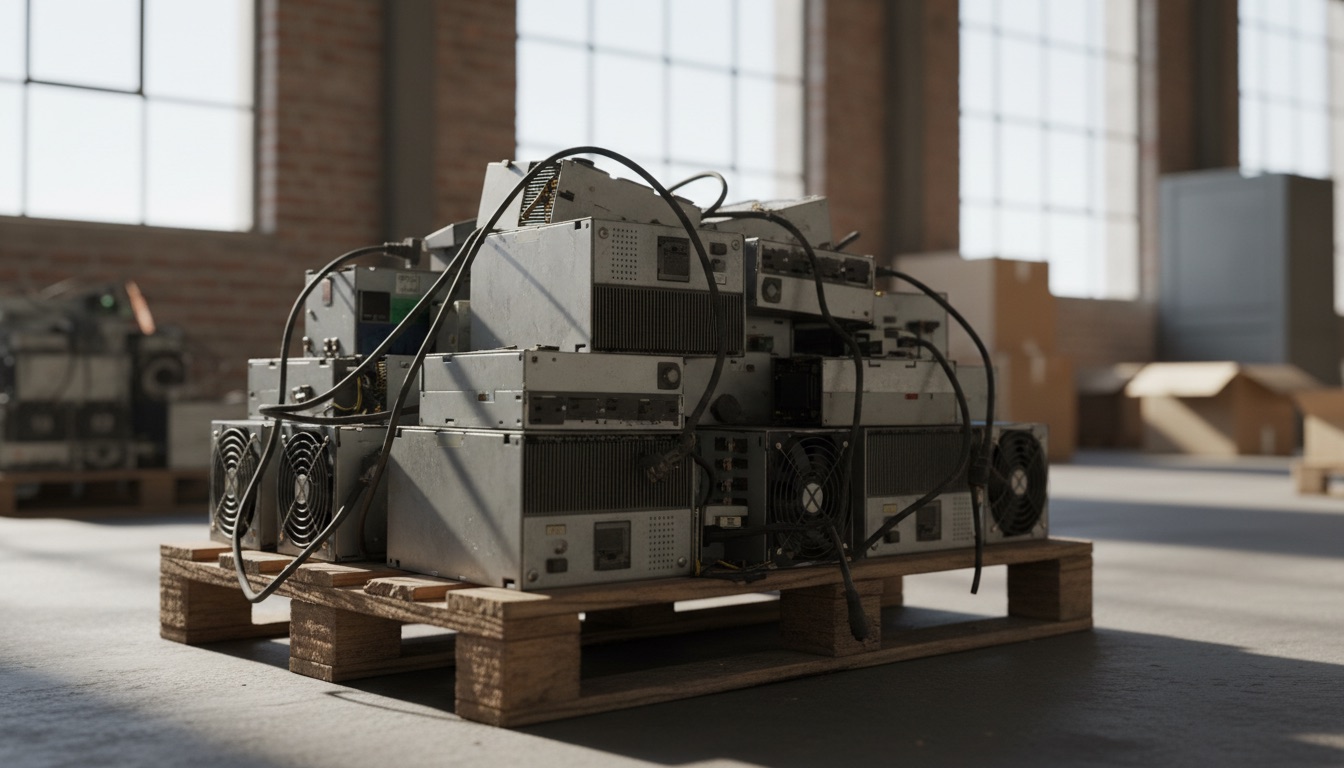
Antminer S19 XP dropped from $1,080 to $290 in a year on eBay sale medians. The method for pricing a used ASIC against its break-even point.
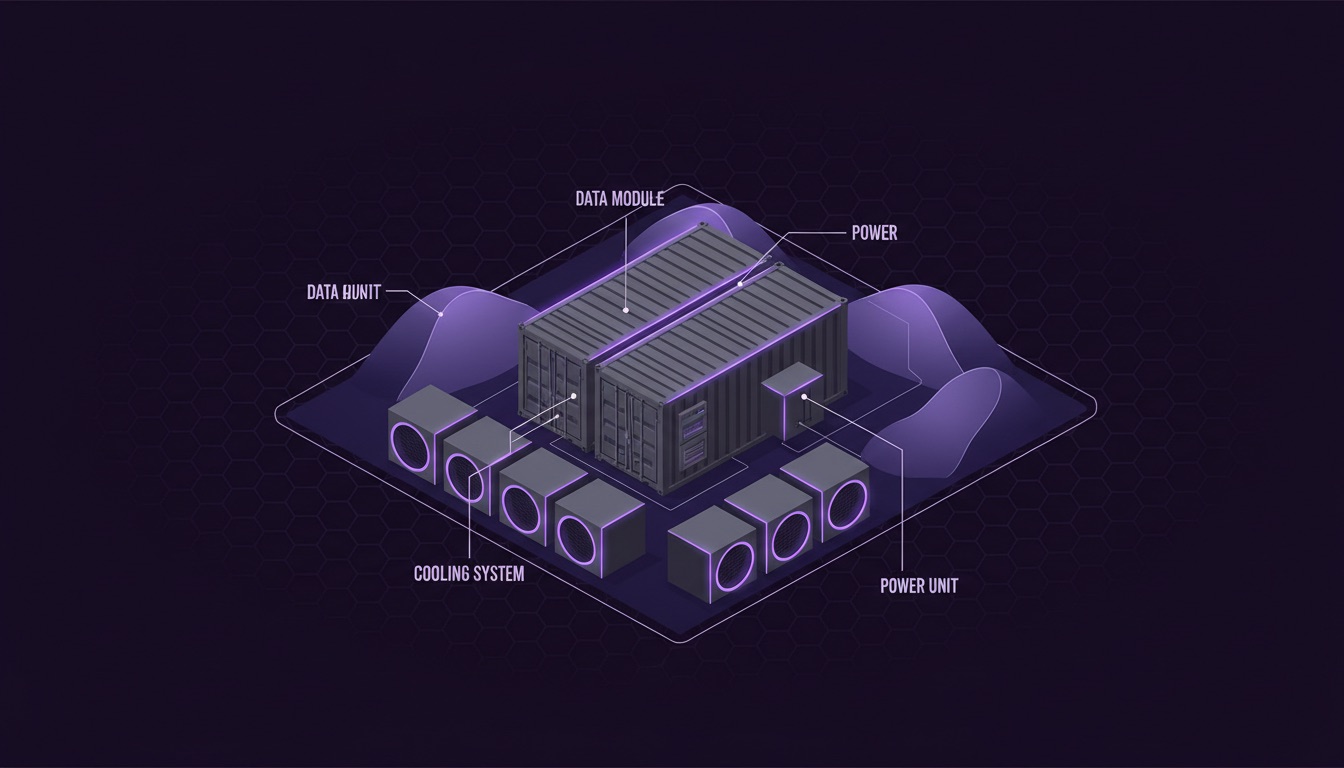
Owned by Bitmain, AntPool advertises FPPS, PPS and PPLNS but publishes neither its fee rate nor the PPLNS window size nor a minimum payout.
NASDAQ: BTDR posted $228.8M in Q2 2026 revenue against a $92.3M net loss, while self-mining hashrate grew to 73.0 EH/s from 16.5 EH/s a year earlier.
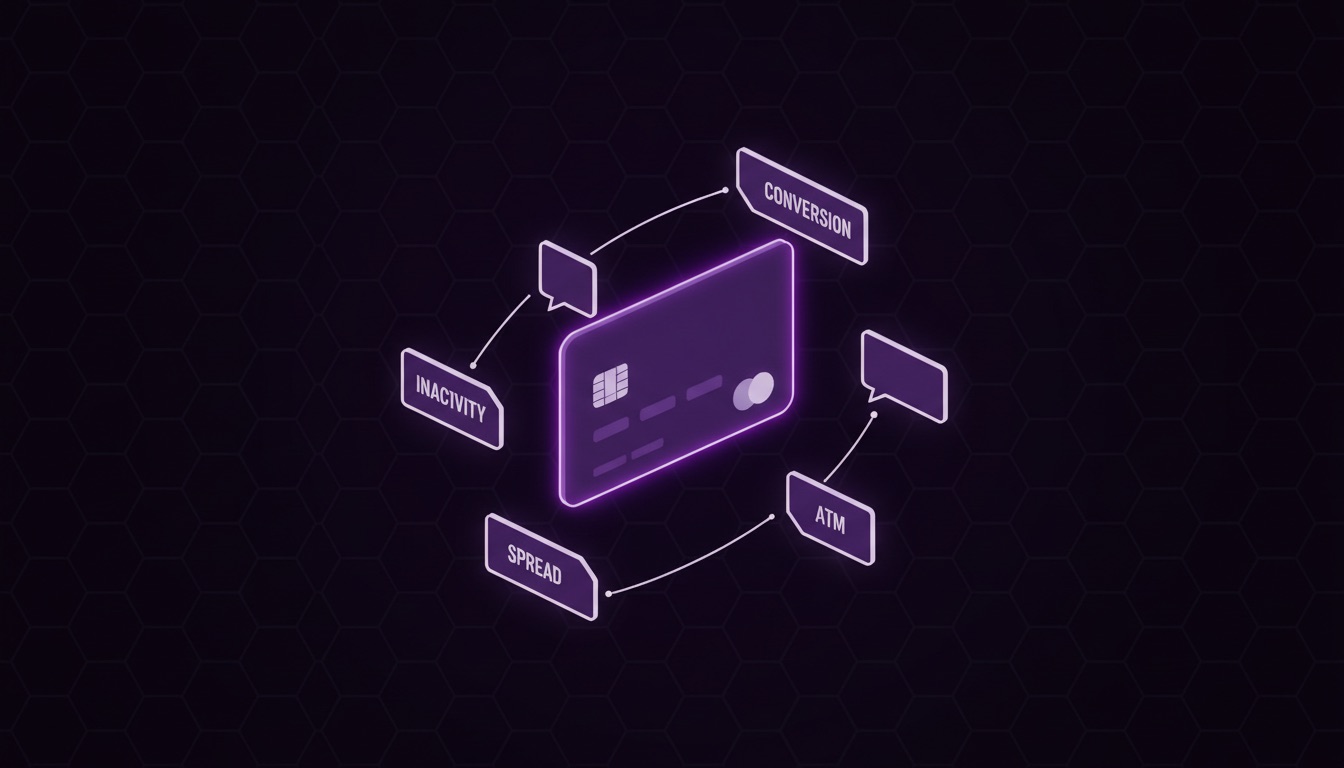
The official Pathward agreement lists $0 for every fee line, but the real cost hides in an unpublished spread and the ATM operator's own charge.
Three of the six most discussed cards aren't strictly debit, and the top rate is almost always unlocked by portfolio size or a subscription, not the card.
All-in rate versus the per-kWh sticker price: rates run $0.0364 to $0.08 and up, and one cent of difference costs about $409 a month on ten S21 units.
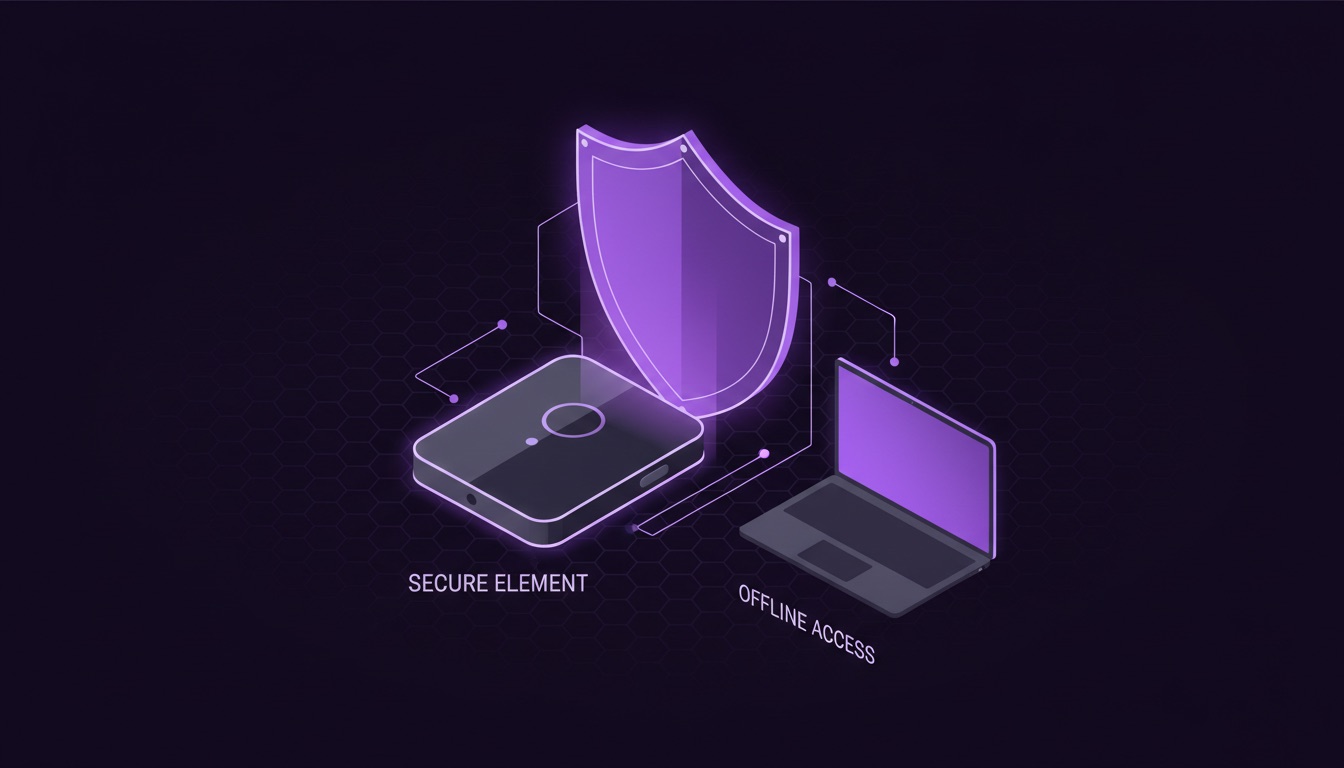
Who actually owns the coins when a pool pays to an exchange, what happens if the account gets frozen, and why deposit addresses can rotate.
What a share is, how vardiff and the Stratum protocol work, and why payouts look off the first day after switching pools.

ASIC payback is the machine price divided by daily income after electricity, and difficulty climbs every two weeks. The formula with corrections, three models at three tariffs and the used-hardware traps, on September 2026 data.

Difficulty retargets every 2016 blocks and revenue per rig falls almost one for one. The 19.09.2026 retarget (+4.16%), tables of the impact on revenue and net profit, margin leverage and a multi-retarget model.
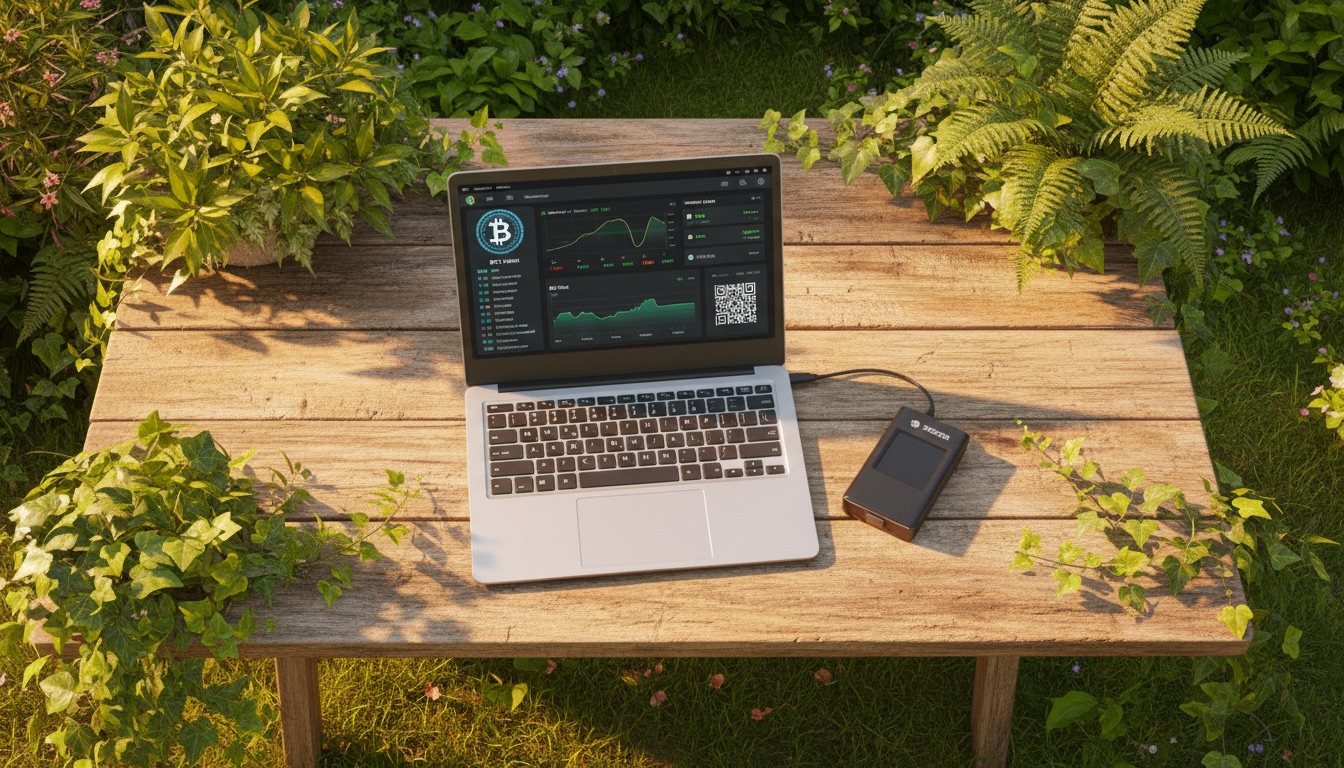
Hot and hardware wallets for frequent payouts: Taproot, Lightning, dust and the withdrawal threshold.
12 vendors from Bitmain to CIS resellers: terms, payment, warranty and an honest look at reputations.
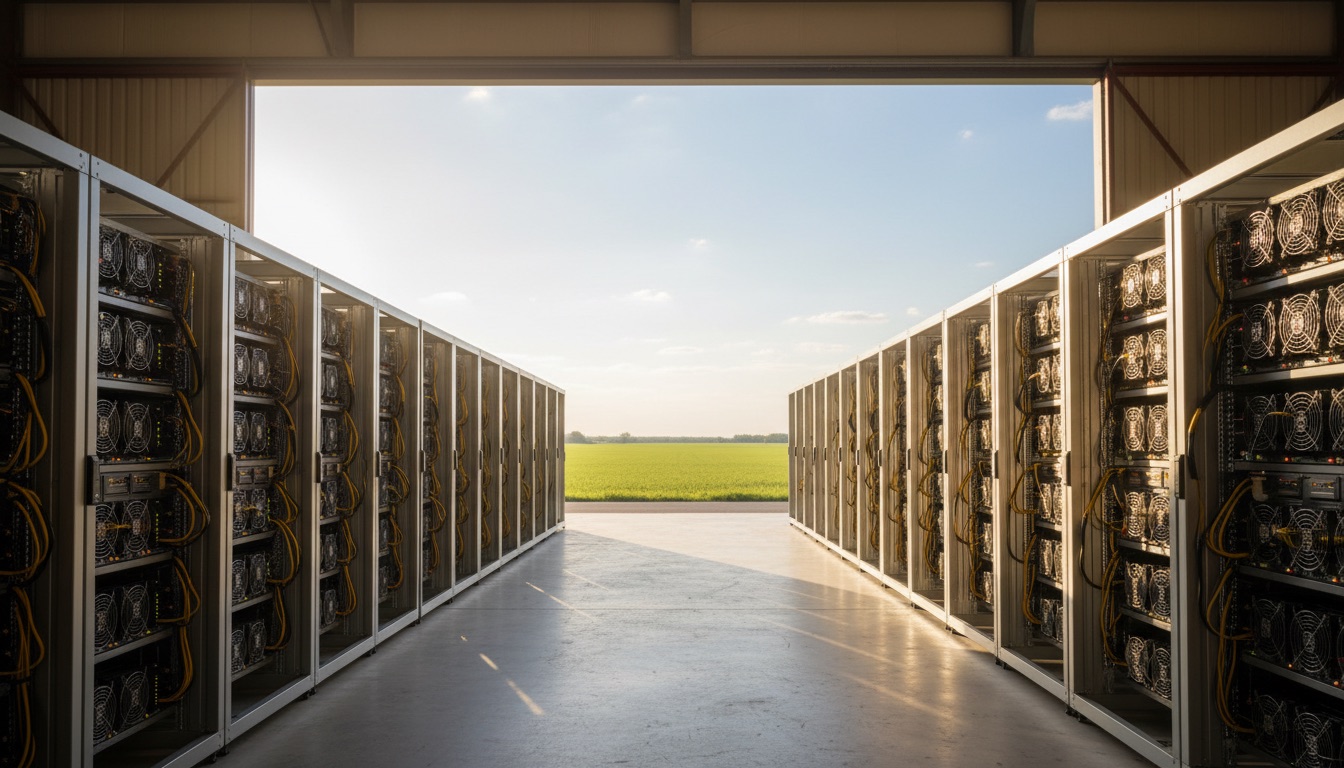
15 models by net income at three power rates: at $0.12/kWh not a single one stays profitable.
Fees, payout schemes, thresholds and custody of two pools side by side, plus what actually works in Stratum V2 and DATUM and who each pool suits.
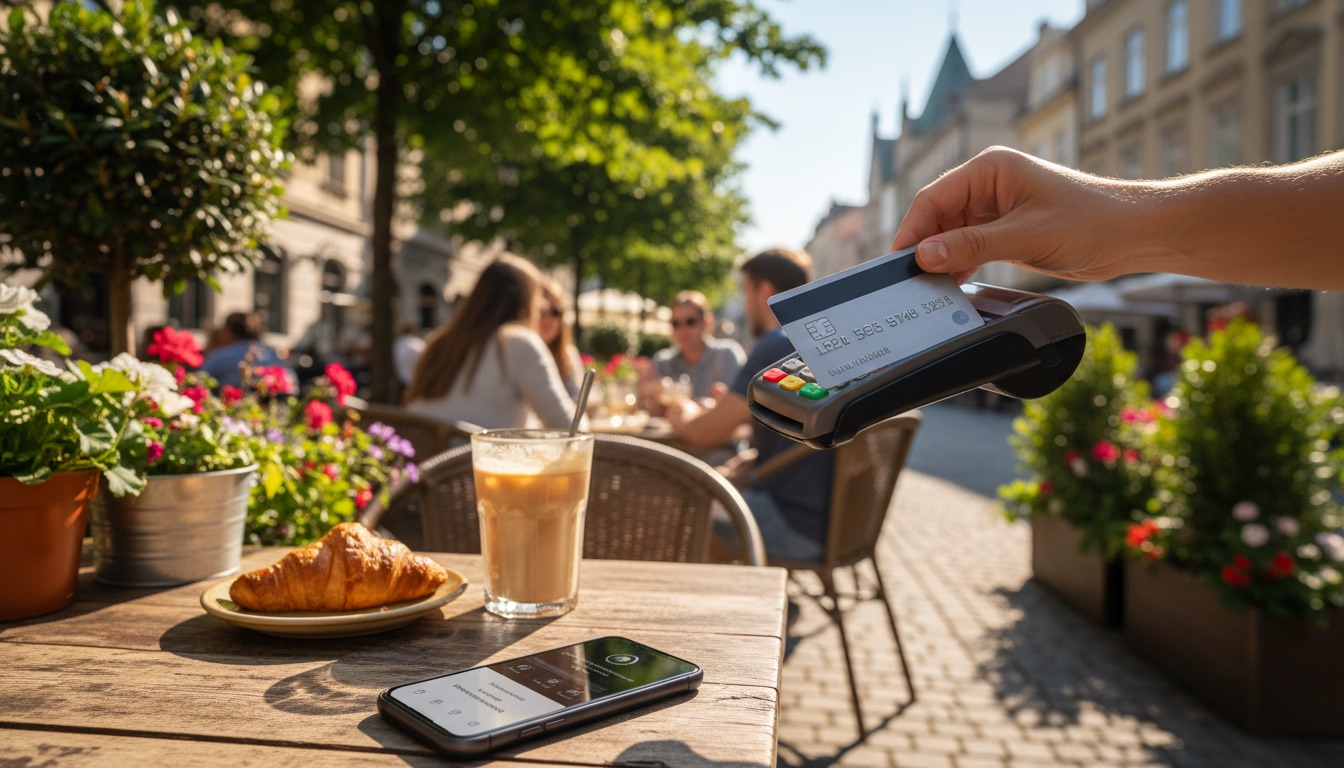
8 cards checked against official pages: 1% to 8% cashback and what the caps hide.

Five sources of error: difficulty growth, luck, stale shares, real hardware and withdrawal fees.
Payout thresholds of 12 bitcoin pools from 0.00001 to 0.01 BTC with links to each pool's page, the formula for days to payout at 100 TH/s and which threshold fits your hashrate.

PPLNS window tail, downtime and the road to a new threshold: losses in sats and how to move without them.
Step-by-step setup guide with six pools' addresses: where the URL goes, how to name workers and why three slots.
12 pools ranked by verification: who lets you in without documents and what mining to an address means.
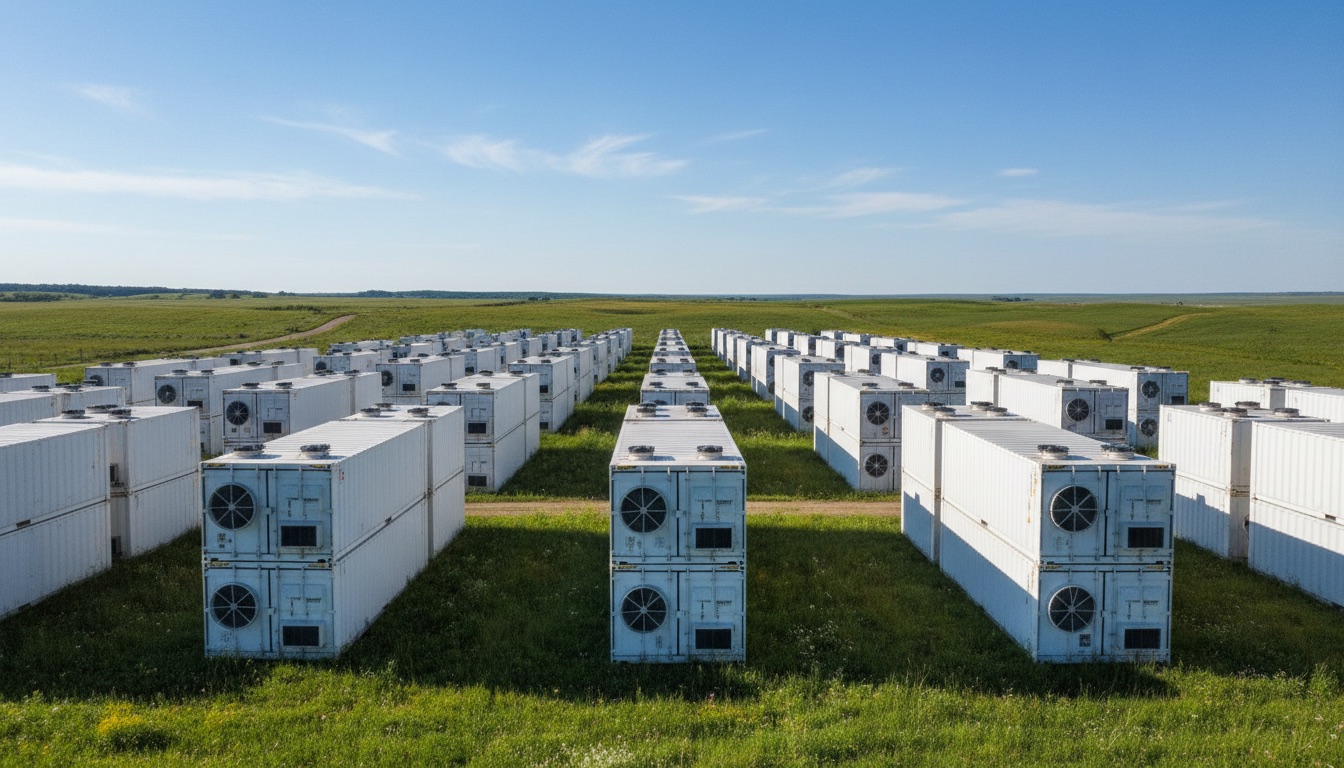
16 providers with public prices from the US to Ethiopia: what a kilowatt costs and what the rate includes.
Share, hashprice, PPLNS, orphan, luck: every pool and hardware term defined in one paragraph.
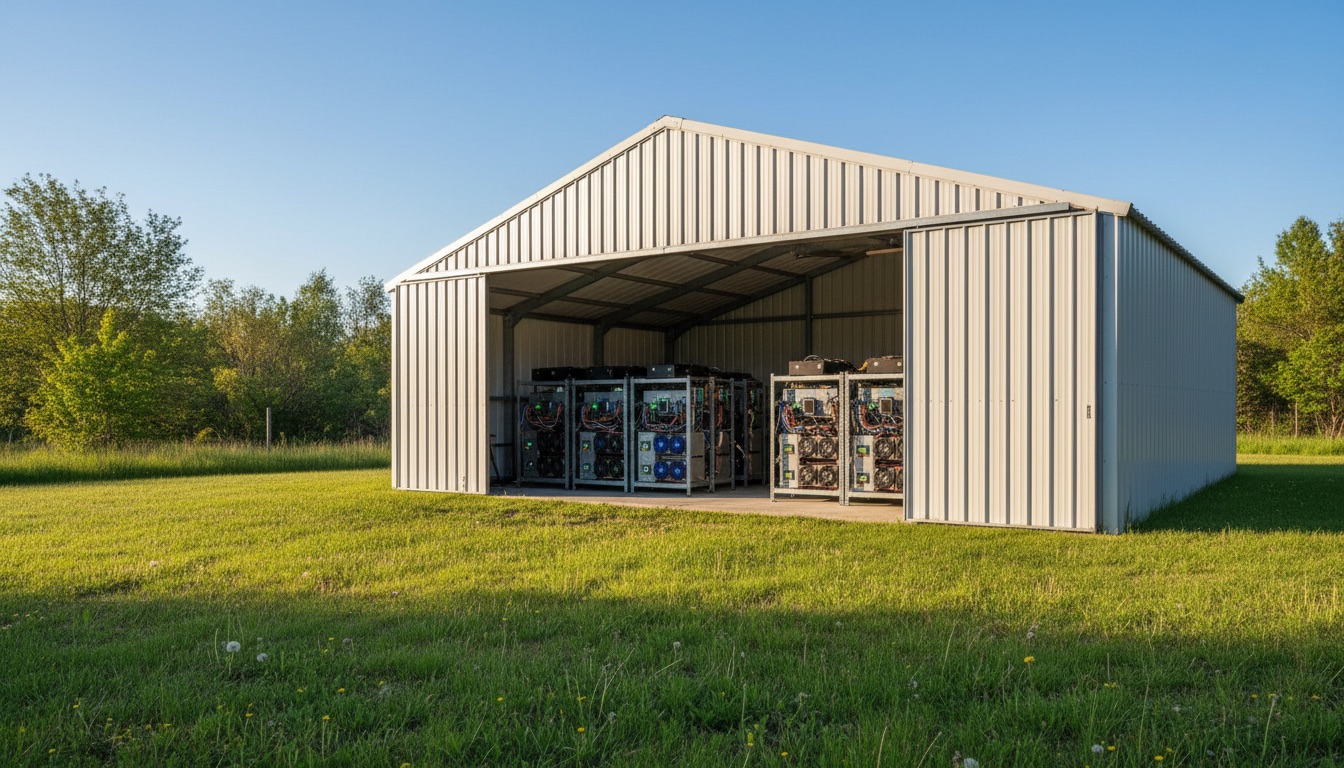
With one to five ASICs, the payout threshold and scheme matter more than the fee. Pool terms compared side by side, from the official pages.
Who pays for bad luck: how the schemes differ, what they do to income stability and which one fits your hashrate.

August 2026 edition: net daily income for 100 TH/s and 1 PH/s across 12 pools, minus electricity.

Network difficulty, hashprice, effective hashrate, downtime, and pool luck - five causes of declining reward.
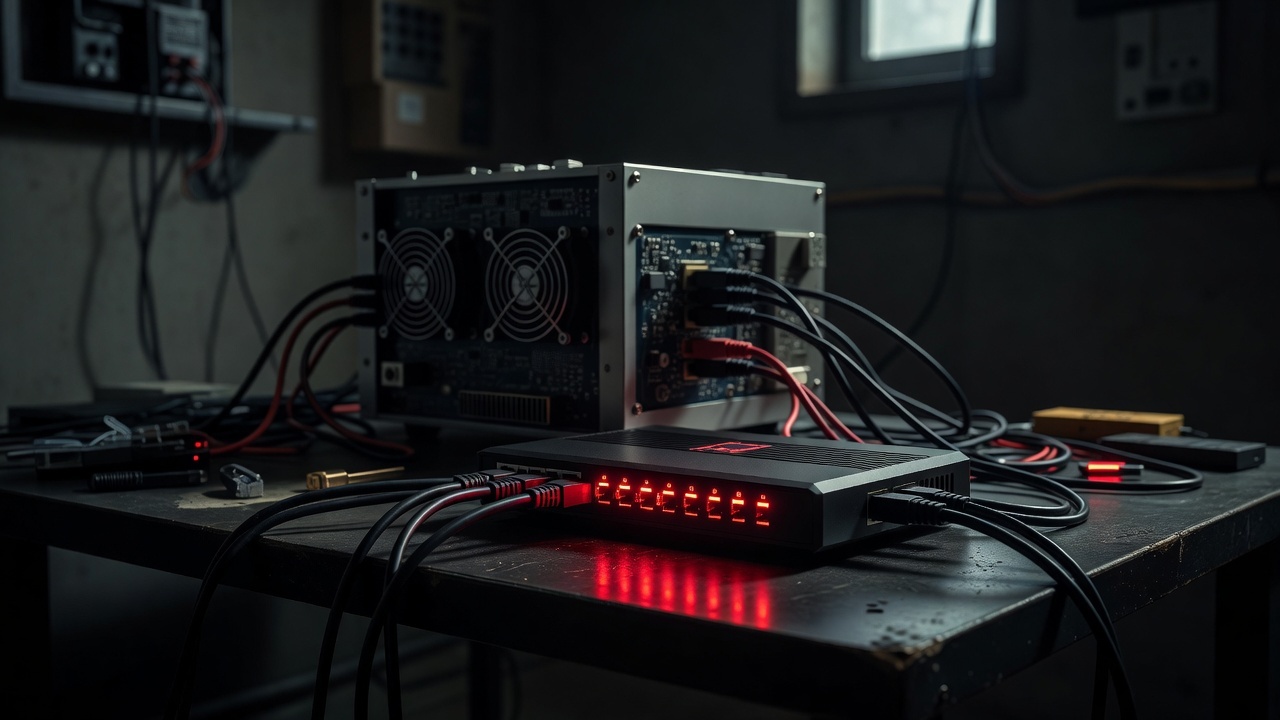
Signs of a block and how to work around router or ISP restrictions when connecting to a pool.
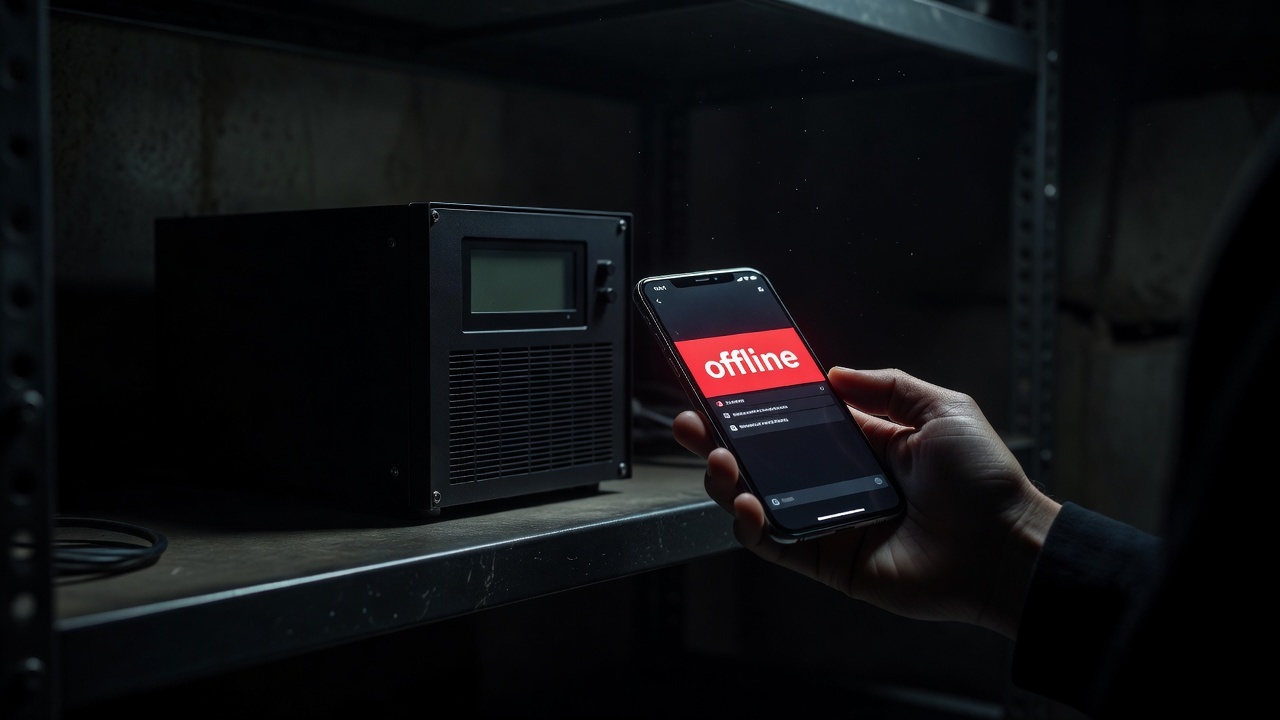
Diagnostic order from power to firmware when your miner vanishes from pool stats.
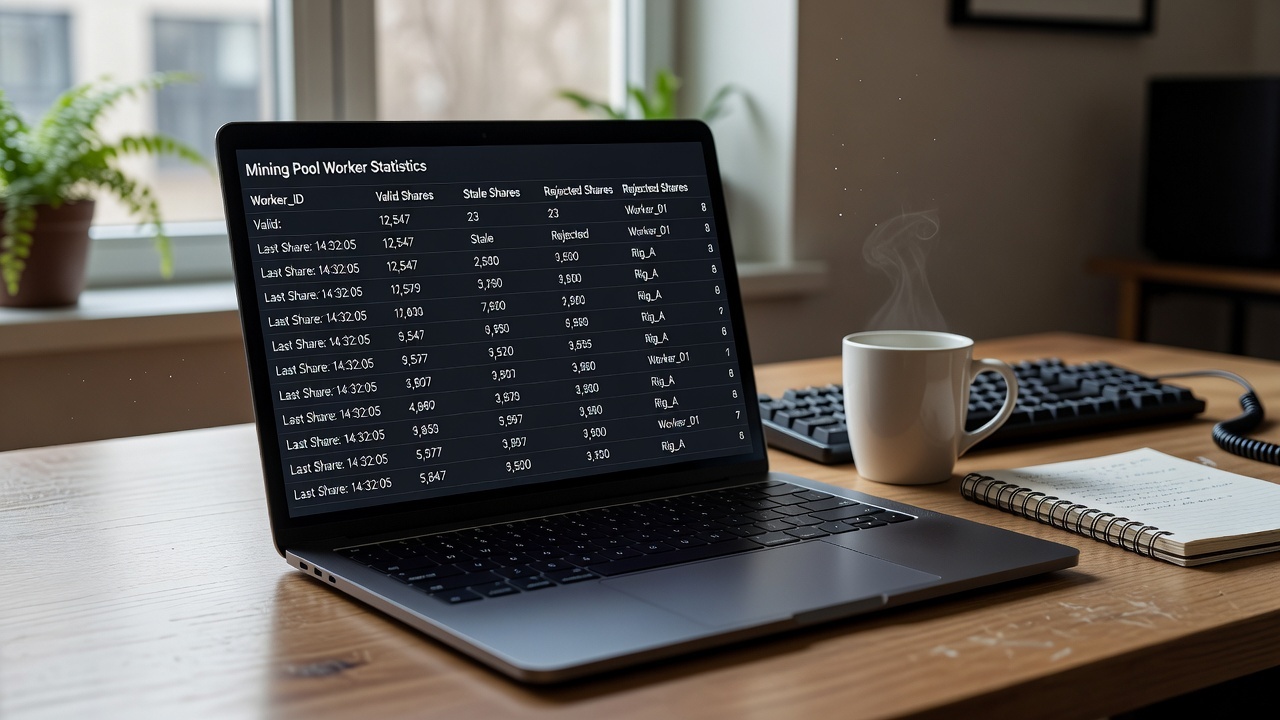
Causes of rejected shares and how to diagnose the problem - from chip temperature to power supply.
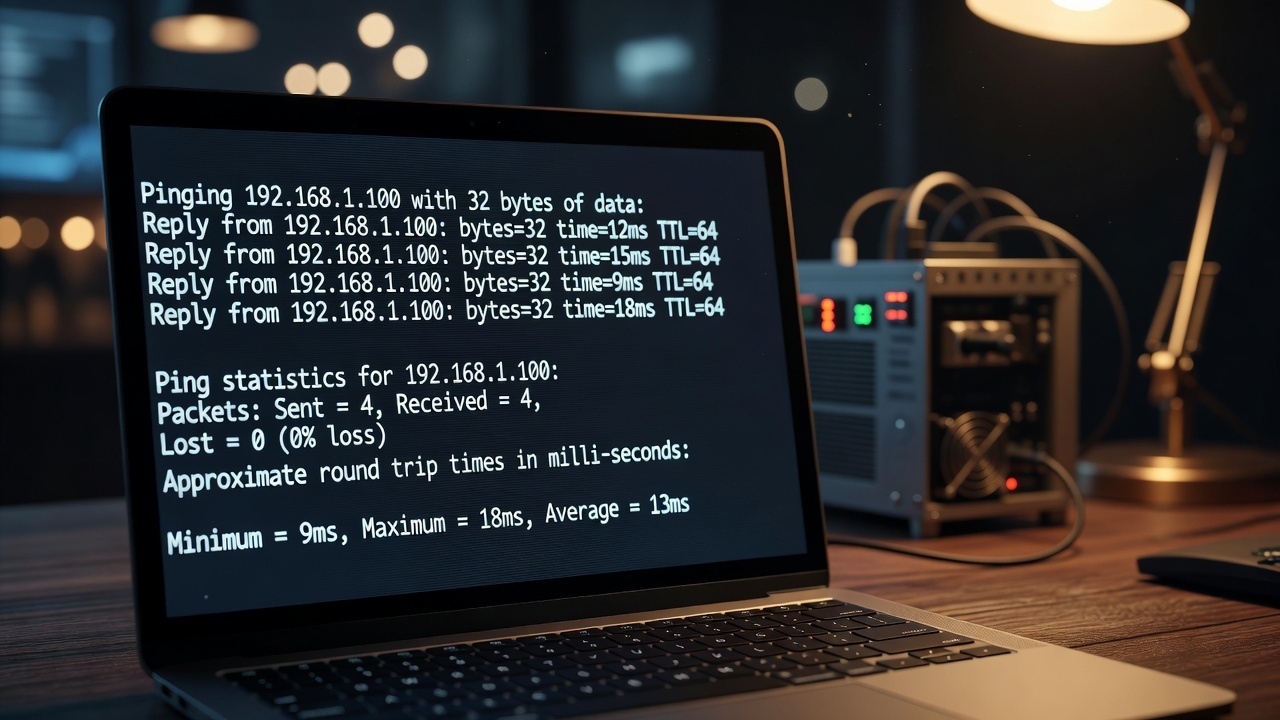
How to pick the nearest pool server and reduce stale shares caused by connection latency.
Rate ranges by region, what's included in hosting versus billed separately, and what to check when choosing a provider.
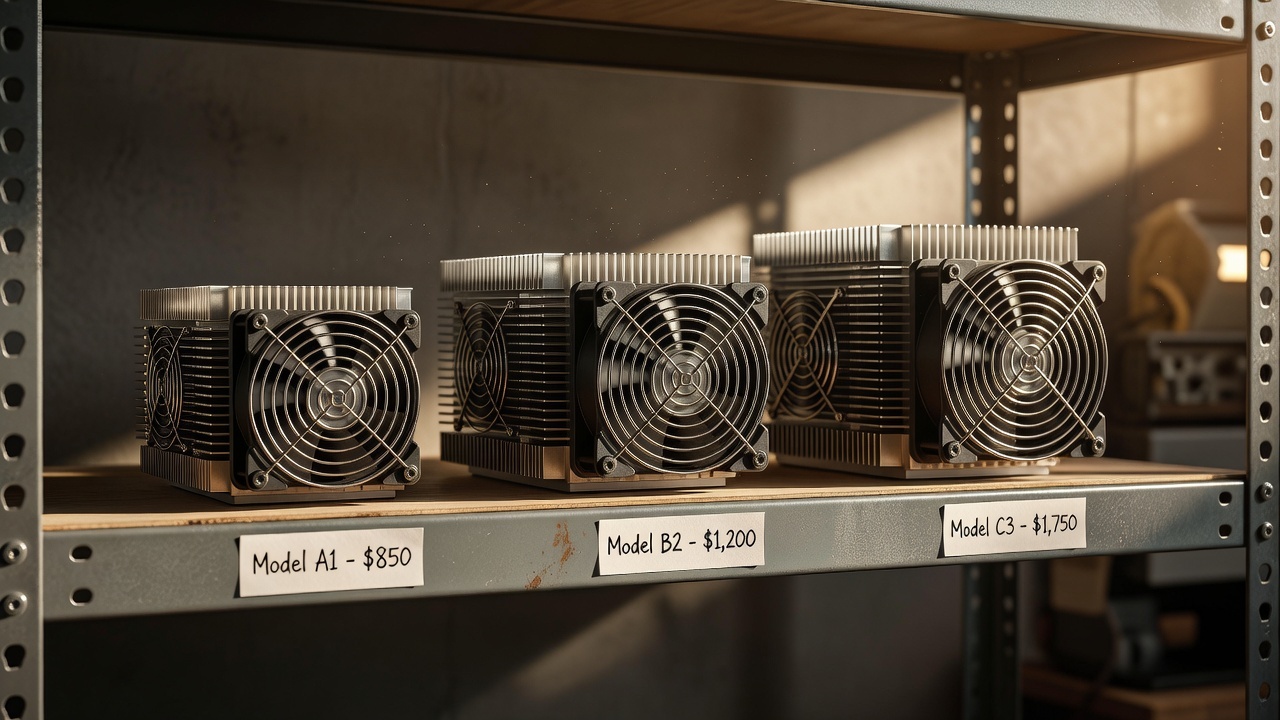
Breakeven point and payback period for three ASIC models across different electricity tariffs.
PPS+, PPLNS, or SOLO - ViaBTC lets you pick a scheme for your risk profile. We break down fees and who each suits.
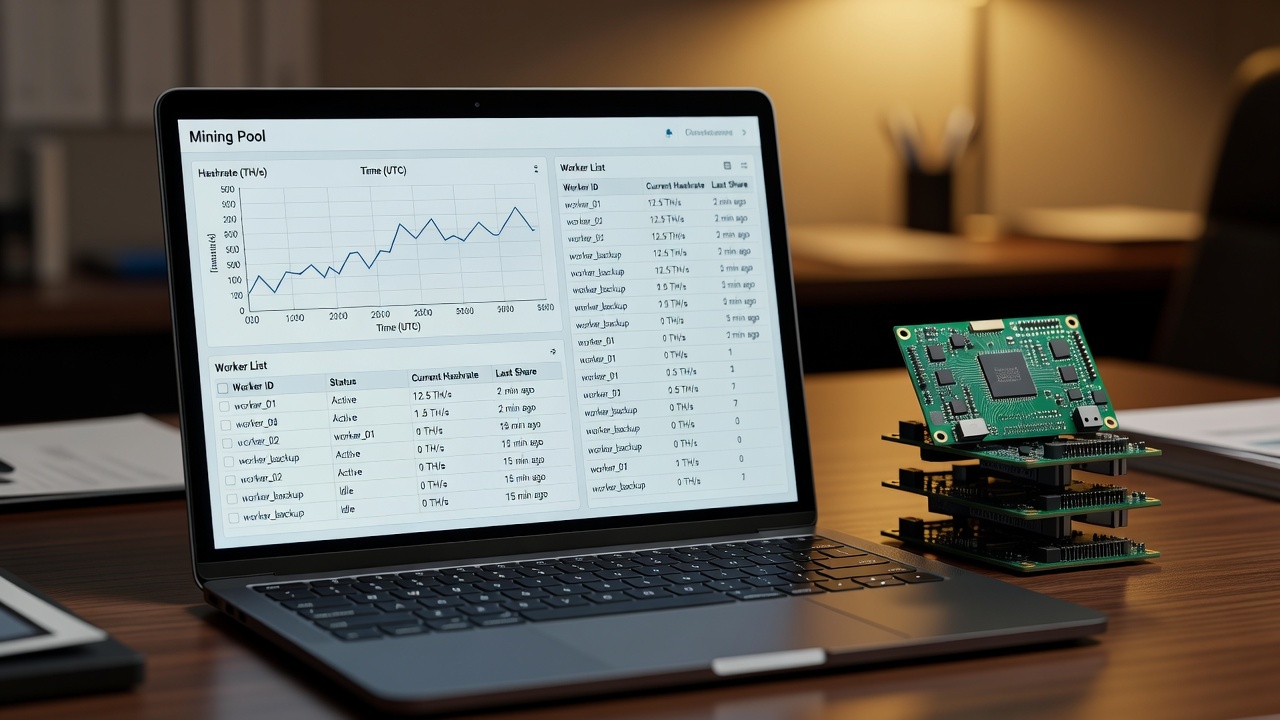
One of the oldest pools with Russian-language support. We break down the fee, payout scheme, and who F2Pool suits.
We calculate in BTC and USD how much 100 TH/s and 1 PH/s earn across six pools after fees and electricity.
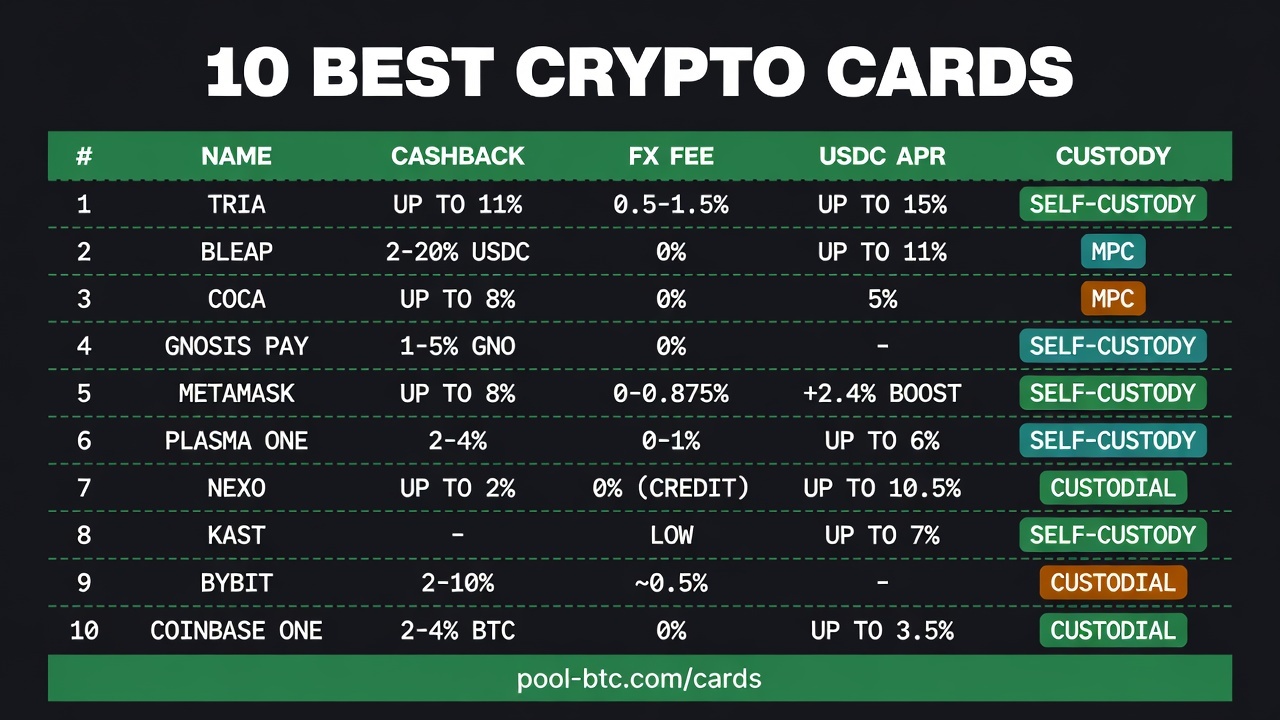
12 Bitcoin pools in one table: fee, payout scheme, minimum payout. Which pool fits a Bitaxe, a single ASIC and a farm.
Who selects the transactions in your block - you or the pool? We break down Stratum V2: encryption, Job Declaration, and why it shifts the balance of power.
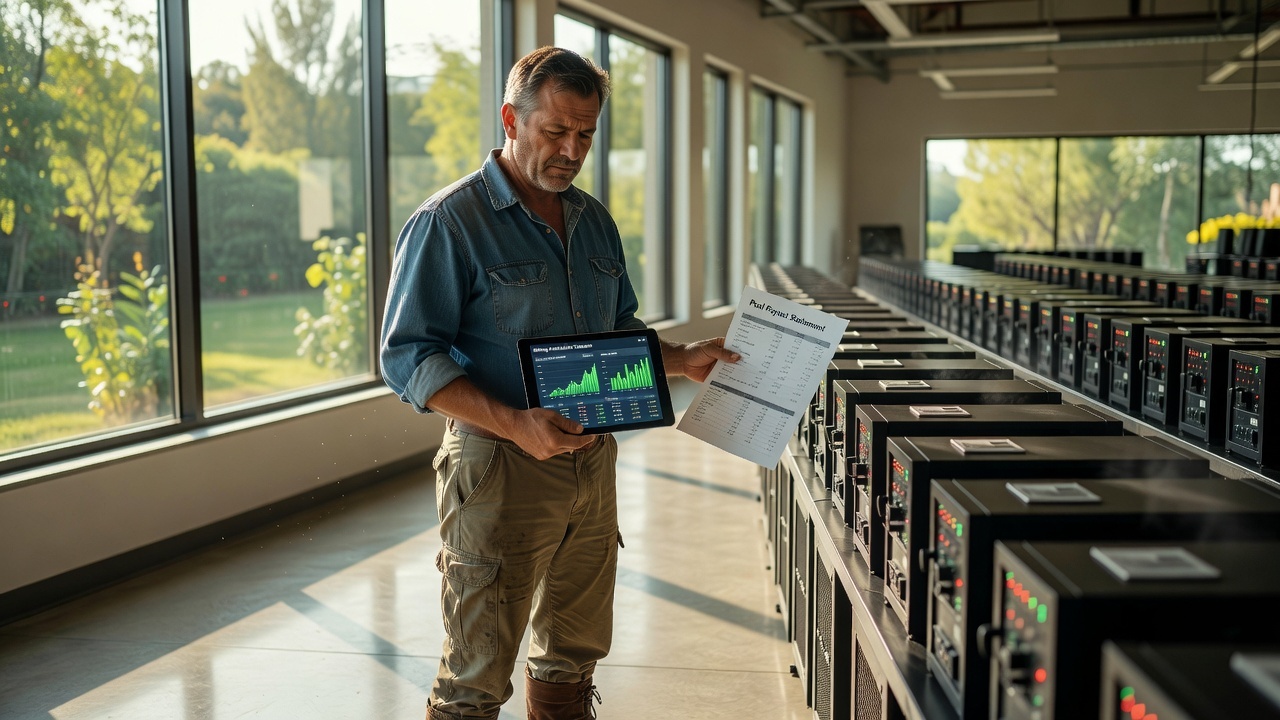
A calculator models a perfect day. We trace the 3-10% gap layer by layer: real pool fees, stale shares, downtime and difficulty.

Network difficulty is down 18.5% from its peak but rose for the first time on August 8 after nine straight drops. How retargets affect payouts and the PPS vs. PPLNS choice.
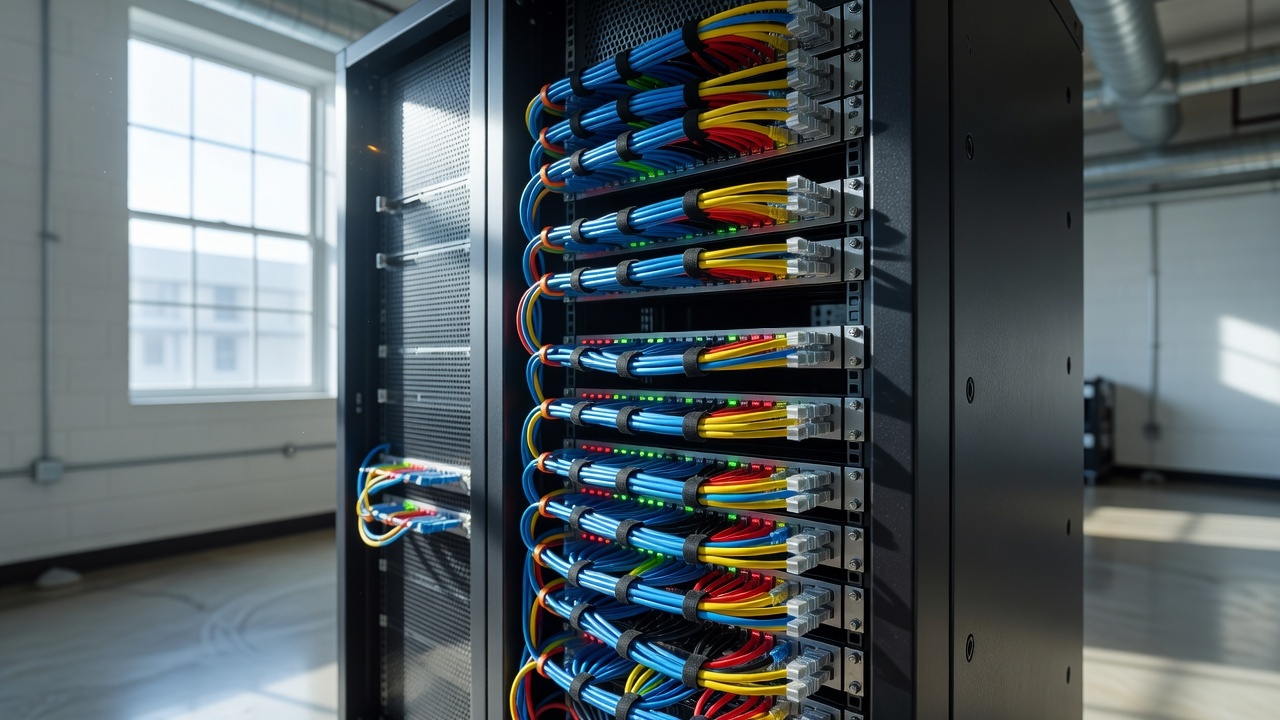
Some OCEAN miners mined the BIP-110 fork chain for 18 hours without consent. What it means for pool choice and what to check before connecting.
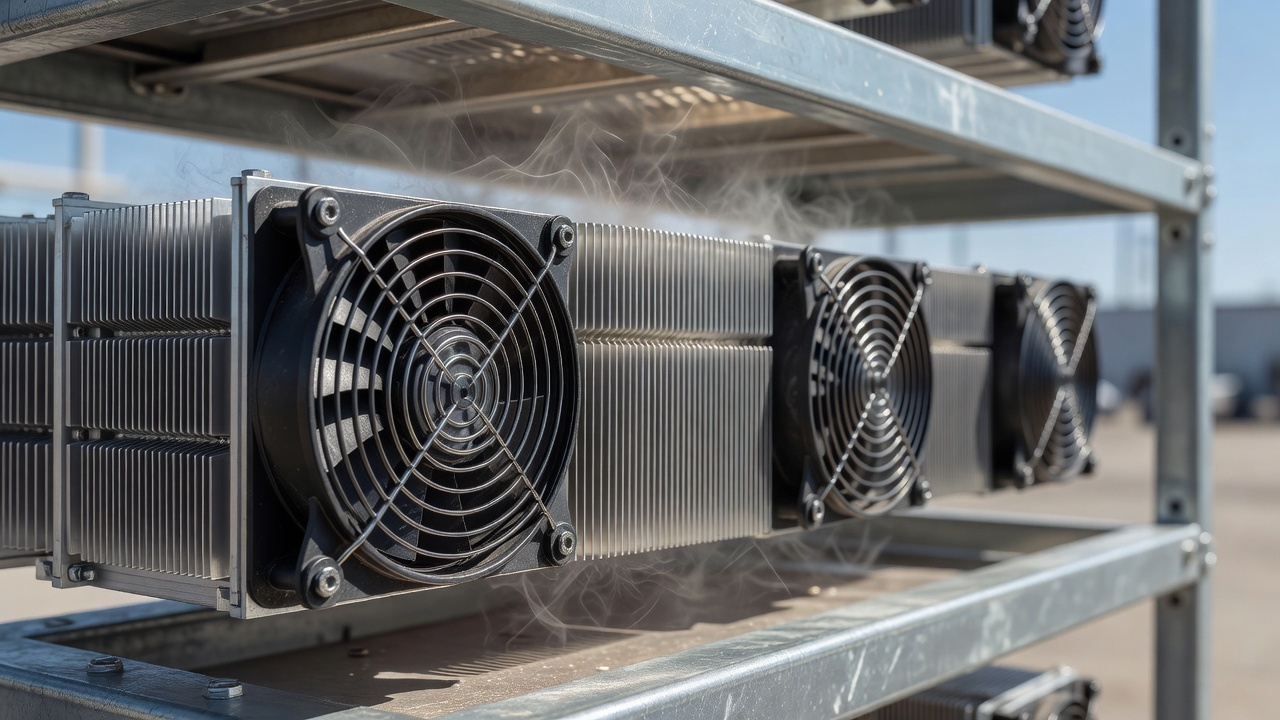
22.7% of tracked ASIC models are already mining at a loss. How to work out your machine's shutdown price from three variables: efficiency, electricity rate, and pool fee.
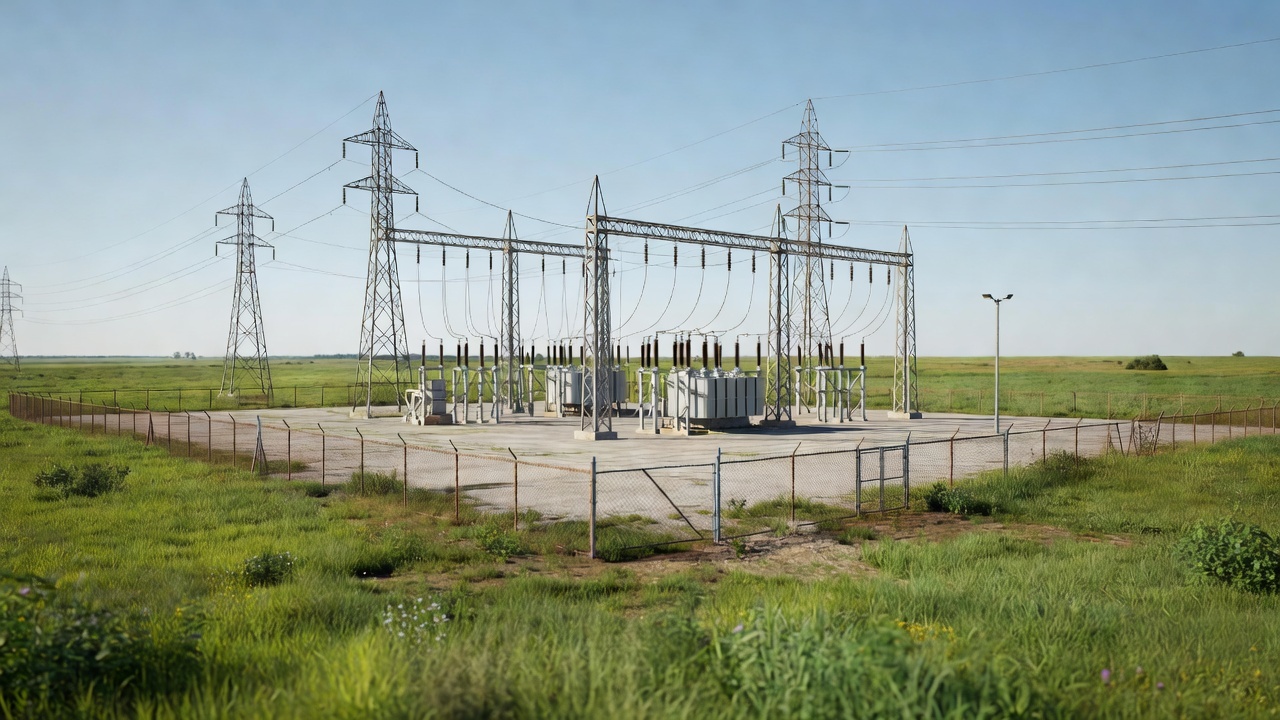
Decree No. 936 bans mining and pool participation in Moscow, the Moscow Region and nine Kursk districts through 2032. Where to relocate hardware and how to pick a pool after the move.
Every pool payout scheme in one reference: PPS, FPPS, PPS+, PPLNS, SOLO, TIDES and more - who carries the risk and which one fits you.
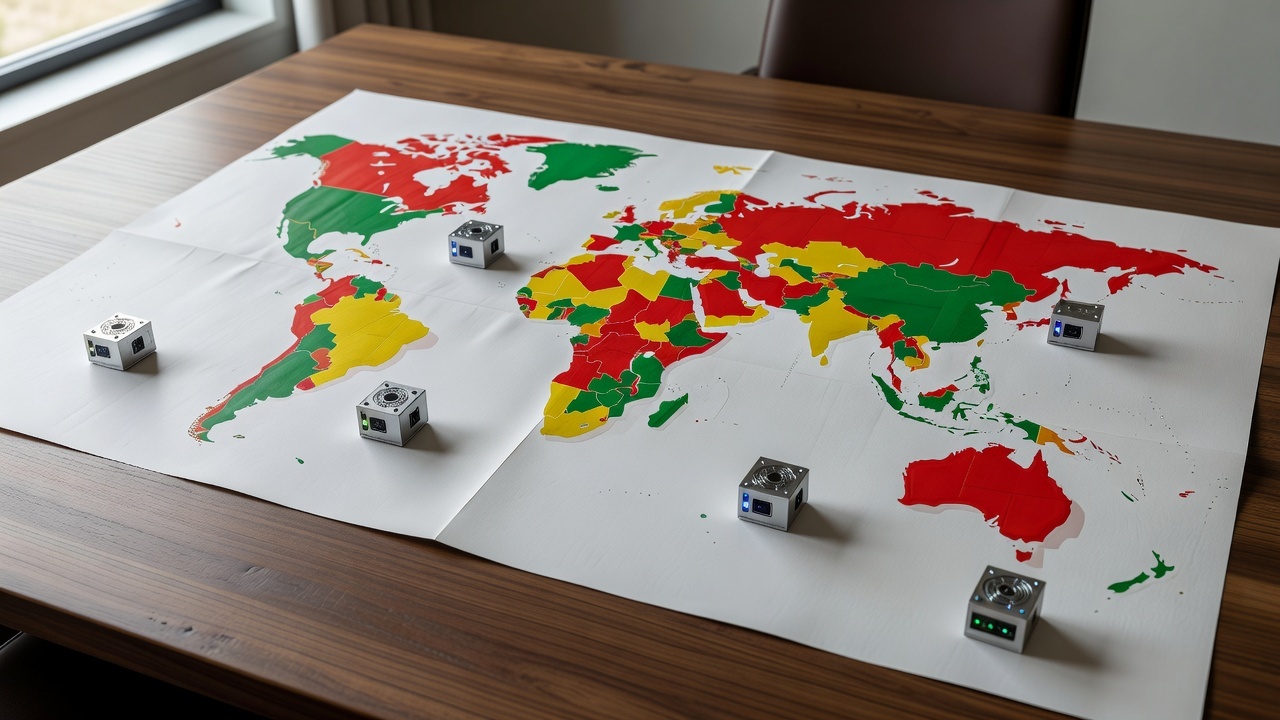
China, Russia, New York, EU - we break down current bans and restrictions across key jurisdictions and what it means for miners.

Three pools control more than half the network. We compare fees, payout schemes and minimum thresholds so you can choose correctly.
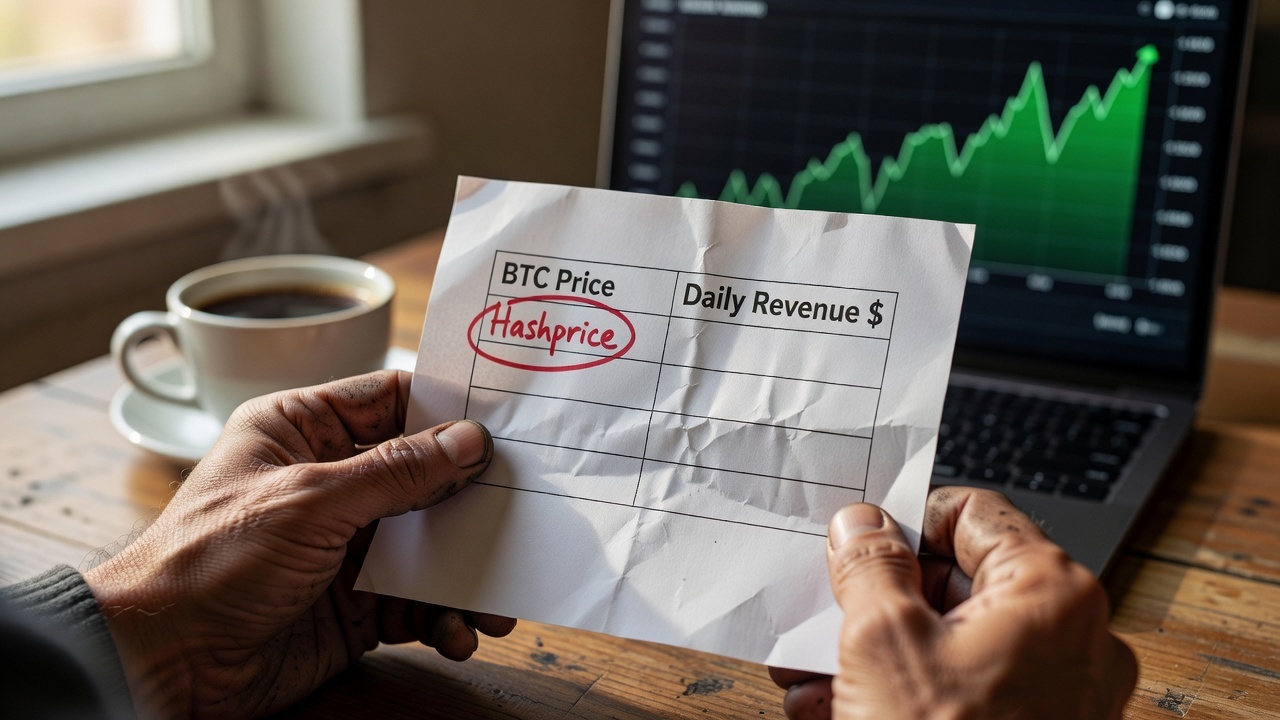
BTC price rises but miner revenue falls. We break down hashprice - the metric that shows your actual earnings right now.
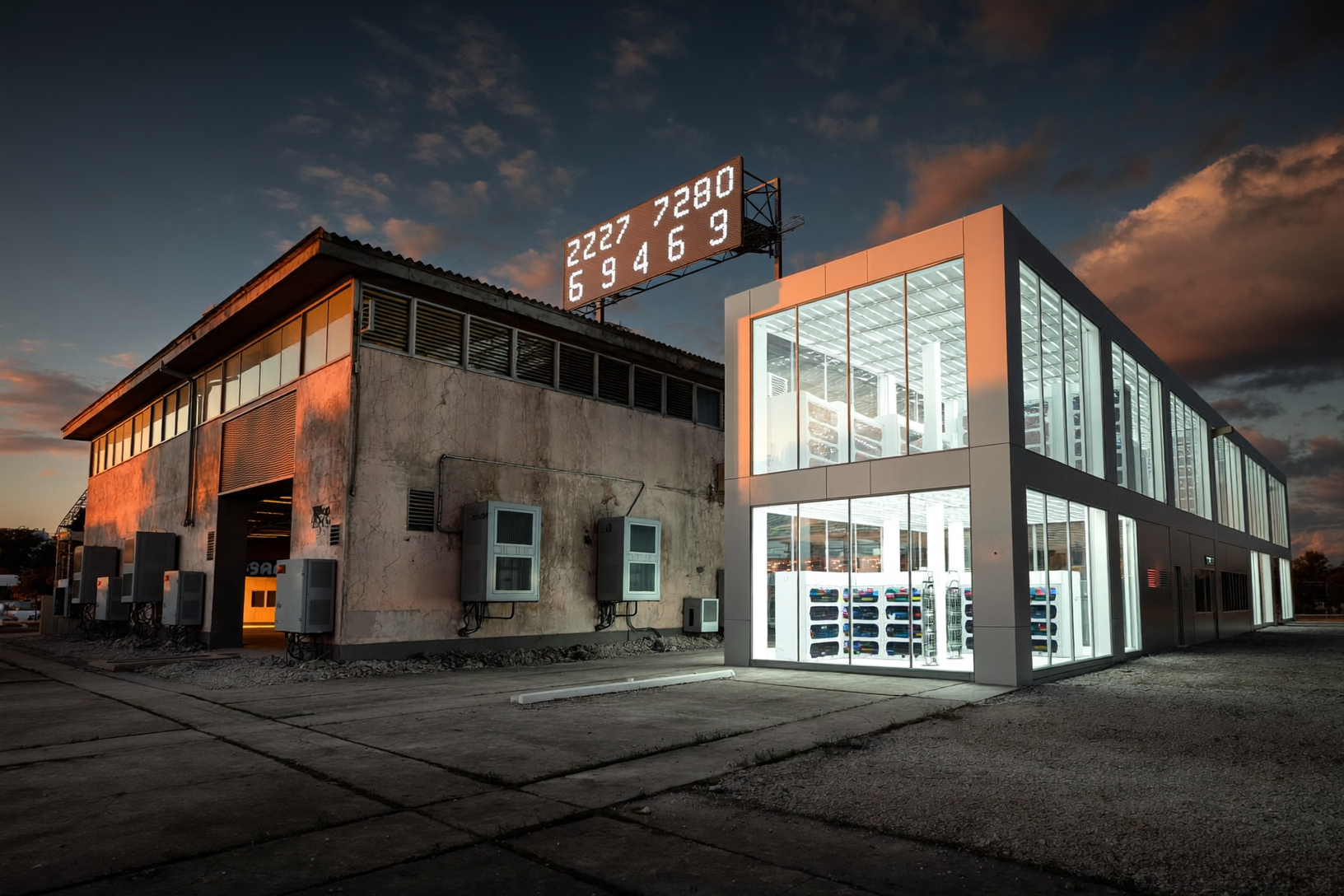
Bitdeer takes the top spot at 73.0 EH/s, edging out MARA (70.7 EH/s). We break down what this means for the pool market.
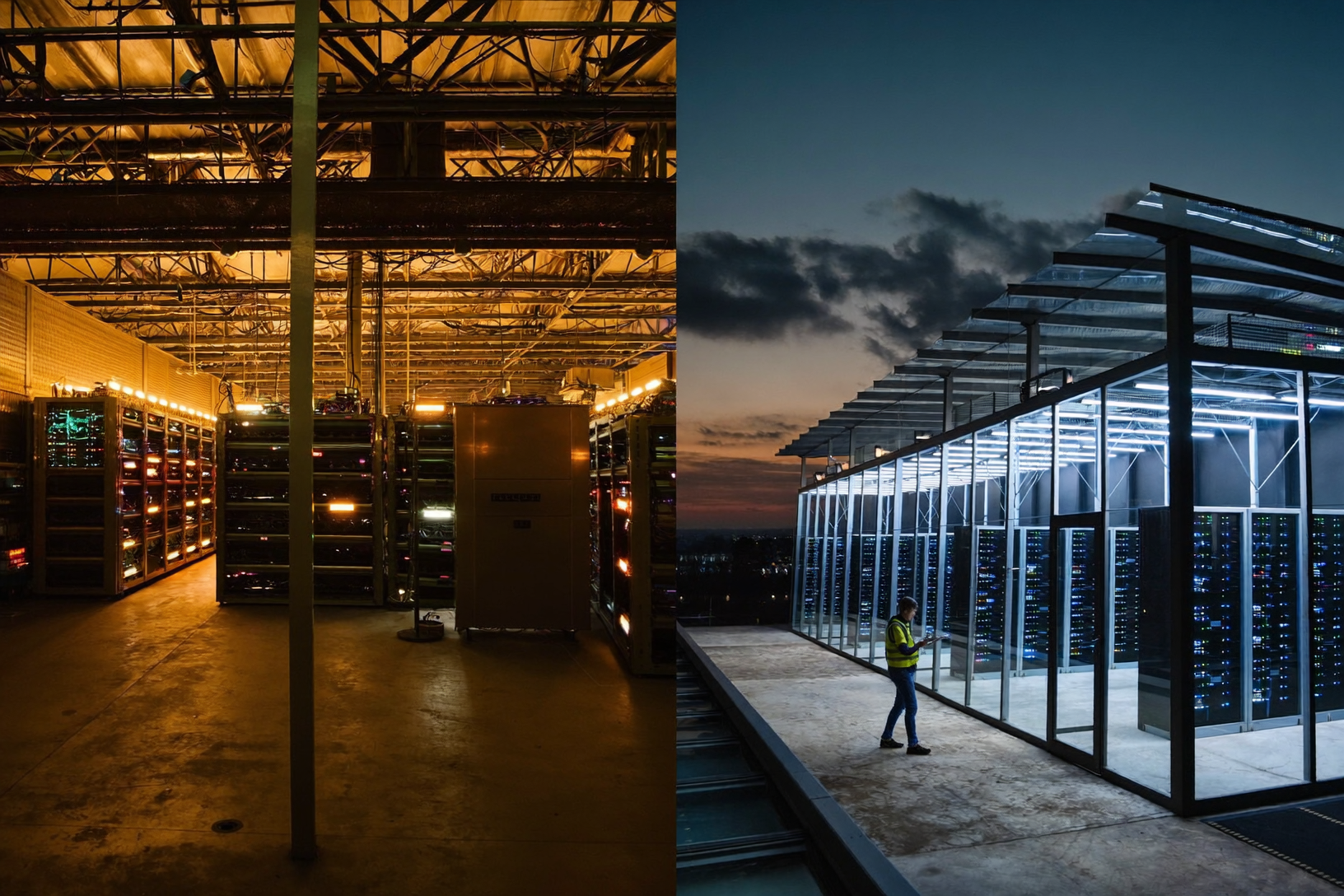
Network hashrate fell 6.3% quarter over quarter, the first drop in six years. Miner contracts for AI and HPC passed $70B.
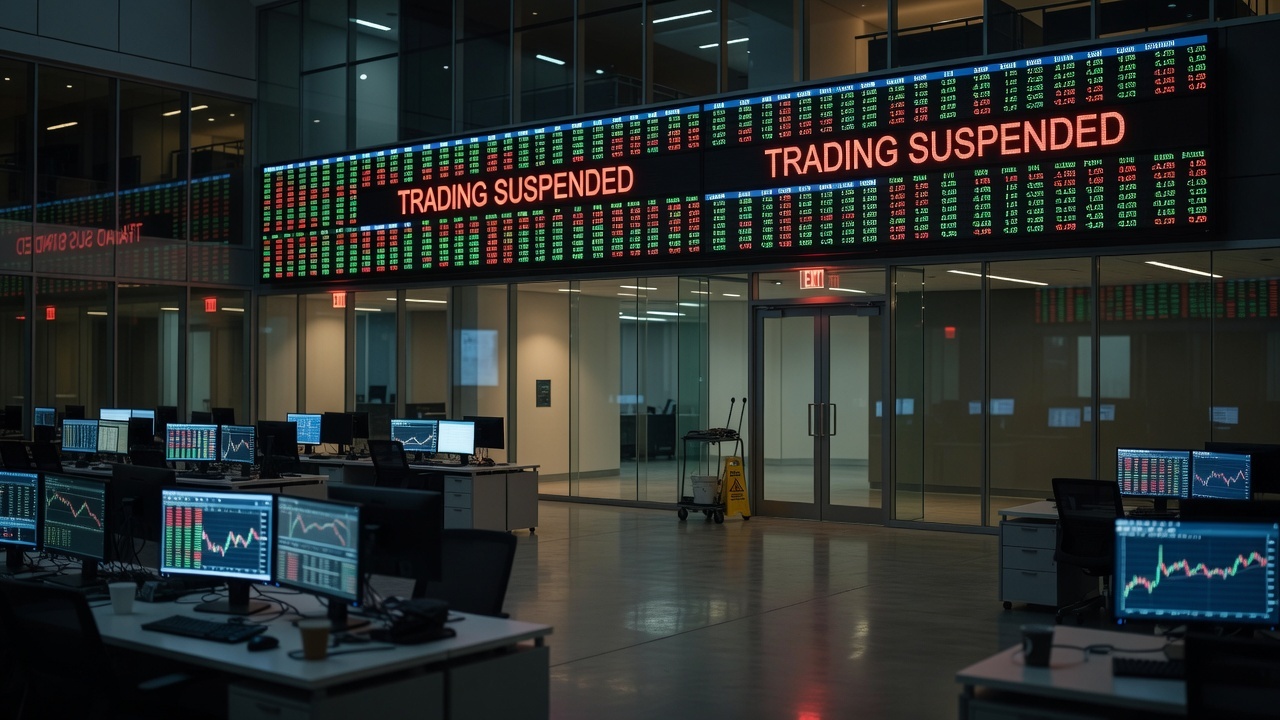
BitMEX closes September 23, BitMart halts trading August 26. Don't delay withdrawing funds.
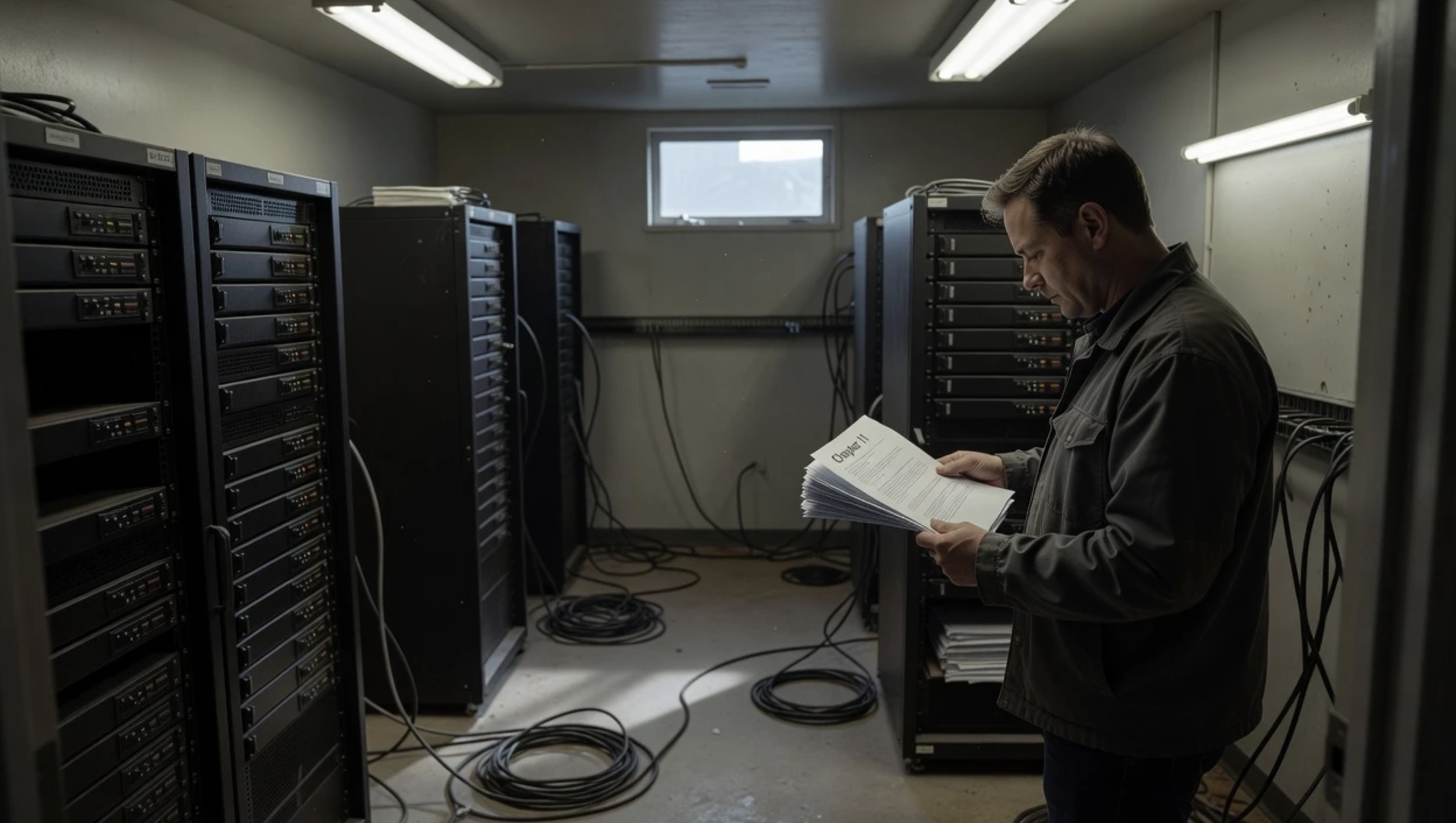
Chapter 11, $73.1M in liabilities. Why your pool balance isn't your wallet, and how to reduce risk.
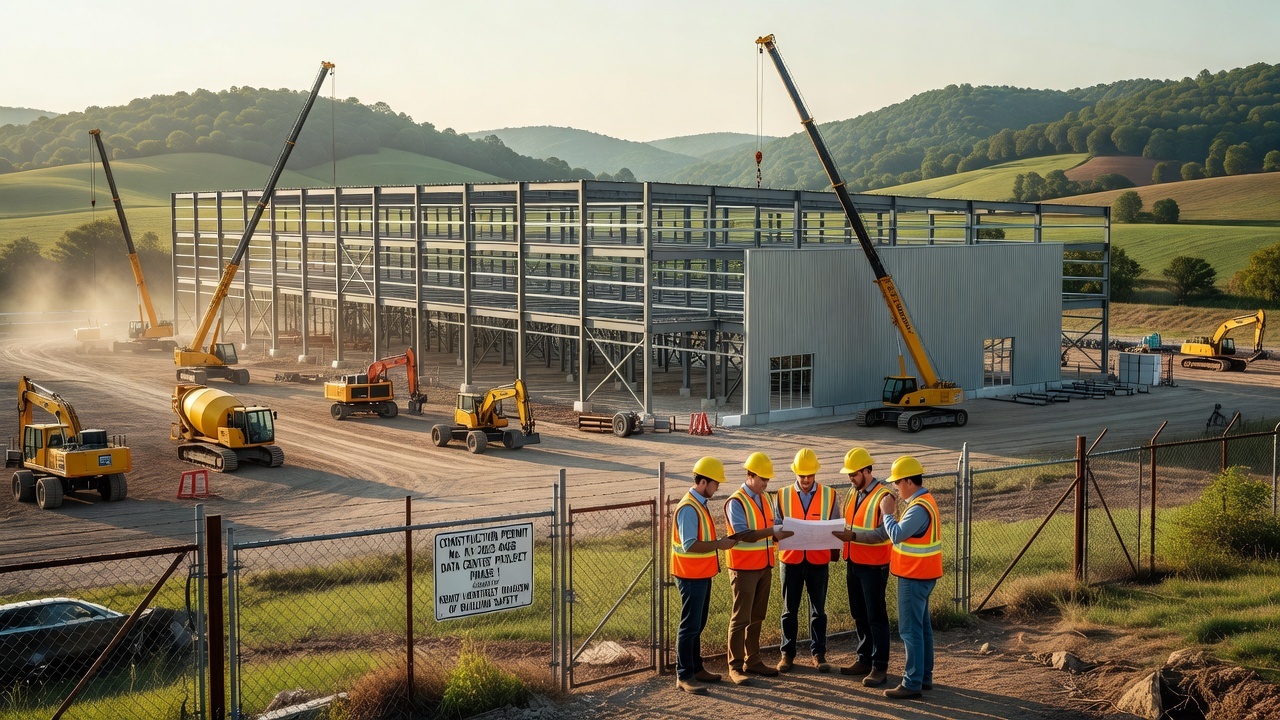
A 20-year lease on a Kentucky AI campus, expected revenue of $19B. Miners keep pivoting to AI.
The Ministry of Energy proposed banning mining in Moscow and the region from July 1, 2026 through December 31, 2032.
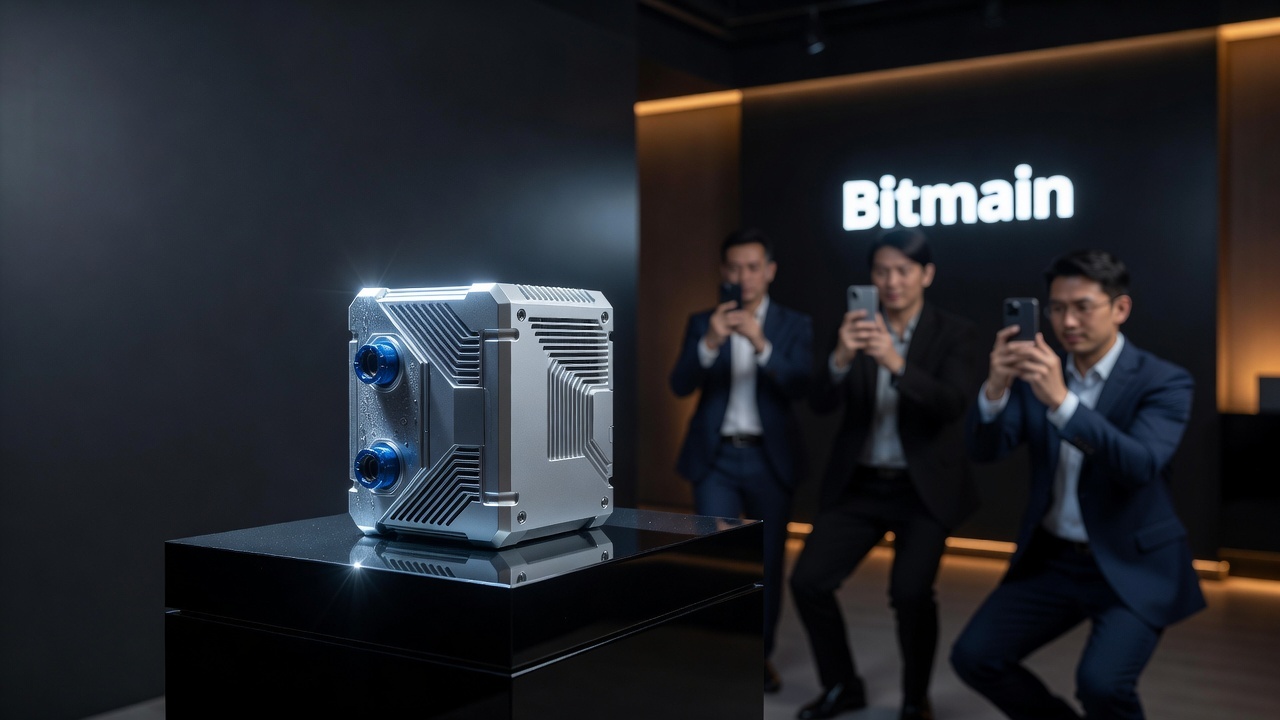
The new ASIC runs RandomX for Monero, not SHA-256. Don't confuse it with BTC hardware.
Foundry, AntPool, ViaBTC, F2Pool. The market has split into two tiers. What small farms should do.
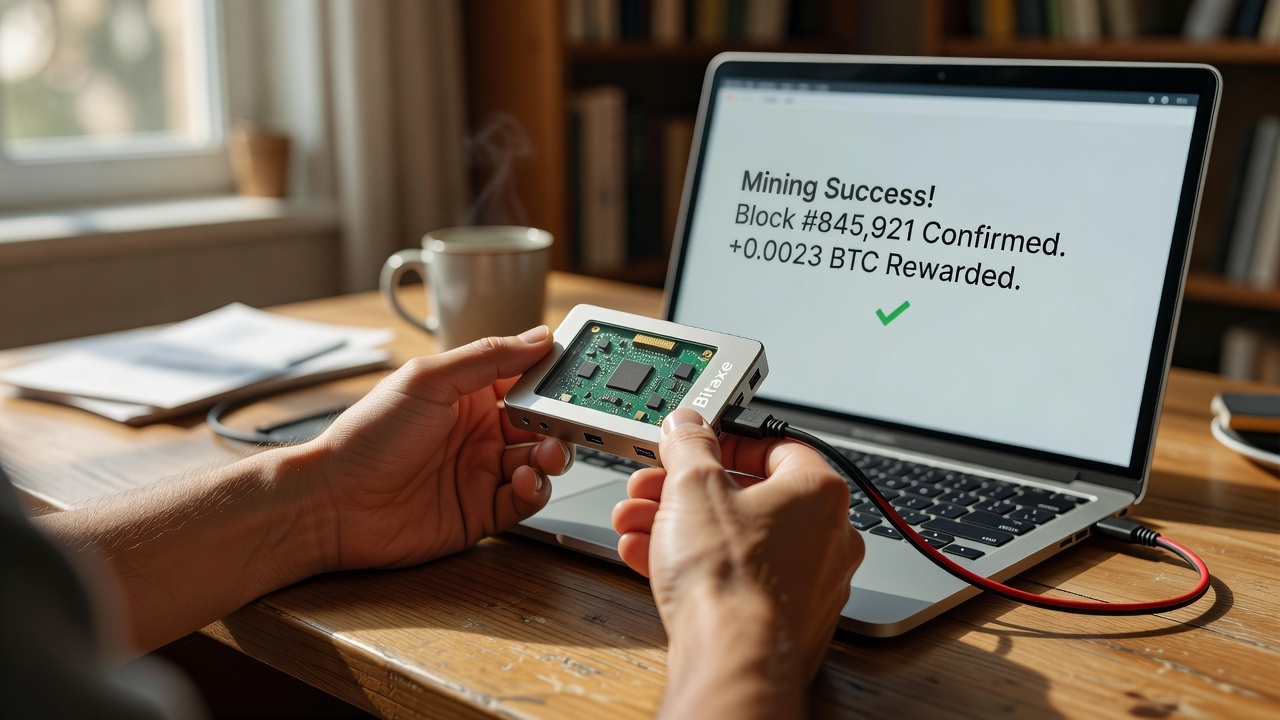
Bitaxe found a block worth 3.1382 BTC. Odds were 1 in 18,000 years. Is solo mining worth trying.
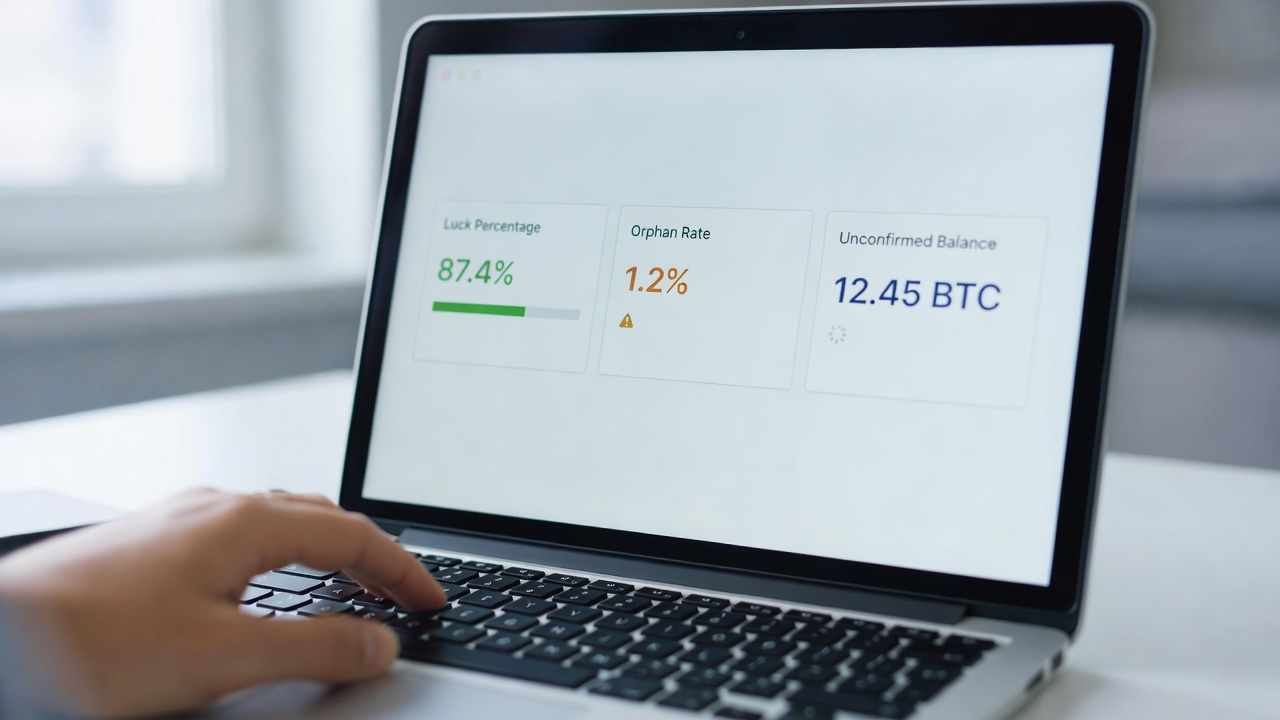
Three metrics that most often scare newbies for no reason.
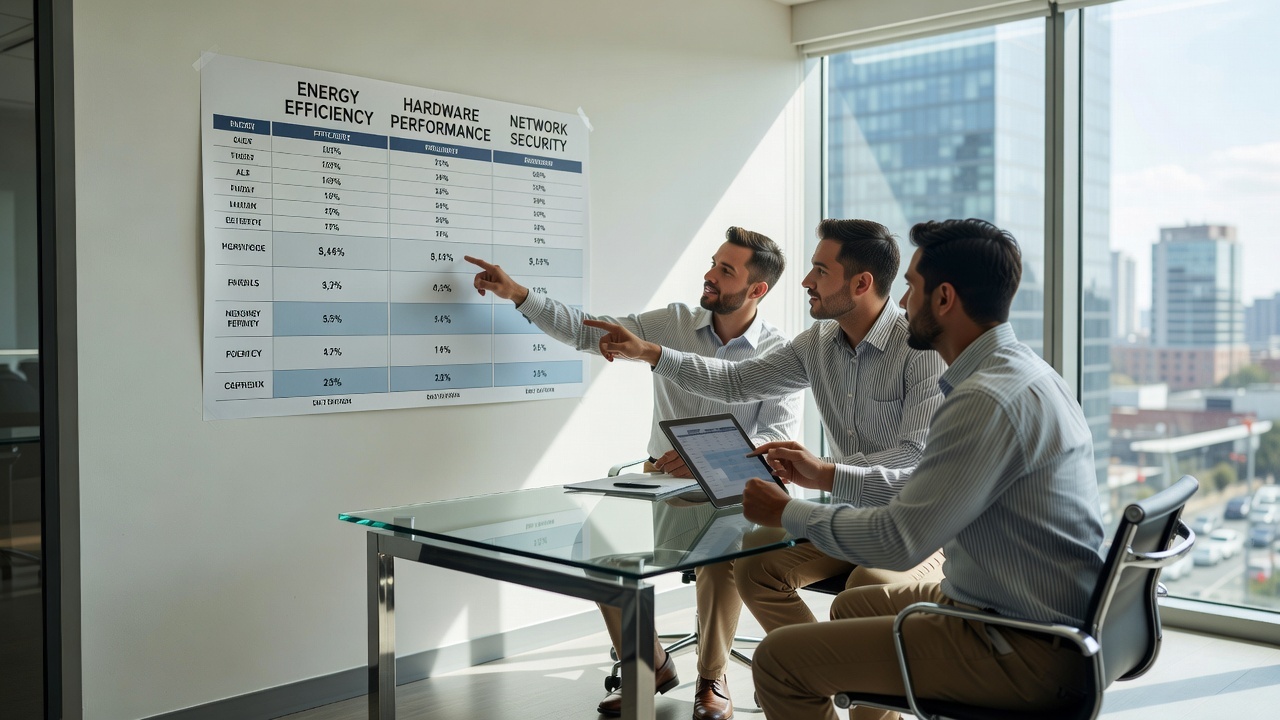
We analyze three payment schemes for mining pools and explain which one is suitable for whom.
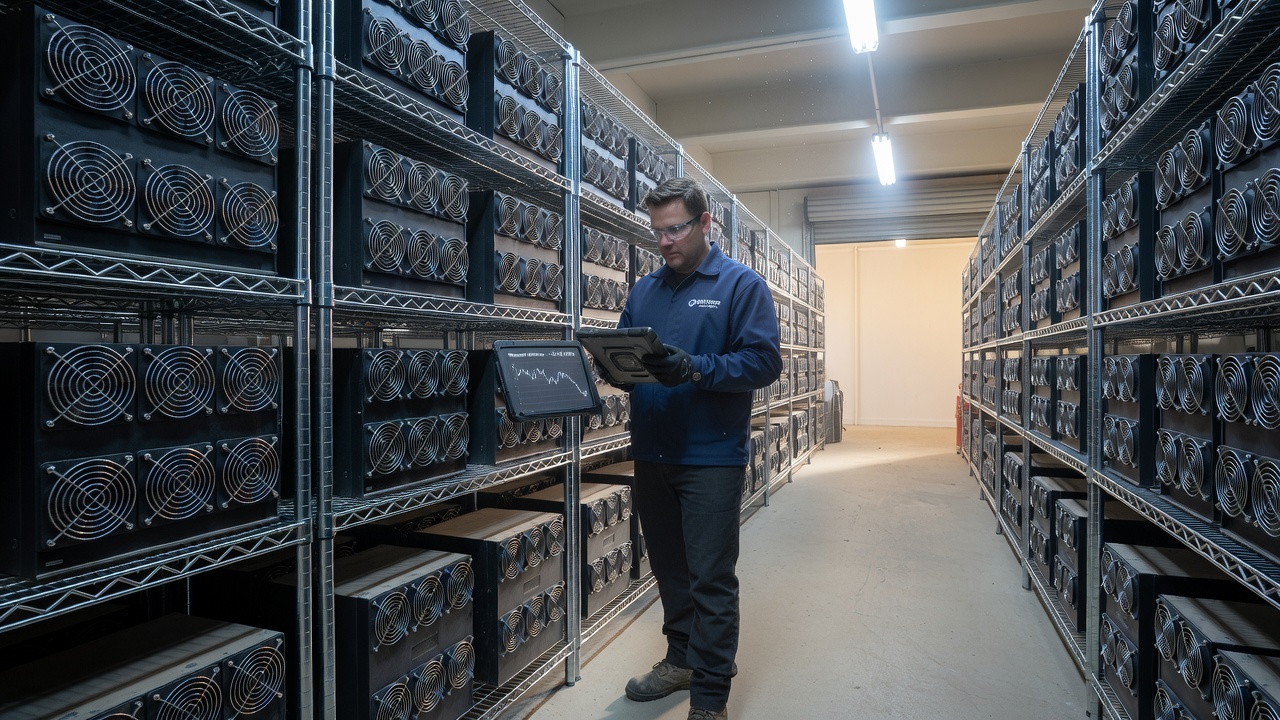
The network hashrate dropped to 918 EH/s. More coins for the same hashrate - but not for long.
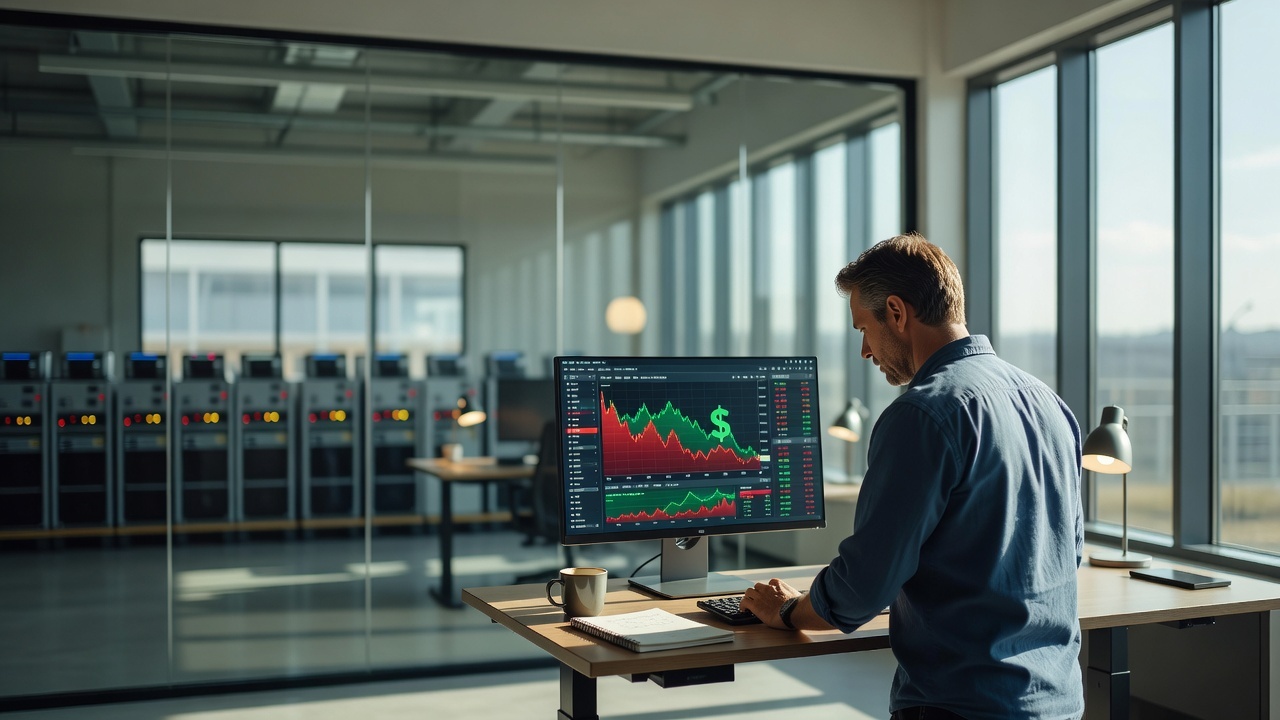
What is hashprice, who remains in the black and what should the owner of a small farm do?
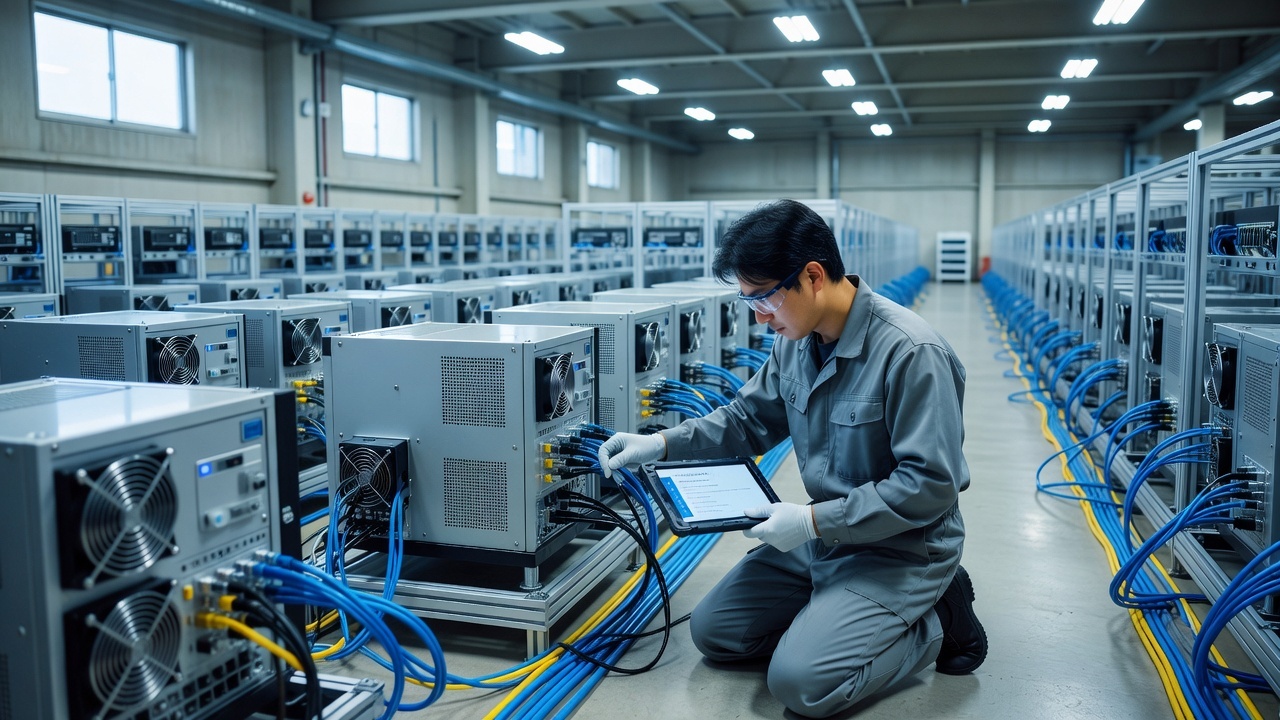
20.9 EH/s must find a new pool. Comparison of Foundry, AntPool, F2Pool, ViaBTC, TRUSTPOOL.

Eight criteria ranked by the cost of a mistake at each farm size: payout threshold, fee, scheme, uptime, coins, withdrawal, KYC and support.
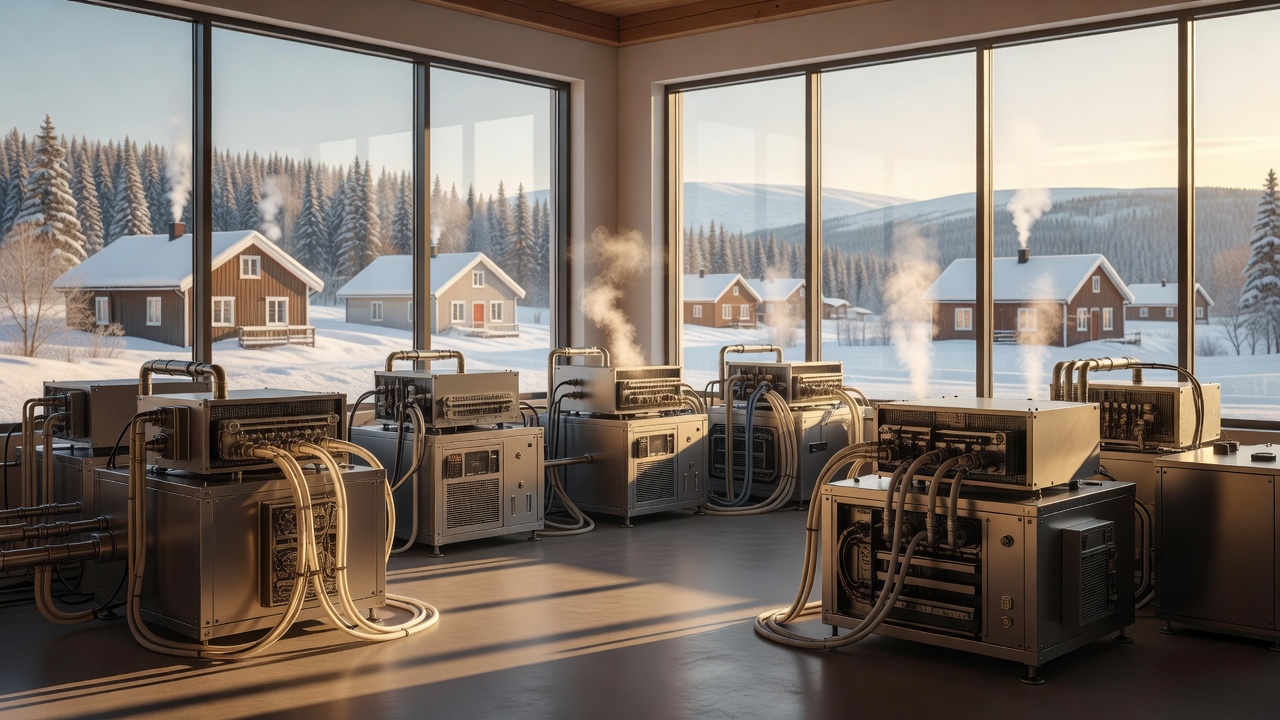
Hydro-cooled Avalon A1566HA: 2 MW live, 8 MW ordered. Waste heat becomes district heating.

Real income on S21 XP across 6 pools. FPPS vs PPS+. Which pool for which miner.
Who wins the AI pivot and who loses. MARA, HUT, WULF, CLSK - VanEck breakdown.
38% of hashrate is American, 97% of hardware is Chinese. Senators Cassidy and Lummis.
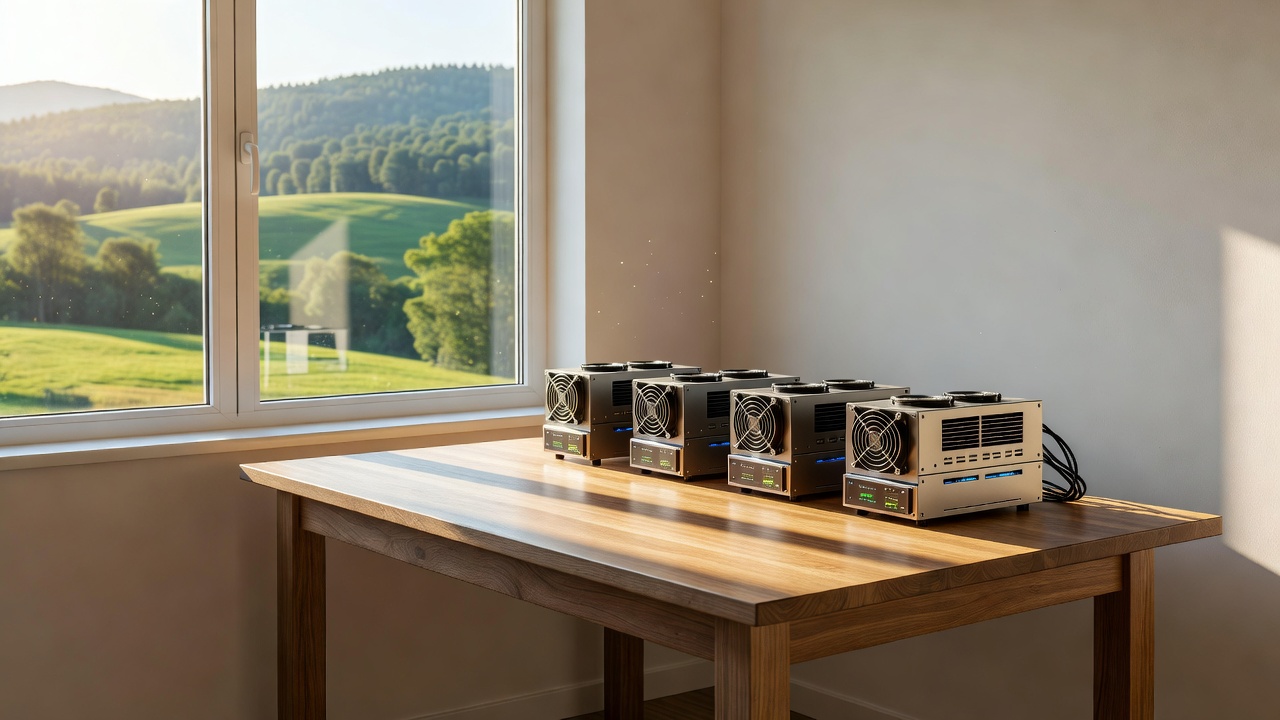
Your odds of finding a block equal your share of network hashrate. Expected waits from one S21 Pro to 10 EH/s at about 926 EH/s, pool comparison, solo pools ckpool and AntPool, and where solo stops being a lottery.
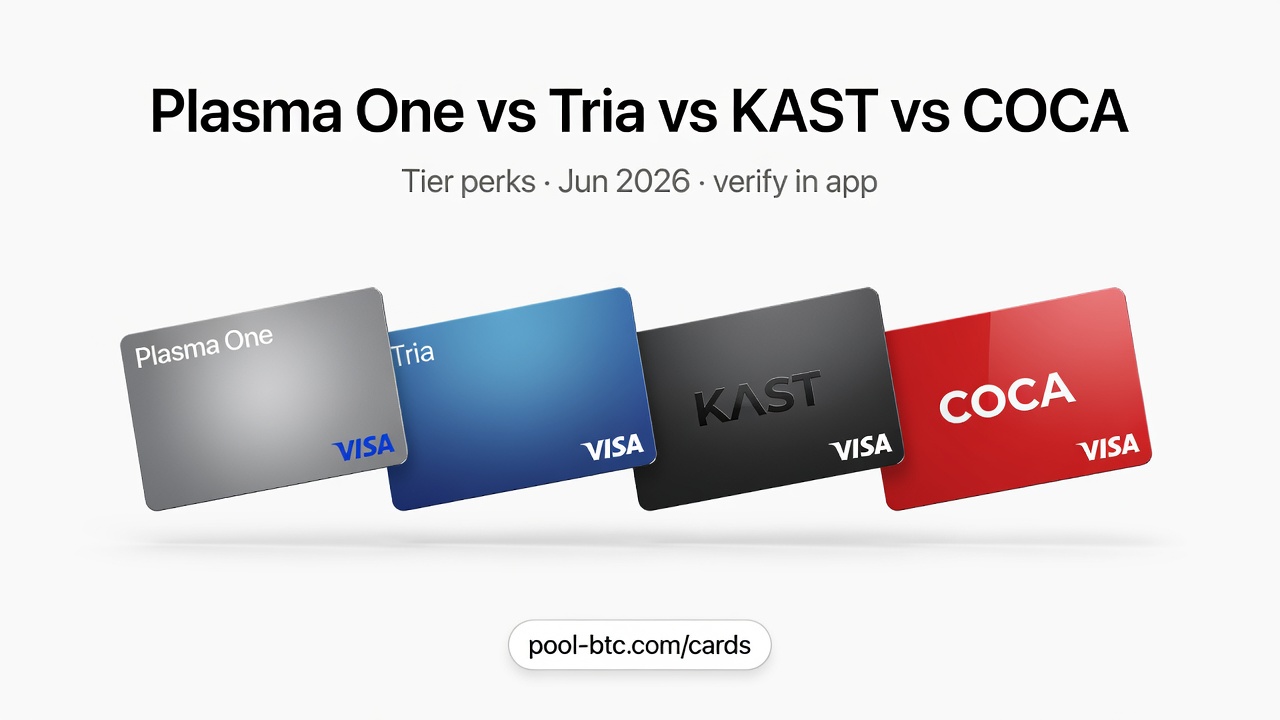
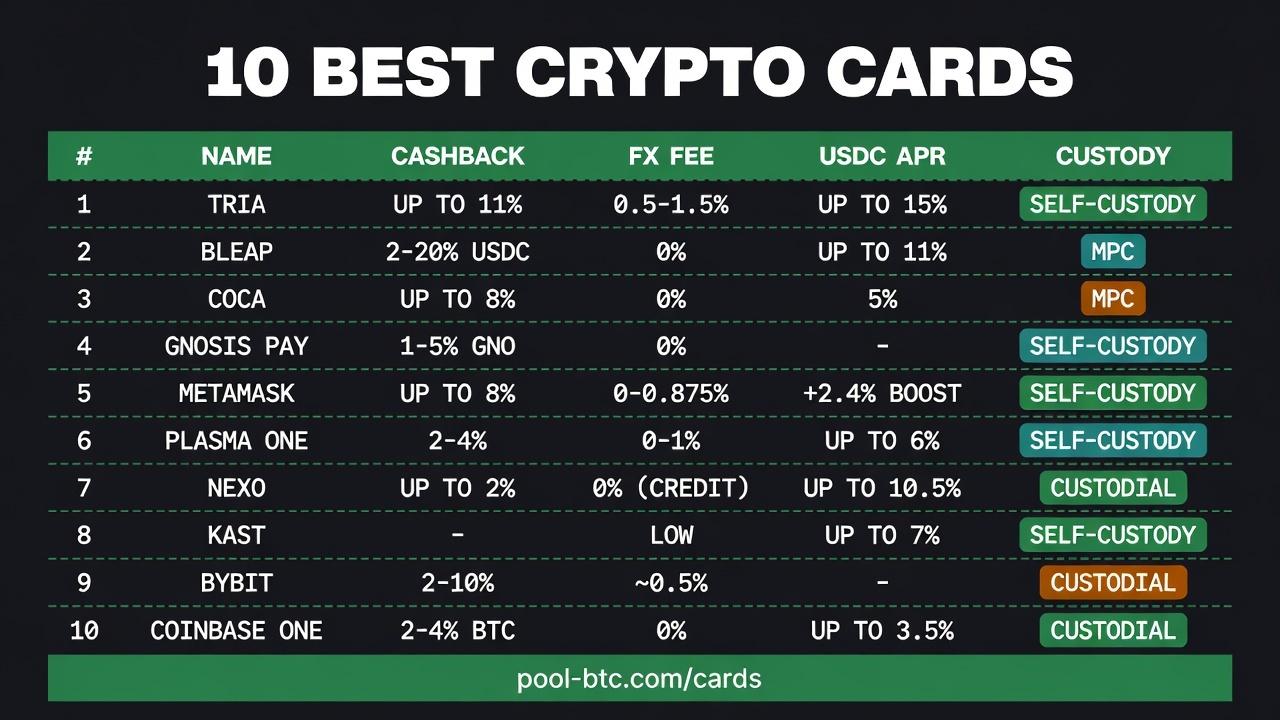
Up to 8% cashback, AI subscriptions, lounges and zero FX. Full comparison. POOL BTC.
Regional rates, contract checklist and SLA. Real figures from POOL BTC.
No-KYC card is a corporate shell, not anonymity. Risks and scheme. POOL BTC.
Public miners: BTC HODL strategy vs operating costs. POOL BTC.

~$325B market settlement layer. Impact on POOL BTC crypto cards.
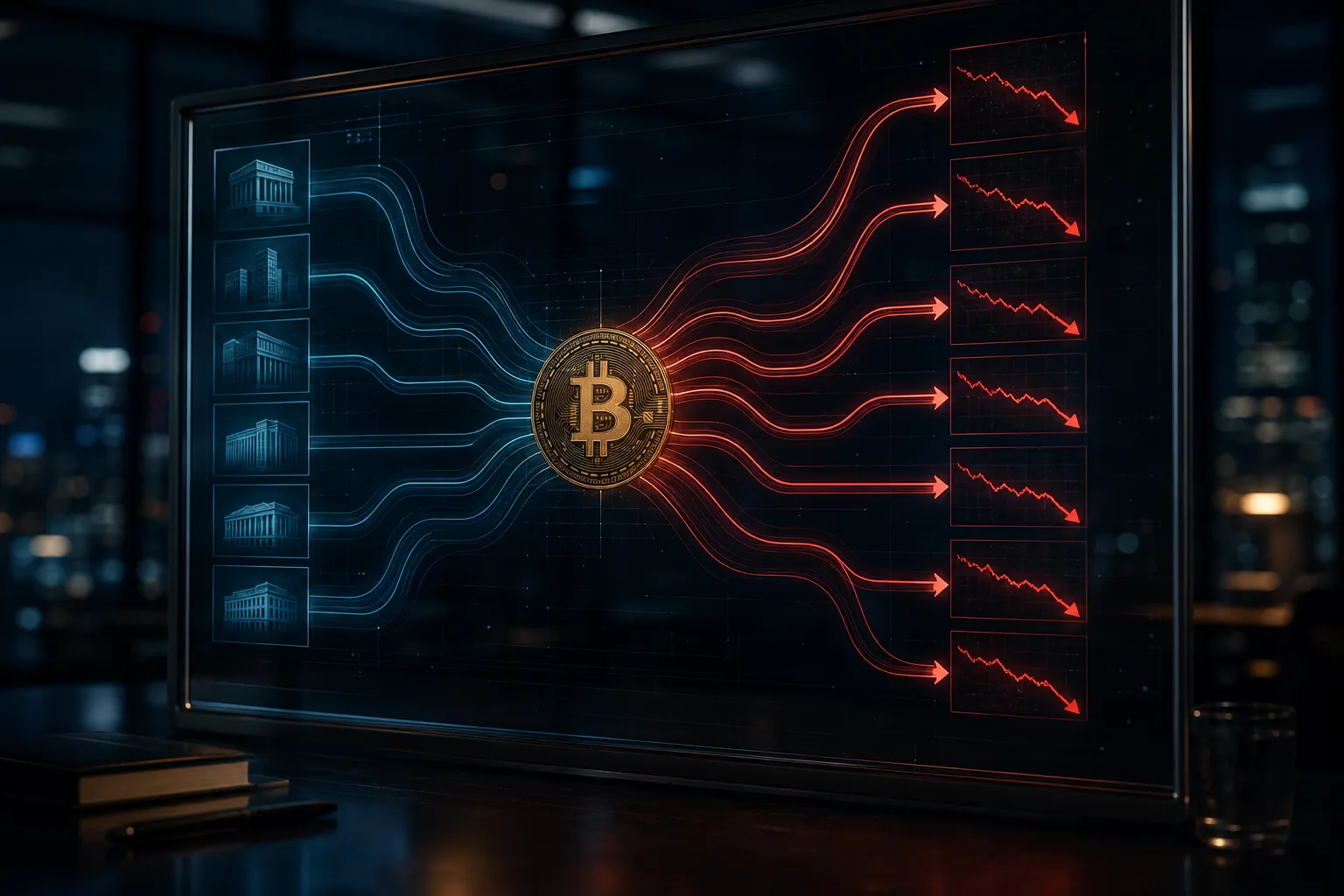
Record redemption streak, BTC near $64K. What FPPS miners should know. POOL BTC.
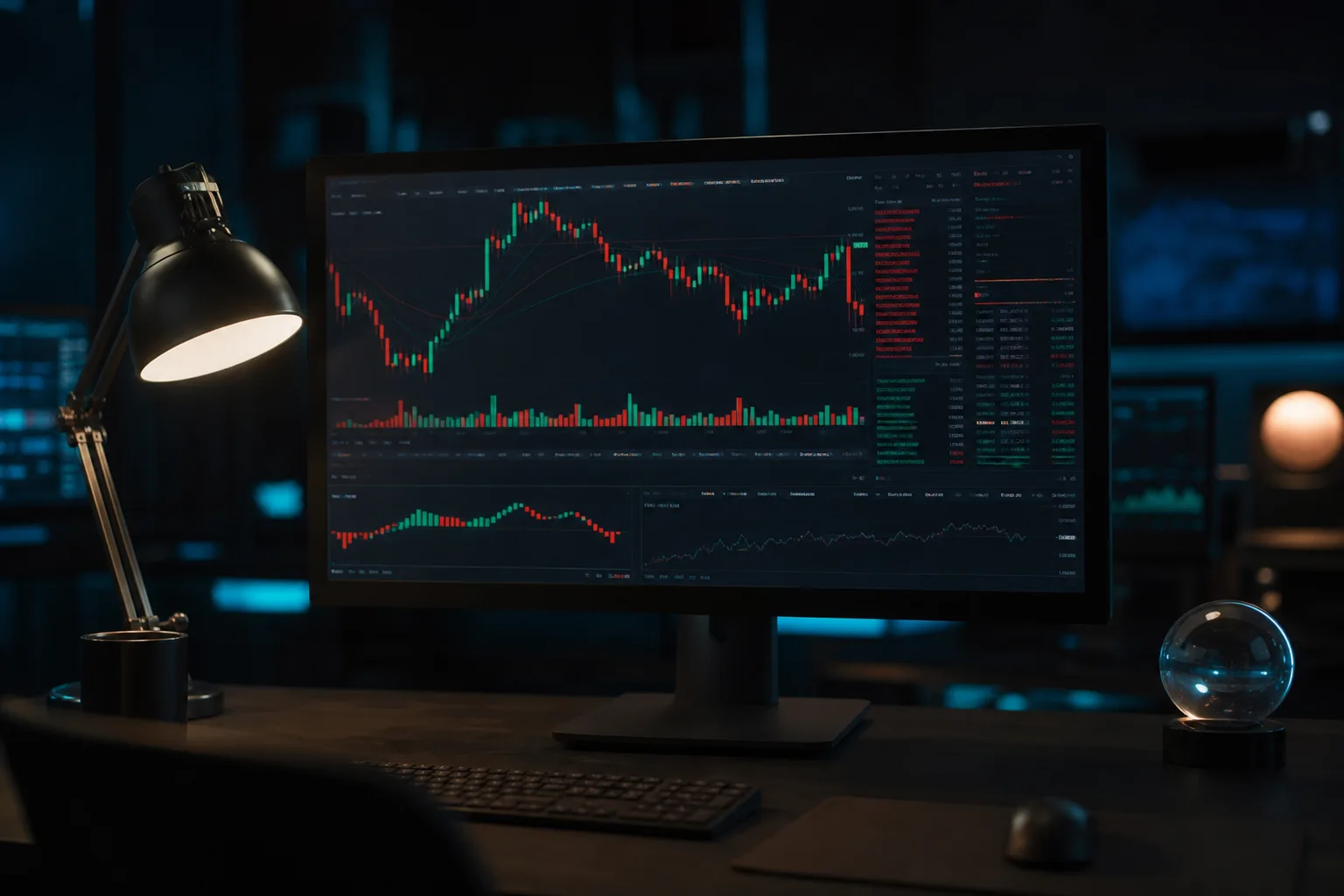
FOMC June 17: hawkish dot plot, hashprice ~$33/PH. POOL BTC calculator.
Free Visa, $10 after $100+ at 3 merchants. MPC wallet, 5% APY. POOL BTC.
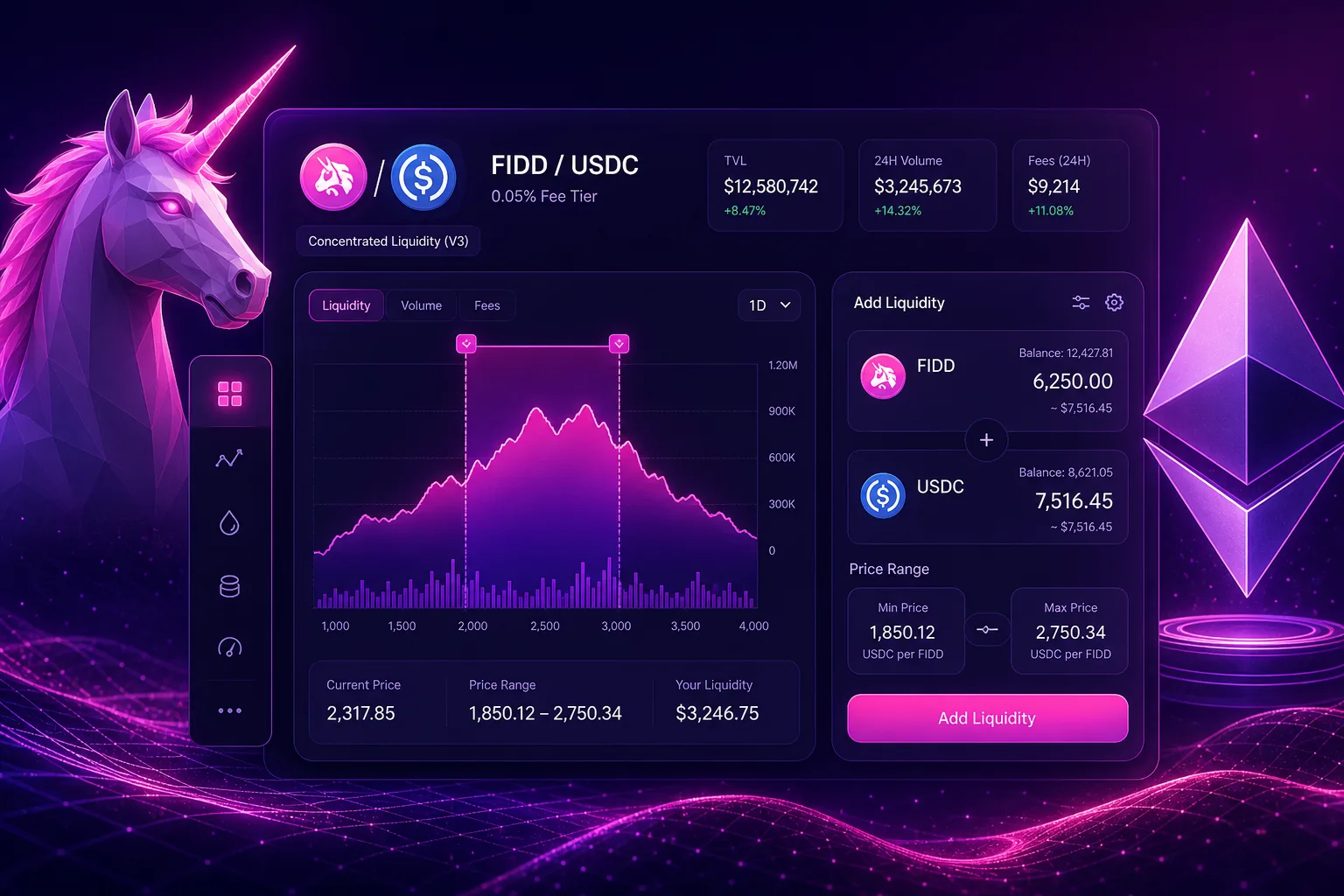
TradFi stablecoin ~$62.6M in FIDD/USDC pools. POOL BTC.
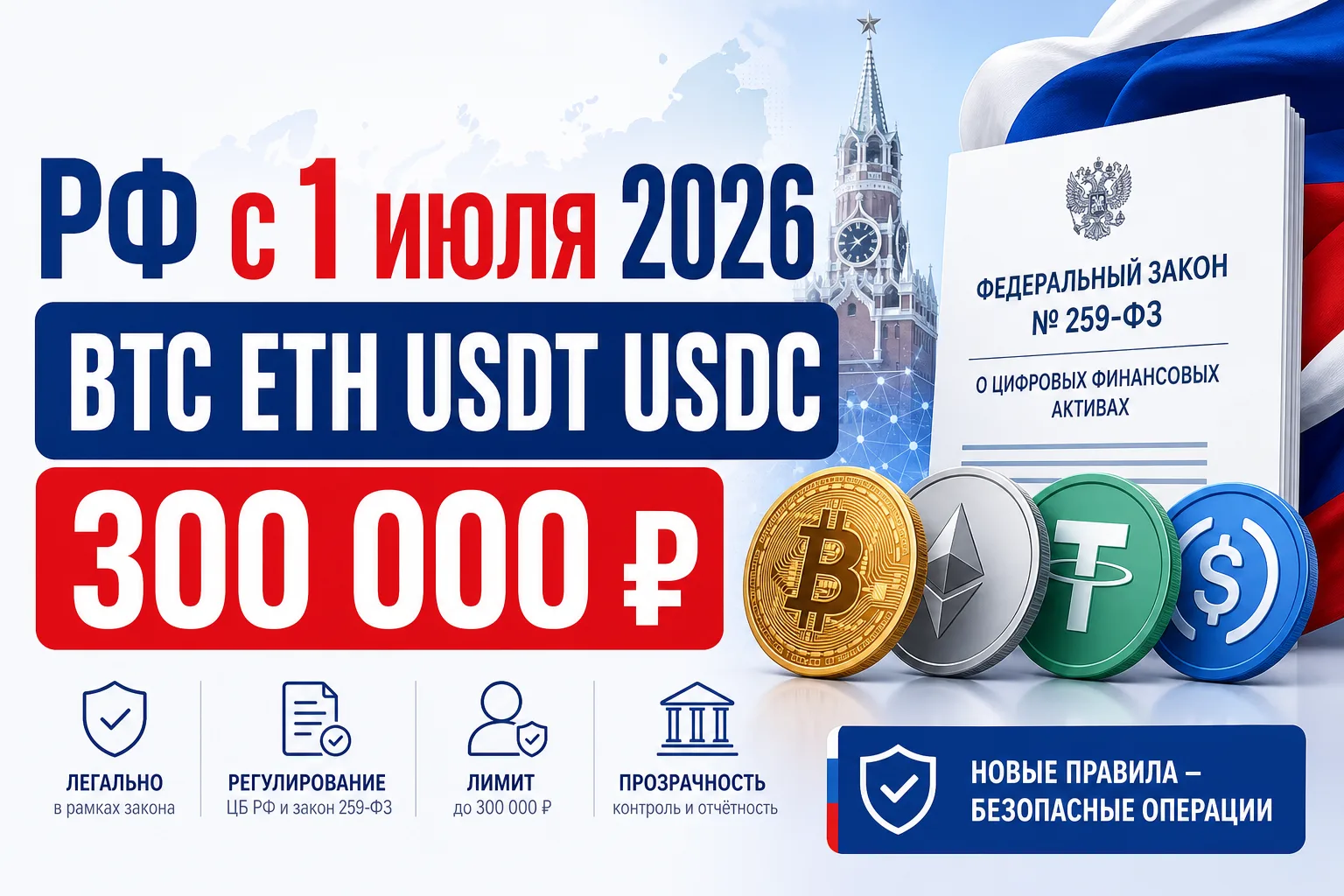
Retail crypto rules: four assets, 300 000 ₽ limit. POOL BTC Exchange.
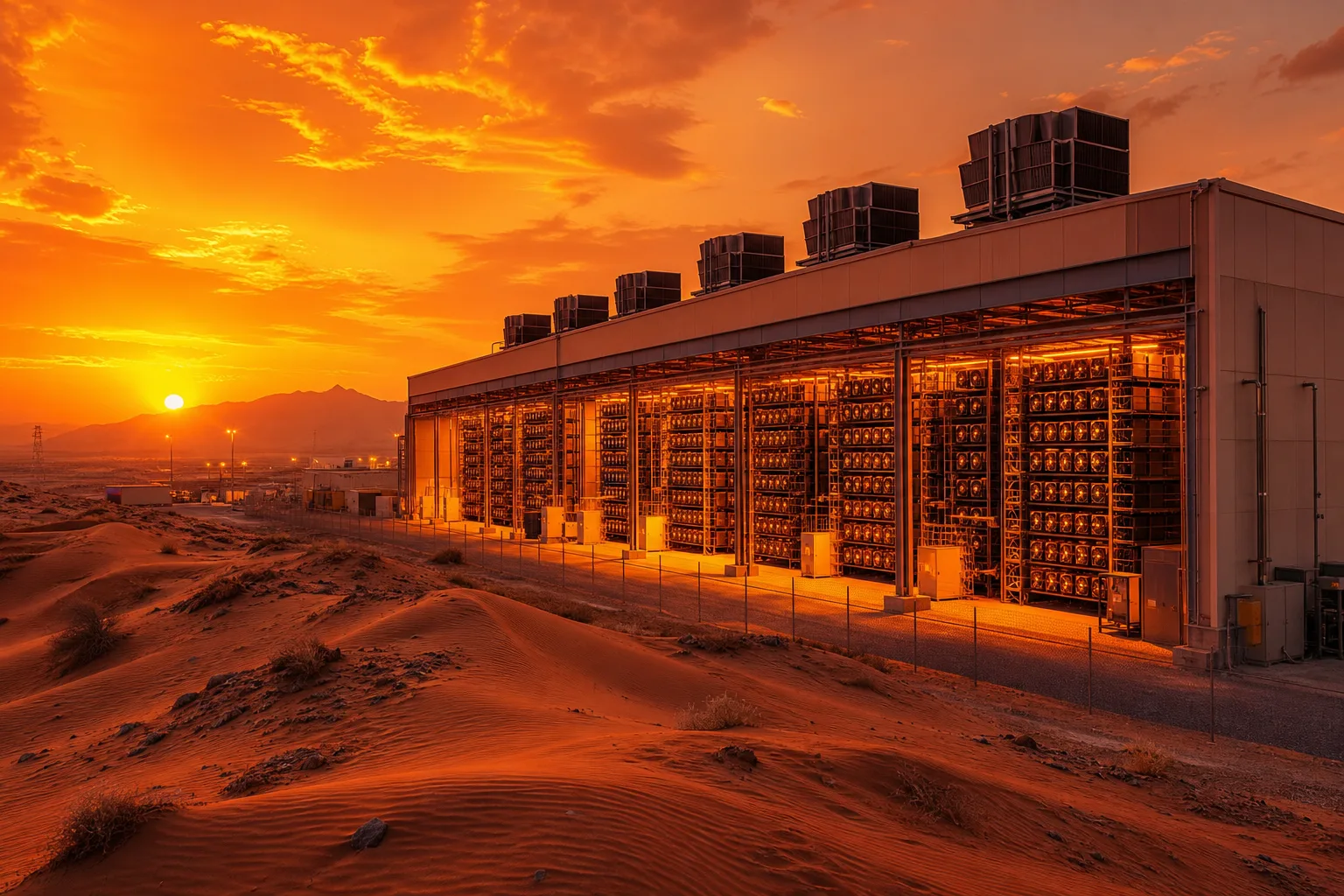
10 EH/s FPPS, licensed mining via Omanhash only. POOL BTC.

Group D odds, France/Spain, USDC. Risk caps and POOL BTC Predict links.
Self-custody, 40x, CASH HIP-3. Web and mobile on Hyperliquid. POOL BTC DEX.
Early users get Core free until June 23. 3% cashback, ChatGPT Go, code XBTBTC.

150M+ merchants, USD/EUR accounts, $0 remittance to 200+ countries. iOS/Android.
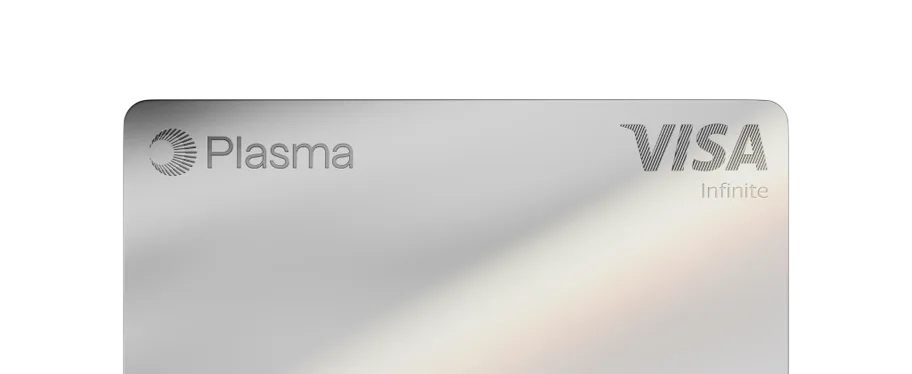
Self-custody Visa, USDC/USDT, 2-10% cashback, code XBTBTC. Top card on POOL BTC.
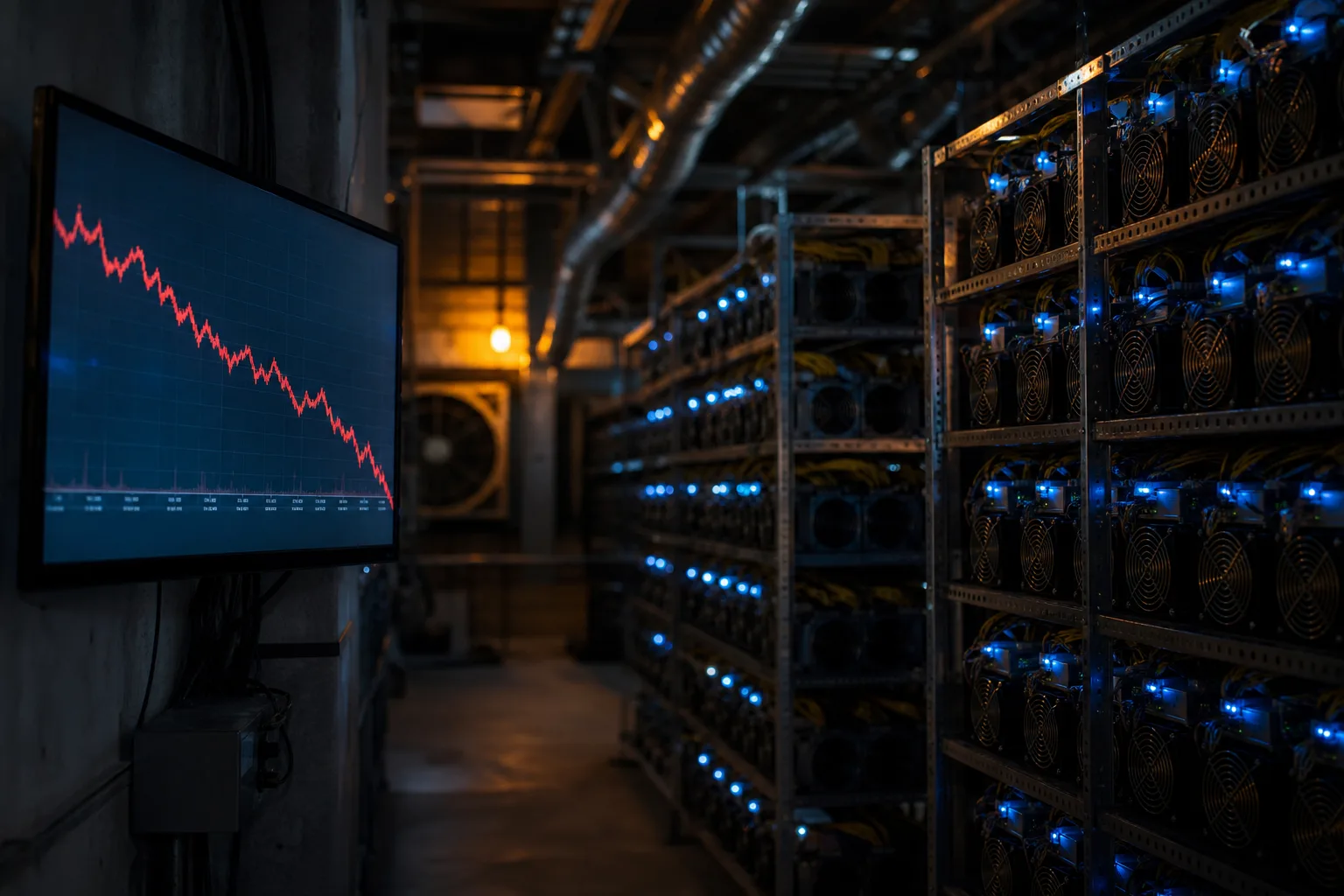
-10.09% retarget at block 953,568: 124.93 T difficulty, hashprice ~$33/PH. POOL BTC.

333,333 NEAR for private payments: $105+ deposit, one swap, keep balance until snapshot.

Spain ~16%, France ~14% on Polymarket, where to bet the winner, POOL BTC Predict hub links.
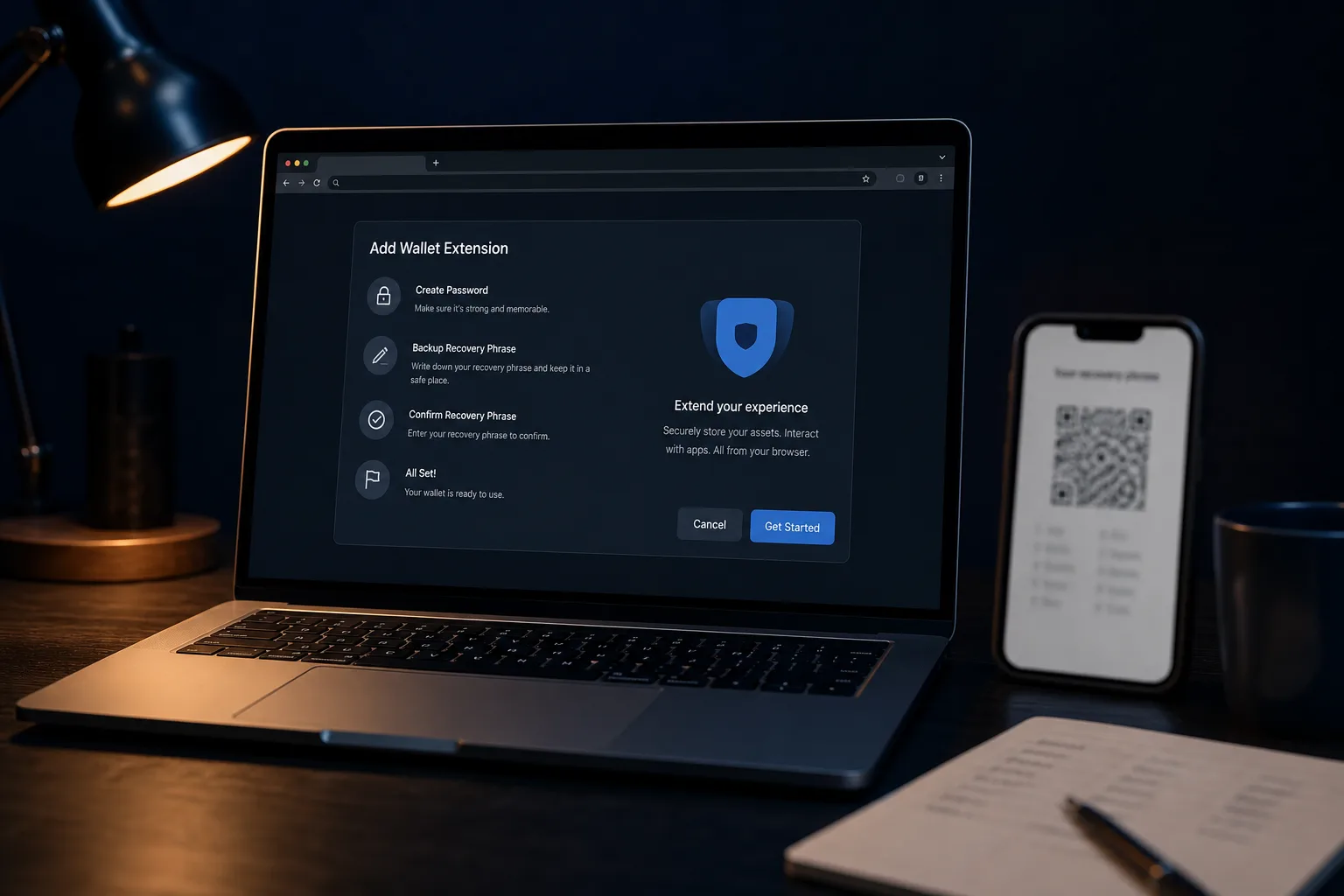
Polymarket, Predict.fun, Jupiter: wallet setup, USDC on the right chain, first bet. POOL BTC.
Jupiter, Polymarket, Predict.fun: deadlines, risk caps, and links from the POOL BTC Predict hub.

OpenAI-compatible API, gonka-api.org and POOL BTC AI hub.
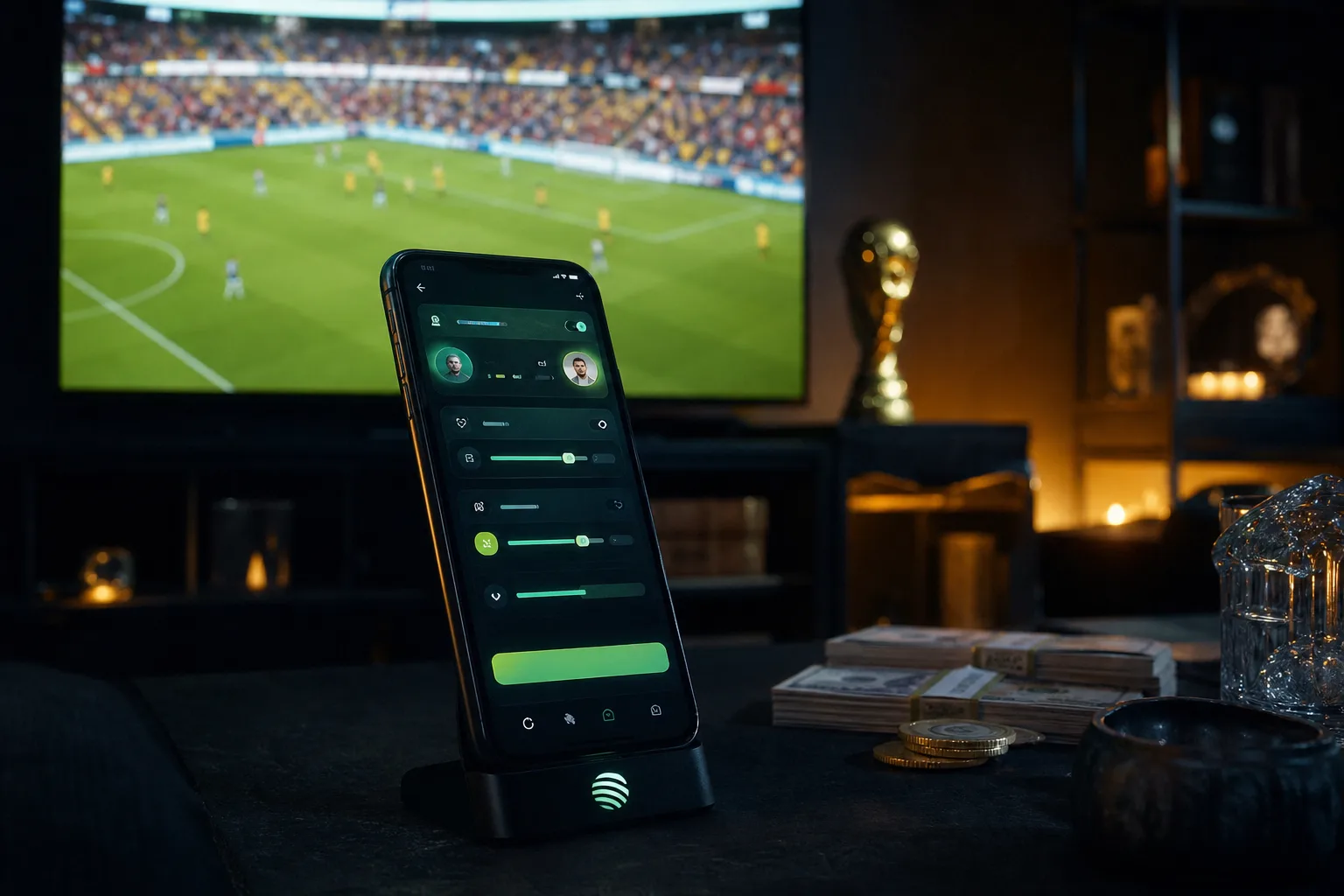
Freeroll $25k, paid pool $100k, 70% odds rule, June 12 deadline, $12k bracket bonus. POOL BTC.
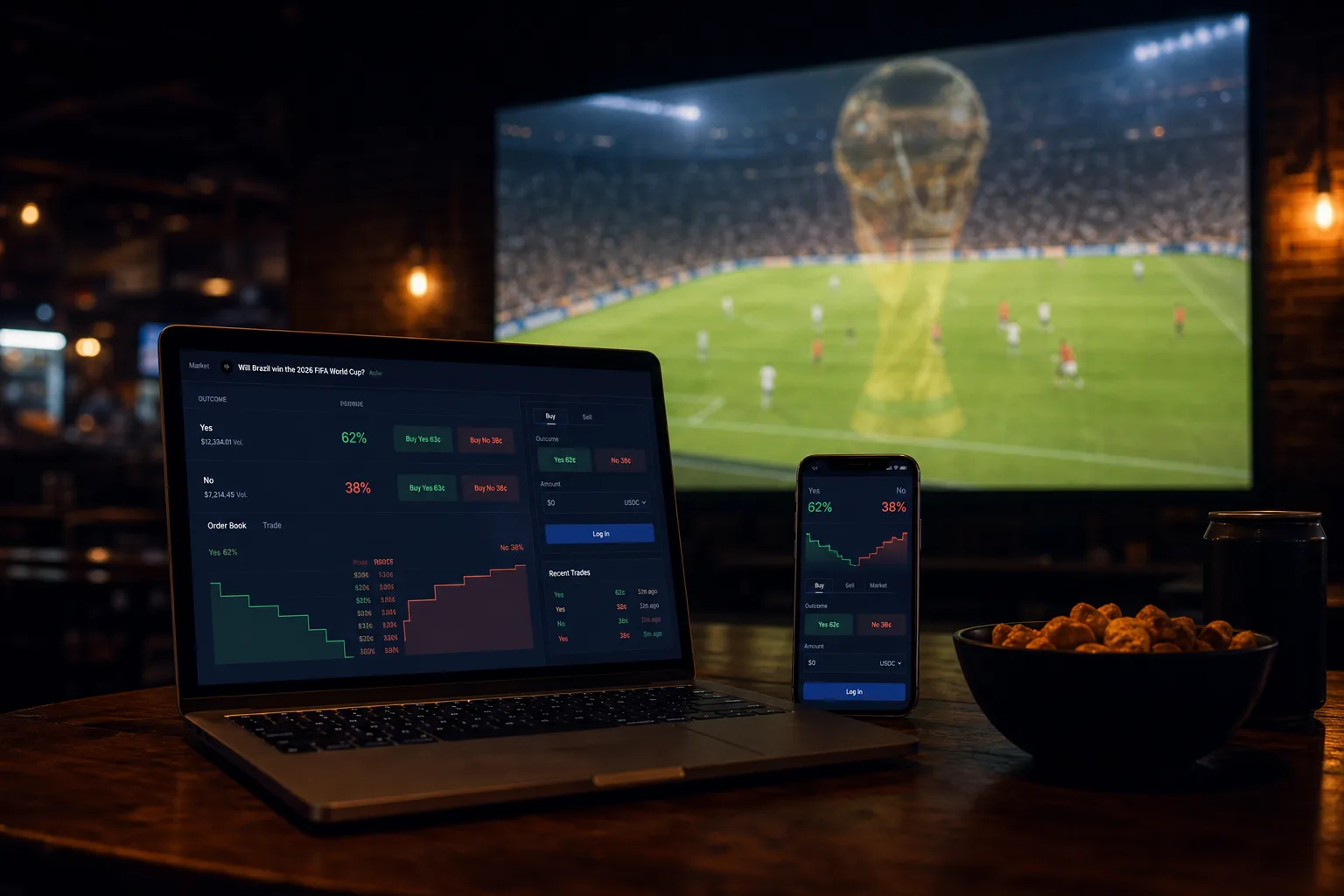
Polymarket, Jupiter, Predict.fun: venue table, risk limits, and POOL BTC mining income link.
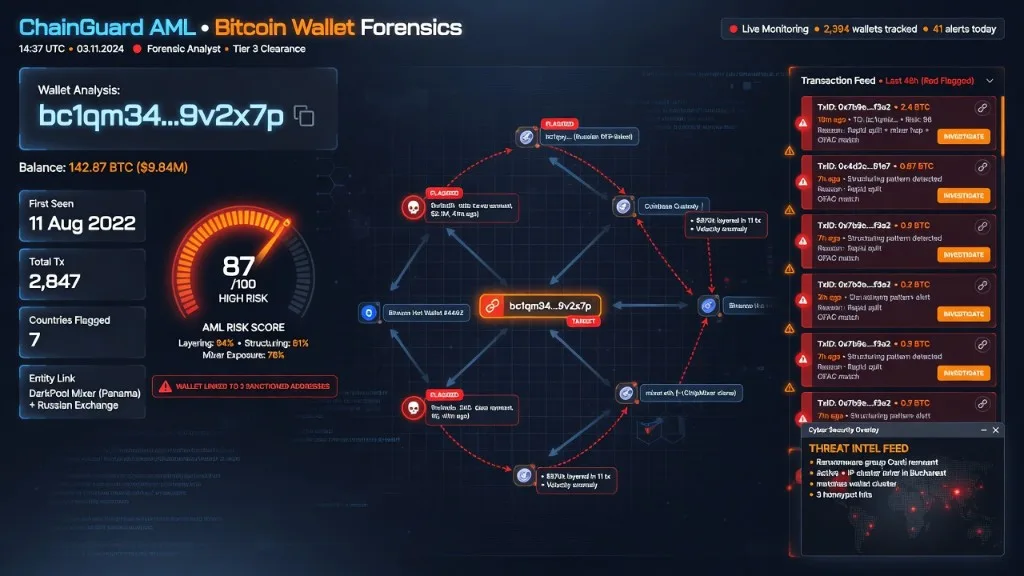
BTC, USDT, ETH, SOL and more: asset table, analyzers from $0, and POOL BTC checklist.
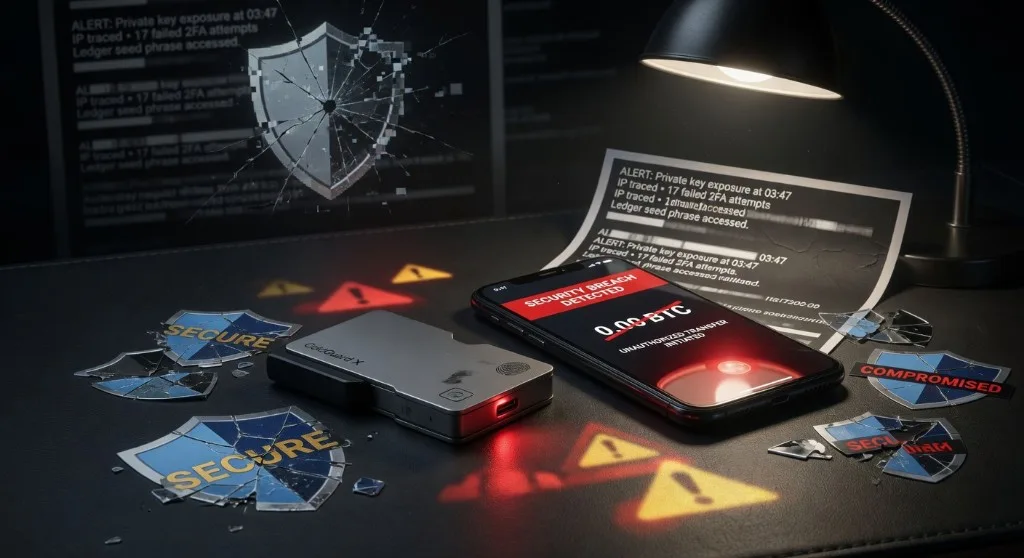
Ledger, Trezor, MetaMask vs Atomic: incident tables, response speed, and user checklist on POOL BTC.
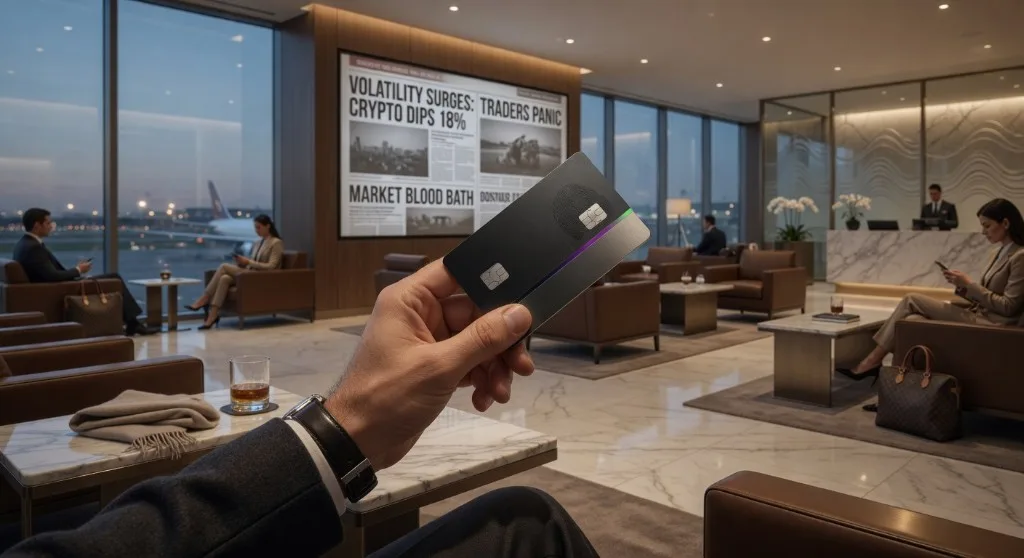
Crypto.com, Wirex vs Celsius, FTX: who survived, cashback tables, and how to pick a card in 2026 on POOL BTC.
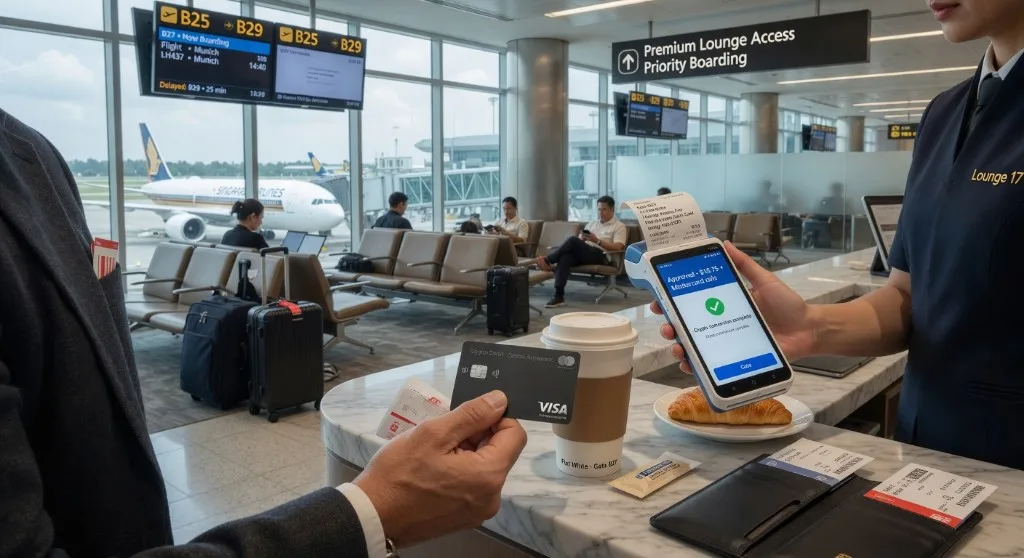
Crypto.com, Bybit, Wirex table: duty-free, lounges, parking, FX fees, and pre-flight checklist on POOL BTC.
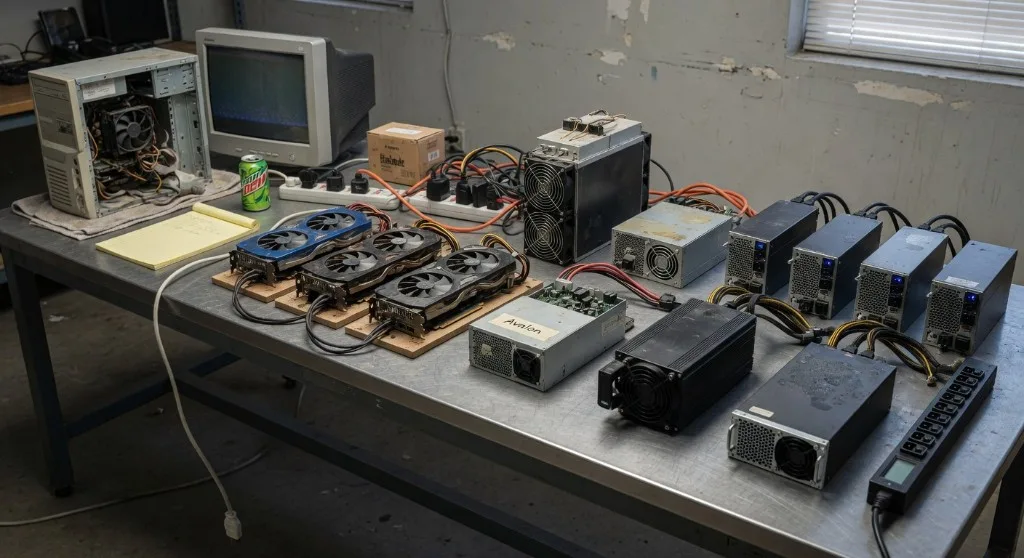
Year-by-year cost-to-mine table, halvings, cost vs BTC price charts, and how to calculate in 2026 on POOL BTC.
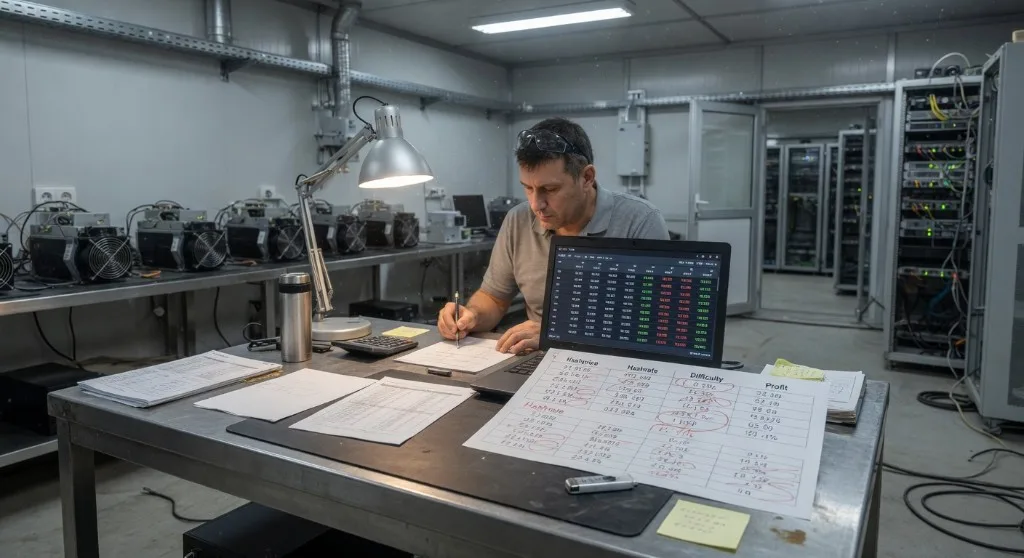
Hashprice formula, power breakeven, ASIC examples, and how to get net BTC/day in the POOL BTC calculator.
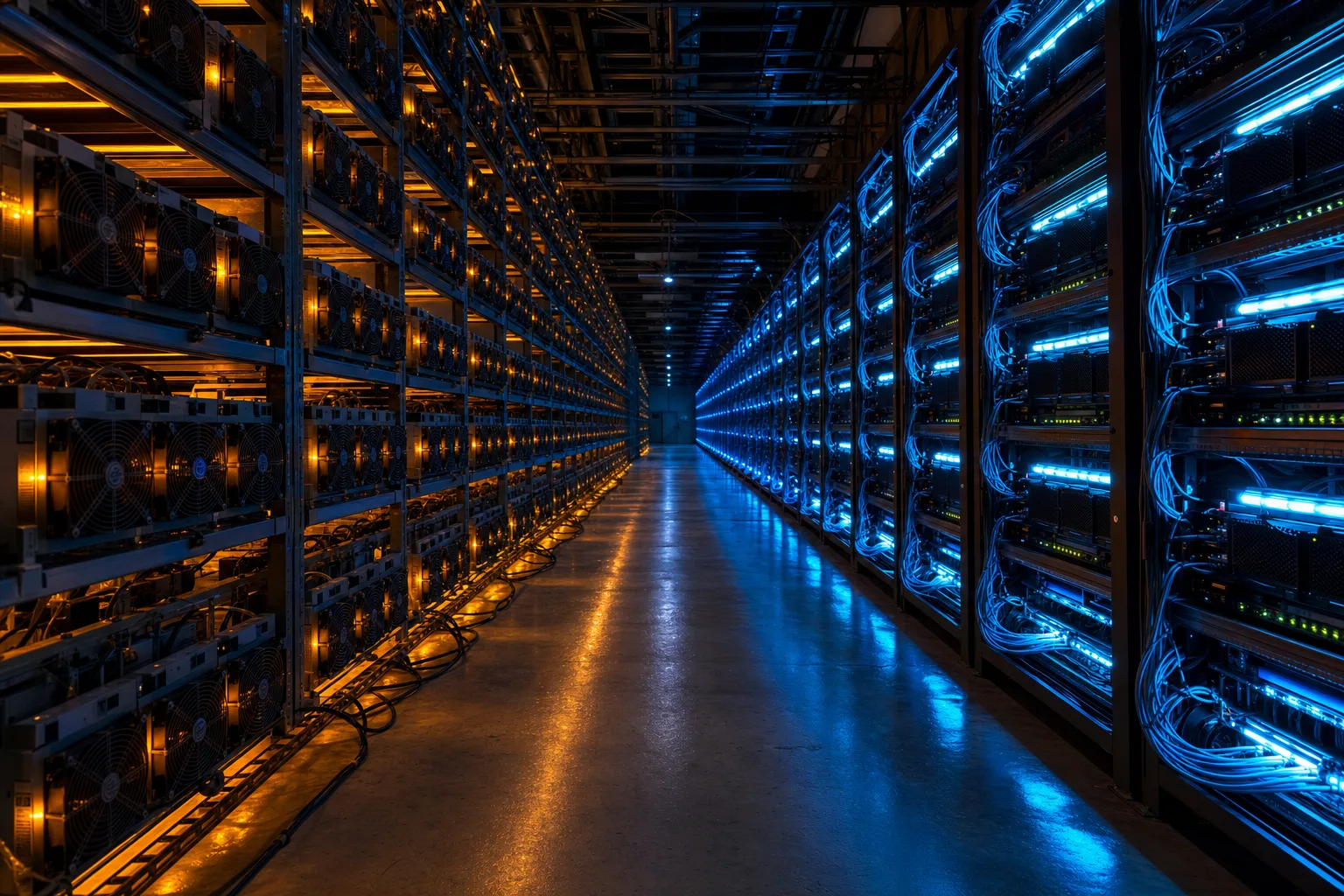
Why large operators shift capacity to AI/HPC, and how that affects FPPS pools, hashrate, and ASIC miner revenue in 2026.
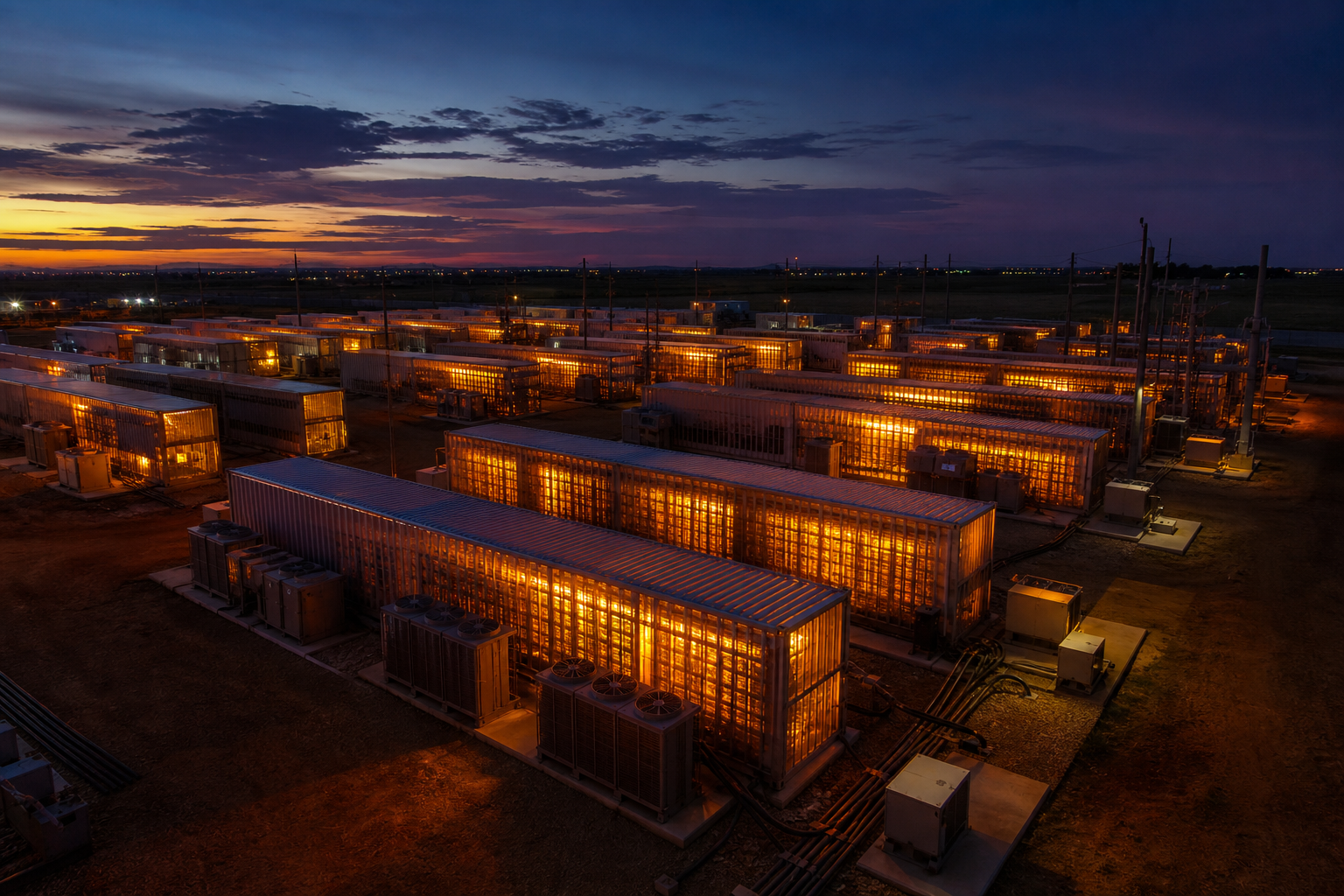
Network hashrate, ASIC profitability, difficulty and fees for May 2026, key industry events and what it means for miners.

FPPS vs PPLNS explained, Trustpool fee edge, pool table, SOLO, taxes, and practical picks.
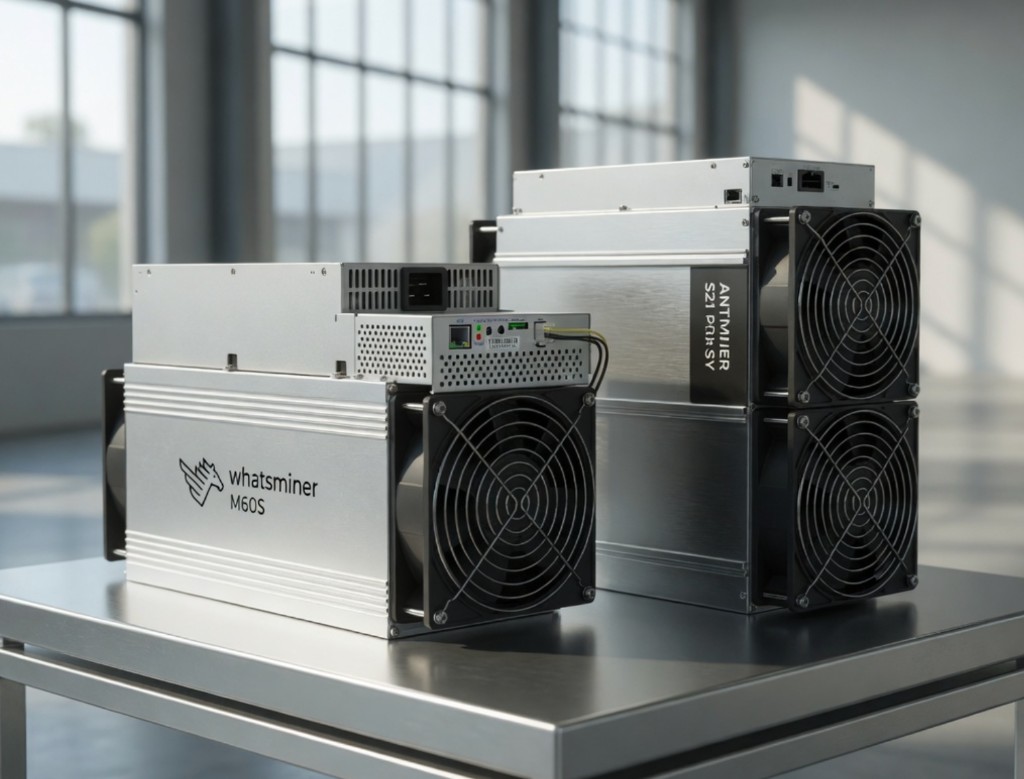
Eight-criteria table, efficiency and payback charts, final verdict for farms and home mining.

Post-halving economics, power rates, ASIC efficiency, ROI models, charts, and a full FAQ.
A full comparison of two prediction market platforms: fees, liquidity, risks, and practical strategies.
Long-form market and ROI review with corrected metrics and no FAQ section at the end.
Payout schemes, pool comparison, connecting ASIC via Stratum, payouts and security.

How exchanges and exchangers differ, CEX vs DEX, how to choose a platform and use P2P safely.
How crypto cards work, card types, fees, security. Overview of Crypto.com.
Where to store crypto, hot and cold wallets, custodial vs non-custodial. Security and choice.
Key pool selection criteria.
How to pay with Binance Card safely and avoid keeping large amounts on it.
Cashback rate, payment and withdrawal limits, which currencies earn cashback.

Applying for Binance Card, funding from exchange balance and typical use cases.
Formulas, exchange rate and fees: converting BTC/day into familiar currency.
New ASICs, halvings, regulation and green energy - a short overview.
How to tell legitimate cloud mining from scams.
Rates, legality of connection and how to reduce risks with home mining.
When solo mining makes sense and what risks it involves.
How to estimate payback and what to check when buying hardware.
Why track network hashrate, where to get data and how it affects profitability.
Why Proof of Work mining still matters and how it differs from staking.
Fees, minimum payouts, reliability and server geography - what to look at first.
How mining works, why miners are needed and how they earn BTC rewards.
On the POOL BTC main page there is a profitability calculator and pool ranking. The «Ranking» section compares ASICs by profitability and efficiency. The «Wallets» section is about storing BTC.
Articles are updated when conditions change (halving, new products, regulation). Check pool and exchange sites for specific figures on rates and fees.