
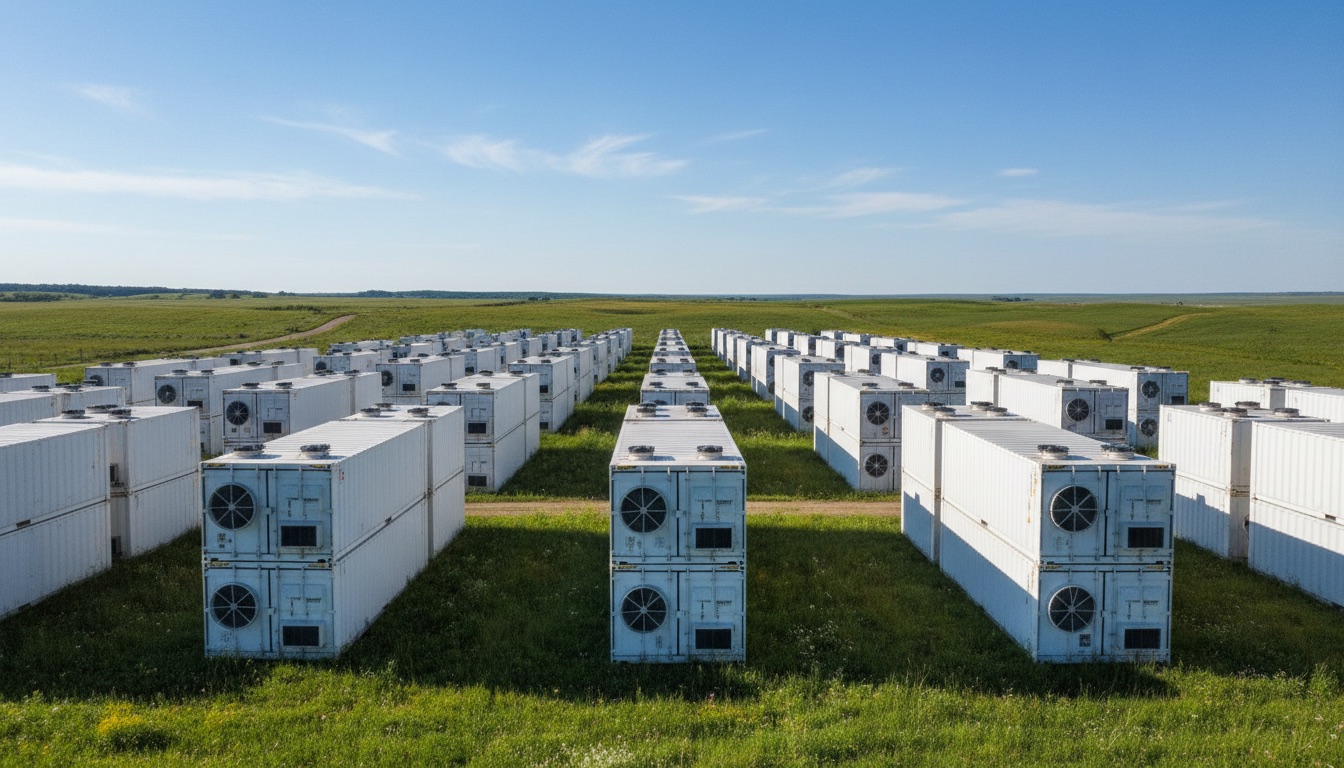
هاستینگ و کولوکیشن ماینرهای ASIC در ۲۰۲۶: تعرفهها، آپتایم، موقعیتها
دادهها در تاریخ 2026-08-20 از صفحات عمومی ارائهدهندگان و گزارشهای صنعتی جمعآوری شده است. تعرفه هاستینگ به دنبال قیمت عمده برق تغییر میکند، بنابراین پیش از امضای قرارداد همیشه رقم را دوباره از مدیر فروش بپرسید.
خلاصه
- دامنه تعرفههای all-in اعلامشده در جهان: تقریبا از $0.036 تا $0.10 به ازای هر کیلوواتساعت. مرز پایین تقریبا همیشه از زبان خود ارائهدهندگان و به شکل وعده تبلیغاتی میآید، مرز بالا واقعیت شمال اروپا را صادقانه نشان میدهد.
- آمریکا در بخش خرد در محدوده $0.06-0.09 به ازای کیلوواتساعت قرار دارد و تگزاس به لطف ERCOT تا $0.04-0.08 پایین میآید.
- ارزانترین برق بر اساس دادههای مروری: ایسلند (~$0.03)، کبک ($0.03-0.04)، پاراگوئه ($0.03-0.05)، اتیوپی و نیجریه ($0.04-0.057).
- هتلهای ماینینگ روسیه در بازه ۳٫۷ تا ۶٫۵ روبل بر کیلوواتساعت میمانند. تبدیل آن به دلار درست نیست: نرخ ارز در منابع ثبت نشده است.
- SLA صریح را انگشتشماری منتشر میکنند. Sazmining برای پاراگوئه ۹۰٪ و برای تگزاس ۹۵٪ مینویسد، Simple Mining از ۹۵٪+ میگوید، OneMiners اعلام میکند SLA پایهاش ۹۵٪+ است.
- آستانه ورود: با یک دستگاه Sazmining، Dahab Miners (امارات) و Abundant Mines کار میکنند. از ۱۰ دستگاه Terahash میپذیرد، DC Mining برای دستگاههای خارجی از ۱۰۰ عدد شروع میکند و RAX Mining گفتگو را از ۱ مگاوات آغاز میکند.
جدول مقایسه ارائهدهندگان
| ارائهدهنده | تعرفه | موقعیت | آنچه شامل میشود | حداقل حجم |
|---|---|---|---|---|
| Sazmining | $0.059 بر کیلوواتساعت (پاراگوئه)، $0.062 بر کیلوواتساعت (تگزاس) | پاراگوئه (برقآبی)، تگزاس (بادی) | برق به قیمت تمامشده بهعلاوه کارمزد خدمات ۱۵٪ از BTC استخراجشده | ۱ دستگاه (ASIC خودشان را میفروشند) |
| Compass Mining | $0.06-0.07 بر کیلوواتساعت | چند سایت در آمریکا | در صفحه مقایسه جزئیاتی نیامده است | ماهبهماه، بدون قرارداد بلندمدت |
| Blockware Solutions | $0.07-0.08 بر کیلوواتساعت | کنتاکی، تگزاس | هزینه راهاندازی شامل است | قرارداد از ۱۲ ماه |
| SAZ Mining (ایتایپو) | ~$0.047 بر کیلوواتساعت طبق جمعبندی spark.money؛ توضیح زیر را ببینید | پاراگوئه | هزینه راهاندازی شامل است | قرارداد از ۱۲ ماه |
| Abundant Mines | ~$225 برای هر دستگاه در ماه (معادل ~$0.064 بر کیلوواتساعت برای S21 Pro) | اورگان (برقآبی) | برق، خنکسازی، سرویس، بیمه و اینترنت در تعرفه ثابت | ماهبهماه، بدون ودیعه |
| EZ Blockchain | $0.065-0.085 بر کیلوواتساعت | اوکلاهما، تگزاس | خنکسازی هوایی و کانتینری | ۱۲ ماه، راهاندازی $30 برای هر ماینر |
| Terra Hosting | از $0.075 بر کیلوواتساعت | تگزاس | خنکسازی هوایی | ۶ ماه، راهاندازی $100 برای هر ماینر |
| RAX Mining | از $0.065 بر کیلوواتساعت (صفحه اصلی)، از $0.075 بر کیلوواتساعت (صفحه هاستینگ) | شمالغرب، جنوبغرب و غرب میانه آمریکا، بیش از ۳۰ مگاوات | برق، خنکسازی، حفاظت، مانیتورینگ، سرویس | از ۱ مگاوات، شرایط بهصورت موردی |
| Simple Mining | $0.08 Starter (۰ تا ۴۹۹ کیلووات)، $0.075 Premium (۵۰۰ تا ۹۹۹ کیلووات)، $0.07 Enterprise (۱۰۰۰+ کیلووات)؛ از $0.065 در بسته ترکیبی | آیووا، Cedar Falls، ۱۰ سایت | مانیتورینگ ۲۴/۷، حفاظت، خنکسازی، پشتیبانی، ۱۲ ماه اول تعمیرات رایگان | بر اساس سطح |
| OneMiners | نرخ ثابت ۷ ساله، بنا بر دادههای ارائهدهنده: نیجریه $0.0364، اتیوپی $0.0399، امارات $0.0420، آمریکا گازی $0.0553، آمریکا برقآبی و تگزاس $0.0455، فنلاند و نروژ $0.0448، پاراگوئه و برزیل $0.0483، قزاقستان $0.0490، کانادا $0.0476 | ۲۰ سایت در ۶ کشور | برق پیشپرداختشده برای کل مدت قرارداد، SLA پایه ۹۵٪+ | اعلام نشده |
| Dahab Miners | امارات از $0.06 بر کیلوواتساعت، اتیوپی از $0.05 بر کیلوواتساعت | ابوظبی؛ اتیوپی (برقآبی، ۱۰ مگاوات) | برق؛ راهاندازی در امارات ~$75، در اتیوپی بدون هزینه راهاندازی | امارات از ۱ دستگاه، اتیوپی از ۵۰ دستگاه |
| Terahash Solutions | امارات $0.075 (۱۲ ماه)، فنلاند $0.10 (۱۲ ماه)، اتیوپی $0.057 (۲۴ ماه) | امارات، فنلاند، اتیوپی | برق با تعرفه ثابت برای کل مدت قرارداد | از ۱۰ دستگاه ASIC؛ نشانی سایتها پس از امضا اعلام میشود |
| DC Mining (روسیه) | ۵٫۵ تا ۵٫۹ روبل بر کیلوواتساعت با احتساب مالیات بر ارزش افزوده | روسیه، محل سایت مشخص نشده | حفاظت، نظارت تصویری | از ۳ دستگاه در صورت خرید ASIC از خودشان؛ از ۱۰۰ دستگاه برای تجهیزات خارجی |
| MinerWorld (روسیه) | از ۵٫۵ روبل بر کیلوواتساعت با مالیات بر ارزش افزوده بهعلاوه کارمزد خدمات | چلیابینسک، سنپترزبورگ، مورمانسک | تعرفه صنعتی، مانیتورینگ، تمیزکاری هر ۲ ماه یکبار، تعویض فنها | اعلام نشده |
| GIS Mining (روسیه) | ۳٫۶۷ تا ۶٫۲ روبل بر کیلوواتساعت | روسیه | سنسورهای دما، نظارت تصویری، مانیتورینگ، خرید انرژی در بازار عمده | بهصورت موردی |
| Intelion (روسیه) | ۵٫۵ روبل بر کیلوواتساعت، طرح تشویقی با تثبیت ۶ ماهه | سامارا | جزئیاتی اعلام نشده | از ۲۰ دستگاه |
درباره ردیف SAZ Mining با $0.047: این رقم از جدول جمعبندی spark.money میآید و با لیست قیمت سایت رسمی Sazmining ($0.059 برای پاراگوئه) نمیخواند. اینکه کدامیک بهروز است از منابع باز قابل تشخیص نیست، بنابراین هر دو کنار هم آورده شدهاند. باید از خود ارائهدهنده پرسید.
ارقام OneMiners از انتشارات خودشان گرفته شده است، یعنی ادعای ارائهدهنده است و نه لیست قیمت مستقلا بررسیشده. تثبیت هفتساله تعرفه کم پیش میآید و بررسی حقوقی جداگانه قرارداد را لازم دارد.
قیمت بر اساس استعلام
بخشی از سایتهای شناختهشده اصلا قیمتی منتشر نمیکنند. این در بخش عمدهفروشی طبیعی است، اما نمیتوان آنها را با هاستینگ خرد در یک ستون مقایسه کرد.
- Sabre56، وایومینگ. تعرفه توافقی است، یعنی بهصورت موردی مذاکره میشود.
- Riot Platforms / Whinstone، راکدیل، تگزاس، سایتی با بیش از ۷۰۰ مگاوات. با مشتریان نهادی کار میکنند و ارقامی در دسترس عموم نیست.
- LeoMining، روسیه. در سایت همزمان «از ۵٫۸ روبل بر کیلوواتساعت» و «از ۳٫۶ روبل بر کیلوواتساعت با احتساب مالیات بر ارزش افزوده» درج شده و معلوم نیست کدام بهروز است. رقم نهایی را مدیر فروش بر اساس درخواست محاسبه میکند.
- ValueHash، نبراسکا، کانزاس، نیویورک. بازه بازار را $0.05-0.08 بر کیلوواتساعت اعلام میکند اما تعرفه خودش را فاش نمیکند.
- PromMiner، روسیه. در یکی از صفحات به ۶ روبل بر کیلوواتساعت اشاره شده، اما لیست قیمت کامل و شرایط قرارداد وجود ندارد.
تفکیک بر اساس منطقه
اینجا دیگر بحث تعرفه هاستینگهای مشخص نیست، بلکه بازههای کلی صنعتی است. تعرفه all-in واقعی نزد ارائهدهنده همیشه بالاتر است: خنکسازی، حفاظت، سرویس و حاشیه سود روی آن سوار میشود.
| منطقه | تعرفه صنعتی، دلار بر کیلوواتساعت |
|---|---|
| آمریکا، کولوکیشن خرد all-in | 0.06-0.09 |
| تگزاس (ERCOT) | 0.04-0.08 |
| آیووا، وایومینگ، جورجیا، داکوتای شمالی | 0.05-0.08 |
| پاراگوئه (ایتایپو، برقآبی) | 0.03-0.05 |
| کبک، کانادا (برقآبی) | 0.03-0.04 |
| ایسلند | ~0.03 |
| قزاقستان | 0.03-0.07 (پراکندگی بین منابع) |
| نیجریه | 0.04 |
| اتیوپی | 0.045-0.057 |
| امارات | 0.06-0.075 |
| روسیه، هتلهای ماینینگ | ۳٫۷ تا ۶٫۵ روبل بر کیلوواتساعت |
آمریکای شمالی
آمریکا پیشبینیپذیری و حوزه قضایی روشن میدهد، اما بهایش را میگیرد: بخش خرد در $0.06-0.09 میماند. تگزاس به دلیل ERCOT و فراوانی باد جذابتر از بقیه است و کف $0.04 از آنجا میآید. البته این هم بهایی دارد: پیکهای تابستانی و برنامههای کاهش بار به آپتایم واقعی ضربه میزنند، نه به تعرفه. کبک با برقآبی ارزانترین نقطه منطقه به نظر میرسد، اما سهمیه اتصال آنجا محدود است.
آمریکای لاتین
پاراگوئه با ایتایپو زندگی میکند و ارقام $0.03-0.05 واقعا در گزارشها دیده میشود. Sazmining در عین حال برای سایت پاراگوئه صادقانه SLA ۹۰٪ میگذارد که از ۹۵٪ تگزاس پایینتر است. اختلاف پنج واحد درصدی در بازه یک سال به حدود هجده روز توقف تبدیل میشود و روی کیلووات ارزان این رقم محسوس است.
آفریقا و خاورمیانه
اتیوپی در حال حاضر از نظر قیمت جذابترین مقصد است: Dahab Miners از $0.05 میدهد و Terahash با قرارداد ۲۴ ماهه $0.057. هر دو تعرفه بر برقآبی تکیه دارند. آستانه ورود بالاتر از میانگین است، Dahab از ۵۰ دستگاه میپذیرد. در امارات گرانتر است، $0.06-0.075، اما لجستیک، بانک و گمرک آنجا سادهتر است. نیجریه بنا بر دادههای OneMiners رقم $0.0364 را نشان میدهد که پایینترین عدد کل این نمونه است و همین بهتنهایی دلیلی برای بررسی جداگانه آن است.
شمال اروپا
فنلاند نزد Terahash $0.10 به ازای کیلوواتساعت است، گرانترین مورد فهرست. در عوض هوای سرد تقریبا در تمام سال، شبکه پایدار و حوزه قضایی اتحادیه اروپا را میگیرید. OneMiners برای فنلاند و نروژ $0.0448 اعلام میکند، اما این هم باز رقم خود ارائهدهنده است و دو برابر پایینتر از قیمت مستقلا تاییدشده Terahash برای همان کشور است.
روسیه و قزاقستان
هتلهای روسی ۳٫۷ تا ۶٫۲ روبل بر کیلوواتساعت نزد GIS Mining و ۵٫۵ تا ۵٫۹ روبل نزد DC Mining میدهند، MinerWorld از ۵٫۵ روبل بهعلاوه کارمزد خدمات. همه ارقام با مالیات بر ارزش افزوده هستند، جز مواردی که منبع چیزی نگفته است. تبدیل به دلار در این مقاله عمدا انجام نشده: نرخ ارز در منابع ثبت نشده و با نوسان کنونی چنین تبدیلی زودتر از خود تعرفه کهنه میشود. درباره چارچوب مقرراتی و ممنوعیتهای منطقهای در یک بررسی جداگانه بیشتر آمده است.
برای هر کسی چه مناسب است: سه پروفایل
۱ دستگاه ASIC
با یک دستگاه انتخاب محدود است. از این نمونه، برای یک واحد Sazmining (که البته باید ASIC را از خودشان بخرید)، Dahab Miners در امارات و Abundant Mines در اورگان کار میکنند. مورد آخر با تعرفه ثابت راحت است: حدود $225 در ماه برای هر دستگاه که برق، خنکسازی، سرویس، بیمه و اینترنت را در خود دارد و ودیعهای هم نمیخواهد. برای یک S21 Pro این معادل حدود $0.064 بر کیلوواتساعت است، یعنی رکورددار ارزانی نیست، اما در صورتحساب غافلگیری هم ندارد.
مدل Sazmining جور دیگری است: برق به قیمت تمامشده و ارائهدهنده ۱۵٪ از بیتکوین استخراجشده را برمیدارد. با رشد قیمت BTC مبلغ مطلق پرداختی شما بیشتر میشود و با افت آن کمتر. این در عمل یک اختیار معامله است نه اجاره، و باید جدا از تعرفههای دلاری حساب شود.
گزینه خانگی را هم نباید کنار گذاشت: اگر برق شما چهار تا پنج روبل به ازای کیلووات است و جایی برای مهار صدا دارید، اصلا نیازی به هاستینگ نیست. محاسبه هر دو سناریو در ماشینحساب سودآوری راحت است.
۱۰ دستگاه
اینجا بازار اصلی باز میشود. Terahash از ۱۰ دستگاه ASIC میپذیرد، Dahab برای اتیوپی از ۵۰ دستگاه، Simple Mining در سطح Starter (تا ۴۹۹ کیلووات) $0.08 میخواهد. ده دستگاه Antminer S21 XP Hyd هرکدام ۵۶۷۶ وات یعنی حدود ۵۷ کیلووات، پس تضمینا در گرانترین سطح همه کسانی هستید که قیمت را بر اساس توان تقسیم میکنند.
روی همین دستگاه حساب کنیم. S21 XP Hyd مصرف ۵۶۷۶ وات دارد و در کار پیوسته یعنی ۵٫۶۷۶ کیلووات در ۷۲۰ ساعت، حدود ۴۰۸۷ کیلوواتساعت در ماه. ده دستگاه تقریبا ۴۰٬۸۷۰ کیلوواتساعت میدهند. یک سنت اختلاف در تعرفه ($0.07 در برابر $0.08) به حدود $409 در ماه تبدیل میشود. محاسبه بر پایه آپتایم ۱۰۰٪ است؛ با ۹۵٪ واقعی ارقام به همان نسبت پایین میآیند. در این حجم جای چانهزنی تقریبا نیست، اما میتوان بر اساس شرایط سرویس انتخاب کرد. مثلا نزد Simple Mining ۱۲ ماه اول تعمیرات رایگان است و برای ده دستگاه این بیمه محسوسی است.
جداگانه بررسی کنید که صورتحساب چطور محاسبه میشود. Simple Mining بر اساس توان nameplate یعنی توان پلاک صورتحساب میدهد، نه مصرف واقعی. اگر دستگاهها را آندرولت کنید، صرفهجویی برق اصلا به شما نمیرسد.
بیش از ۱۰۰ دستگاه
از صد دستگاه به بالا دیگر عمدهفروش هستید و لیست قیمتهای عمومی معنایشان را از دست میدهند. Simple Mining در سطح Enterprise (۱۰۰۰+ کیلووات) $0.07 میدهد، RAX Mining اصلا گفتگو را از ۱ مگاوات آغاز میکند و شرایط را بهصورت موردی حساب میکند. Sabre56 و Riot اصولا ارقامی منتشر نمیکنند.
در این حجم سه چیز از تعرفه مهمتر است: شکل حقوقی قرارداد، اینکه ریسک قطعی برق بر عهده کیست و اینکه انتقال مالکیت تجهیزات در صورت ورشکستگی سایت چطور تنظیم شده است. سرگذشت Compass Mining و دیگر هاستینگهای سالهای گذشته نشان داد کیلووات ارزان نجاتتان نمیدهد اگر دستگاههایتان فیزیکا در ساختمان دیگری بدون وضعیت حقوقی روشن ایستاده باشند.
پرسشهایی که بیشتر از همه پرسیده میشوند
هاستینگ ASIC در سال ۲۰۲۶ واقعا چقدر هزینه دارد؟
تعرفههای all-in عمومی تقریبا بین $0.036 و $0.10 به ازای کیلوواتساعت قرار دارند. مرجع واقعبینانه برای مشتری خرد در آمریکا: $0.06-0.09. ارزانتر از $0.05 در اتیوپی، پاراگوئه، نیجریه و بخشی از سایتهای روسیه پیدا میشود، اما آنجا یا حداقل حجم بالاتر است، یا آپتایم اعلامشده پایینتر، یا حوزه قضایی پیچیدهتر.
تعرفه all-in یعنی چه و چه چیزهایی شامل آن میشود؟
All-in قیمت هر کیلوواتساعت است که ارائهدهنده برق، خنکسازی، حفاظت، مانیتورینگ و سرویس پایه را در آن گنجانده است. استاندارد واحدی وجود ندارد: نزد Abundant Mines حتی بیمه و اینترنت هم داخل آن رفته، Dahab Miners در امارات جداگانه حدود $75 برای راهاندازی میگیرد، EZ Blockchain $30 برای هر ماینر و Terra Hosting $100. همیشه فهرست موارد مستثنا را بپرسید.
چه آپتایمی برای هاستینگ عادی به شمار میرود؟
SLA را کمتر کسی علنی میکند. Sazmining برای پاراگوئه ۹۰٪ و برای تگزاس ۹۵٪ ذکر میکند، Simple Mining از ۹۵٪+ میگوید، OneMiners SLA پایه ۹۵٪+ اعلام میکند. مرجع مذاکره: ۹۵٪. اختلاف بین ۹۵٪ و ۹۹٪ در بازه یکساله تقریبا چهارده روز و نیم توقف است که معمولا بر برد نیمسنتی روی کیلووات میچربد.
هاستینگ یا ماینینگ خانگی: کدام ارزانتر است؟
ماینینگ خانگی فقط وقتی از نظر پولی برنده است که تعرفه صنعتی یا ترجیحی داشته باشید و مسئله صدا و گرما حل شده باشد. هاستینگ آنقدر که کیلووات میخرد، نبود صدا در آپارتمان، خنکسازی و مانیتورینگ شبانهروزی میخرد. با تعرفه خانگی خرد، هاستینگ تقریبا همیشه ارزانتر است و با اتصال صنعتی شخصی تقریبا همیشه گرانتر.
هاستینگ چطور بر انتخاب پول اثر میگذارد؟
مستقیما هیچ، و درک این نکته مهم است. ارائهدهنده توان و جای رک را به شما میفروشد و اینکه ورکر به کجا هدایت شود را خودتان تصمیم میگیرید. برخی سایتها پول خودشان را بهصورت پیشفرض پیشنهاد میدهند، اما این یک پیکربندی است نه تعهد. طرح پرداخت و کارمزد را جداگانه و بر اساس مقایسه پولها انتخاب کنید.
آیا میشود سودآوری را مستقیما بر اساس تعرفه هاستینگ حساب کرد؟
نه. تعرفه هزینه کیلوواتساعت را میدهد، اما سودآوری واقعی به سختی شبکه، کارمزد پول، طرح پرداخت و مصرف واقعی مدل شما هم بستگی دارد که با مصرف پلاک فرق میکند. تعرفه خودتان را در ماشینحساب بگذارید و با آنچه گزارشهای ماهانه پولها نشان میدهند مقایسه کنید.
پیش از امضا چه چیزهایی را بررسی کنید
- تعرفه را با ایمیل برای تاریخ روز استعلام کنید. همه ارقام این مقاله در 2026-08-20 جمعآوری شده و دقیقا تا بازنگری بعدی قیمتهای عمده اعتبار دارند.
- درباره فرمول صدور صورتحساب بپرسید: بر پایه مصرف واقعی یا nameplate.
- SLA را در متن قرارداد بخواهید نه در لندینگ، و بپرسید ارائهدهنده هنگام کسری آپتایم چه میکند.
- مشخص کنید پس از سال اول چه کسی هزینه تعمیر و تعویض منبع تغذیه را میدهد.
- بررسی کنید که آیا نشانی سایت پیش از امضا اعلام میشود. نزد Terahash مثلا نشانیها فقط پس از قرارداد داده میشود.
- لجستیک و گمرک را در نظر بگیرید. برای اتیوپی و نیجریه حمل و ترخیص بخشی از برد تعرفهای را میبلعد.
ادامه مطلب
- هاستینگ ماینرها در ۲۰۲۶: چطور دیتاسنتر مناسب ASIC را انتخاب کنیم درباره معیارهای انتخاب سایت
- کجا ASIC را هاست کنیم: تعرفههای کولوکیشن و آنچه شامل میشود با تحلیل ساختار صورتحساب
- مقایسه پولهای بیتکوین در اوت ۲۰۲۶ درباره اینکه پس از استقرار هشریت را به کجا بفرستید
- ماشینحساب سودآوری برای وارد کردن تعرفه خودتان
- مقایسه پولها بر اساس کارمزدها و طرحهای پرداخت
دادهها در 2026-08-20 بررسی شده است. تعرفهها و شرایط ارائهدهندگان تغییر میکند، پیش از معامله با منبع اصلی تطبیق دهید.