
የBitcoin ማዕድን መዝገበ ቃላት፡ በፑል ስታቲስቲክስና በኤሌክትሪክ ሂሳብ ላይ የሚያጋጥሙ 33 ቃላት
ከዚህ በታች ያሉት ቃላት በርዕስ ተከፋፍለዋል፣ በእያንዳንዱ ቡድን ውስጥ በፊደል ተራ ተቀምጠዋል። እያንዳንዱ ትርጓሜ ከቀሪው ጽሑፍ ተነጥሎ ተነብቦ ያለቅድመ ታሪክ እንዲገባ ተደርጎ ተጽፏል። የተጠቀሱት ቁጥሮች ከራሳችን ትንተናዎች ብቻ የተወሰዱ ናቸው፣ የኔትወርኩ ቅጽበታዊ ምስል ቀን ተጠቅሶ፡ የነሐሴ 2026 የኔትወርክ ምስል ከፑሎችን በተጣራ ገቢ ማወዳደር እና የክፍያ መርሃግብሮች መለኪያዎች ከPPS፣ FPPS፣ PPLNS እና TIDES ትንተና።
ኔትወርክና ብሎኮች
Coinbase (የcoinbase ግብይት)
የእያንዳንዱ ብሎክ የመጀመሪያ ግብይት፣ ማዕድን አውጪው በዚህ አዲስ ሳንቲሞችን ፈጥሮ ተቀባዮቹን የሚሰይምበት። ድጎማውና የብሎኩ ግብይት ክፍያዎች በውስጡ ይካተታሉ። አንዳንድ ፑሎች ለተሳታፊዎች በቀጥታ ከcoinbase ይከፍላሉ፣ ማለትም ገንዘቡ በፑል ላይ ያለውን ቀሪ ሂሳብ ሳያልፍ ከብሎኩ ወደ ማዕድን አውጪው ይሄዳል። ተመሳሳይ ስም ካለው አሜሪካዊ ልውውጥ ጋር መደባለቅ የለበትም።
Halving (ሃልቪንግ)
የብሎክ ድጎማ በእቅድ በእጥፍ መቀነሱ፣ በየ210 000 ብሎክ ማለትም በግምት በየአራት ዓመቱ አንዴ የሚከሰት። አሁን ድጎማው 3.125 BTC ነው። ከቀጣዩ ሃልቪንግ በኋላ ተመሳሳይ የተገኘ የኔትወርክ ድርሻ በግማሽ ያነሱ ሳንቲሞችን ያመጣል፣ ስለዚህ እርሻው አሁንም ወጪውን የሚመልስበት የኤሌክትሪክ ታሪፍ ገደብ ወደታች ይንቀሳቀሳል።
Difficulty (አስቸጋሪነት)
ኔትወርኩ ብሎኩን እንዲቀበል የብሎኩ ሃሽ ምን ያህል ትንሽ መሆን እንዳለበት የሚወስን የኔትወርክ መለኪያ። ብሎክ በግምት በየአስር ደቂቃው እንዲገኝ በየ2016 ብሎክ እንደገና ይሰላል። በነሐሴ 2026 ምስል ላይ አስቸጋሪነቱ 127 479 855 693 691 ነበር። ወቅታዊ እሴቶችና እንቅስቃሴ በየኔትወርክ አስቸጋሪነት ክፍል ተሰብስበዋል።
Orphan block (ኦርፋን፣ ጊዜው ያለፈበት ብሎክ)
ማዕድን አውጪው ወይም ፑሉ በትክክል ያገኘው ግን ኔትወርኩ ያልተቀበለው ብሎክ፡ በተመሳሳይ ከፍታ ላይ ያለ ሌላ ብሎክ በኖዶች መካከል ቀድሞ ተሰራጭቷል። ለኦርፋን ምንም ሽልማት የለም፣ ድጎማም ሆነ ክፍያ። በPPS እና FPPS ላይ ኦርፋኖች የማዕድን አውጪውን ገቢ አይነኩም፣ አደጋውን ፑሉ ይሸከማል።
Subsidy (የብሎክ ድጎማ)
ኔትወርኩ ከእያንዳንዱ ብሎክ ጋር የሚያወጣቸው አዲስ ሳንቲሞች። በነሐሴ 2026 ይህ 3.125 BTC ነው። ድጎማውና የግብይት ክፍያዎች በአንድነት የብሎክ ሽልማቱን ይመሰርታሉ። በዚያው ወቅት ክፍያዎቹ በመጨረሻዎቹ 4320 ብሎኮች መሠረት ከድጎማው 0.70% ገደማ ነበሩ፣ ማለትም የማዕድን አውጪው ገቢ ዋና ክፍል ከአዲስ ልቀት ይመጣ ነበር።
ሃሽሬትና ኢኮኖሚ
Break-even (የኪሳራ አልባነት ነጥብ)
የማዕድን አውጪው ገቢ ከወጪው ጋር የሚስተካከልበት እሴት። ብዙውን ጊዜ በሁለት መልኩ ይሰላል፡ በአሁኑ የBTC ዋጋ ላይ ያለው ከፍተኛ የኤሌክትሪክ ታሪፍ እና በሚታወቅ ታሪፍ ላይ ያለው ከፍተኛ የBTC ዋጋ። በኪሎዋት·ሰዓት 0.12 ዶላር ታሪፍ ላይ የቤት ውስጥ 100 TH/s በነሐሴ ምስል 3.01 ዶላር አምጥቷል በ3.46 ዶላር ወጪ ላይ፣ ማለትም በኪሳራ ይሠራ ነበር።
Hashprice (ሃሽፕራይስ)
በቀን በአንድ የሃሽሬት አሃድ የሚጠበቅ ገቢ፣ ብዙውን ጊዜ በTH/s ላይ በዶላር። መለኪያው የBTC ዋጋን፣ የኔትወርክ አስቸጋሪነትን፣ ድጎማንና የግብይት ክፍያዎችን ወደ አንድ ቁጥር ያሰባስባል፣ ስለዚህ «ገበያው ለአቅሜ ምን ያህል ይከፍላል» ለሚለው ጥያቄ ከBTC ምንዛሪ ራሱ በተሻለ ይመልሳል። በእርስዎ መረጃ ላይ የተመሠረተ ስሌት በየትርፋማነት ካልኩሌተር ውስጥ አለ።
Hashrate (ሃሽሬት)
መሣሪያው ሃሾችን የሚያመነጭበት ፍጥነት፣ በTH/s፣ PH/s እና EH/s ይለካል። የማዕድን አውጪው በፑሉ አጠቃላይ የሥራ ፍሰት ውስጥ ያለው ድርሻ፣ ስለዚህም የሽልማት ድርሻው በእሱ ላይ ይወሰናል። በፑል በይነገጽ የሚታየው ሃሽሬት ሁልጊዜ ግምታዊ ነው፡ ፑሉ በቀጥታ አይለካውም፣ በተቀበላቸው ሼሮች ፍሰት ያሰላዋል።
Luck (የፑል ዕድል)
ፑሉ በተጨባጭ ያገኛቸው ብሎኮች በዚያው ወቅት በስታቲስቲክስ ከሚጠበቀው ቁጥር ጋር ያለው ጥምርታ። ከ100% በላይ የሆነ እሴት ከተጠበቀው በላይ ብሎኮች መገኘታቸውን ያሳያል። በረዥም ጊዜ ዕድል ወደ 100% ያዘነብላል። በPPS እና FPPS ላይ የማዕድን አውጪውን ገቢ ከሞላ ጎደል አይነካም፣ ምክንያቱም ፑሉ ከብሎኮች ነጻ በሆነ ተመን ይከፍላል።
Network hashrate (የኔትወርክ ሃሽሬት)
የሁሉም የBitcoin ማዕድን አውጪዎች ጠቅላላ ግምታዊ አቅም። በነሐሴ 2026 ምስል ይህ 933.99 EH/s ነው። የኔትወርክ ሃሽሬቱ ከፍ ባለ ቁጥር በተመሳሳይ መሣሪያ የግለሰቡ ማዕድን አውጪ ድርሻ ያንሳል፣ የBTC ዋጋ ሳይለወጥ ገቢውም ይቀንሳል። መጠኑ በቀጥታ አይለካም፣ ከብሎኮች መገኛ ጊዜ ይወጣል።
Variance (የገቢ መበታተን)
የተጨባጭ ክፍያዎች በሒሳባዊ ግምት ዙሪያ መበታተናቸው። ብሎክ የመፈለግ አጋጣሚያዊ ባህሪ ያስከትለዋል። ሃሽሬቱ ባነሰና ፑሉ ብሎኮችን ባነሰ ቁጥር ባገኘ መጠን ክፍያዎች ከወቅት ወቅት የበለጠ ይዋዥቃሉ። የPPS እና FPPS መርሃግብሮች መበታተኑን ወደ ፑሉ ያስተላልፋሉ፣ PPLNS እና SOLO ደግሞ ለማዕድን አውጪው ይተውታል።
ከፑል ጋር መሥራት
Pool hopping (በፑሎች መካከል መዝለል)
ጊዜያዊ ምቹ ሁኔታዎችን ፍለጋ ፑልን አዘውትሮ የመቀየር ልማድ። በPPLNS ላይ እንዲህ ያለው ቅያሪ የተከማቸውን የሼር መስኮት ዋጋ ያሳጣል፡ ማዕድን አውጪው አስተዋጽኦው በተገኘ ብሎክ ውስጥ ውጤት ከማምጣቱ በፊት ይሄዳል። እንደ PPS+ እና ረዥም መስኮት ያለው PPLNS ያሉ መርሃግብሮች መዝለሉ እንዳይከፍል ተብለው የተገነቡ ናቸው።
Share (ሼር፣ ድርሻ)
ማዕድን አውጪው የሠራውን ሥራ ማረጋገጫ አድርጎ ለፑሉ የሚልከው ዝቅ ያለ አስቸጋሪነት ያለው መፍትሔ። ሼር ብሎክ አይደለም፣ ግን መሣሪያው በእውነት እየሠራ መሆኑን ያረጋግጣል። ፑሉ የተሳታፊውን ሃሽሬት ለመገመትና ሽልማቱን ለማከፋፈል የሼር ፍሰቱን ይጠቀማል። አንዳንዴ ሼር የኔትወርክ ብሎክ ለመሆን በቂ ጥሩ ሆኖ ይገኛል።
Stale share (ጊዜው ያለፈበት ሼር)
ጊዜው ባለፈበት የብሎክ አብነት ላይ የተሰላ ሼር፡ ማዕድን አውጪው እያሰላ ሳለ ኔትወርኩ አዲስ ብሎክ ተቀብሏል። ፑሎች እንደዚህ ያሉ ሼሮችን አብዛኛውን ጊዜ አይከፍሉም። ቋሚ ከፍተኛ የstale መቶኛ ወደ ፑሉ አገልጋይ ያለ መዘግየትን፣ የኔትወርክ ችግርን ወይም አዲስ ሥራዎችን በጣም አልፎ አልፎ መላክን ያመለክታል።
Stratum
ማዕድን አውጪው ከፑሉ ጋር የሚነጋገርበት ፕሮቶኮል፡ የሥራ ተልእኮ ይቀበላል፣ ሼሮችንም ይልካል። የStratum V2 ስሪት ምስጠራን ይጨምራል እንዲሁም ማዕድን አውጪው ከፑሉ ዝግጁ የሆነ አብነት ከመቀበል ይልቅ የብሎክ አብነቱን ራሱ እንዲያዘጋጅ ያስችለዋል። የግብይት ምርጫ ያለማዕከልነት ለእርስዎ አስፈላጊ ከሆነ የV2 ድጋፍን ማረጋገጥ ተገቢ ነው።
Uptime (አፕታይም)
መሣሪያው ወይም የፑሉ አገልጋይ በተጨባጭ የሚሠራበት የጊዜ ድርሻ። የማዕድን አውጪው መቆም በዚያ ጊዜ ውስጥ ቀጥተኛ የገቢ ኪሳራ ማለት ነው። በፑል ላይ አማካይ ቁጥሩ ሳይሆን በመቋረጥ ጊዜ ያለው ባህሪ ይበልጥ አስፈላጊ ነው፡ ወደ መጠባበቂያ አገልጋይ በምን ያህል ፍጥነት እንደሚቀየርና ሼሮች እንደማይጠፉ።
Reject share (ውድቅ የተደረገ ሼር)
ፑሉ ያልተቀበለው ሼር፡ የተሳሳተ፣ ተደጋጋሚ፣ ጊዜው ባለፈበት ተልእኮ ላይ የተሰላ ወይም ከተወሰነው አስቸጋሪነት በላይ የሆነ። አነስተኛ የውድቀት መቶኛ በማንኛውም ፑል ላይ እንደ መደበኛ ይቆጠራል። ድንገተኛ ጭማሪ አብዛኛውን ጊዜ ስለ ማሞቅ፣ ከመጠን ያለፈ ኦቨርክሎኪንግ ወይም ደካማ ግንኙነት ይናገራል። ትክክለኛው የመደበኛነት ገደብ በፑሎች መካከል ይለያያል፣ ሰነዳቸውን ይመልከቱ።
Worker (ወርከር)
በፑል ላይ ባለው መለያ ውስጥ የግለሰብ መሣሪያ ሒሳብ፣ አብዛኛውን ጊዜ «መለያ.የመሣሪያ_ስም» በሚል መልክ። ወርከሮች የእያንዳንዱን ASIC ስታቲስቲክስ ለብቻው ለማየትና የቱ ማሽን እንደቆመ ወይም ብዙ ውድቅ ሼር እንደሚሰጥ ለመረዳት ያስፈልጋሉ። ክፍያዎች ግን በእያንዳንዱ ወርከር ሳይሆን ወደ አጠቃላይ የመለያው ቀሪ ሂሳብ ይሄዳሉ።
የክፍያ መርሃግብሮች
የሁሉም ስድስቱ መርሃግብሮች ዝርዝር ትንተና ከሒሳብ ጋር በየማዕድን ፑሎች የክፍያ መርሃግብሮች ላይ በተለየ ጽሑፍ ውስጥ ይገኛል።
FPPS (Full Pay Per Share)
ፑሉ ለተቀበለው ሼር ቋሚ ተመን የሚከፍልበትና በዚያ ላይ አማካይ የግብይት ክፍያዎችን ድርሻ የሚጨምርበት መርሃግብር። የማዕድን አውጪው ገቢ ፑሉ በዚህ ወቅት ብሎክ አግኝቶ አላገኘ ከሞላ ጎደል አይወሰንም። የውድቀት አደጋውን ፑሉ ራሱ ይወስዳል፣ ስለዚህ የFPPS ኮሚሽን አብዛኛውን ጊዜ ከPPLNS ይበልጣል።
PPLNS (Pay Per Last N Shares)
ፑሉ ለተገኙ ብሎኮች ብቻ የሚከፍልበትና ሽልማቱን በመጨረሻዎቹ N ሼሮች አዘጋጆች መካከል የሚያከፋፍልበት መርሃግብር። በሳምንቱ ብሎክ ከሌለ ለዚያ ሳምንት ክፍያም የለም። ገቢው የበለጠ ተለዋዋጭ ነው፣ ግን ኮሚሽኑ ያንሳል፣ ማዕድን አውጪውም የብሎኩን ሙሉ የግብይት ክፍያዎች ያገኛል። ፑሎችን አዘውትረው ለሚቀይሩ አይጠቅምም።
PPS (Pay Per Share)
ቀደምቱ መርሃግብር፡ ፑሉ ለእያንዳንዱ የተቀበለው ሼር ቋሚ መጠን ይከፍላል፣ የግብይት ክፍያዎችን ደግሞ ለራሱ ያስቀራል። ገቢው ሊገመት የሚችል ነው፣ ግን በሜምፑል ውስጥ ክፍያዎቹ ከፍ ሲሉ ማዕድን አውጪው አያያቸውም። ዛሬ በንጹህ መልኩ አልፎ አልፎ ይገኛል፣ ብዙውን ጊዜ በPPS ስም ፑሉ በተጨባጭ FPPS ያቀርባል።
PPS+
ድቅል፡ የክፍያው መሠረታዊ ክፍል በPPS ተመን ይሄዳል እና በፑሉ የተረጋገጠ ነው፣ የግብይት ክፍያዎች ግን እንደ PPLNS በተገኙ ብሎኮች መሠረት ይታሰባሉ። ማዕድን አውጪው የተረጋጋ የገቢ መሠረት ያገኛል፣ በዚያው ልክ የሜምፑል ክፍያዎችን ንረት አያጣም። የፑሉ ኮሚሽን አብዛኛውን ጊዜ በFPPS እና PPLNS መካከል ይቀመጣል።
SOLO
ሽልማት ያለመከፋፈል ማዕድን ማውጣት፡ ማዕድን አውጪው ብሎኩን በሙሉ ያገኛል ወይም ምንም አያገኝም። ፑሉ በዚህ ጊዜ መሠረተ ልማት ብቻ ያቀርባል። የገቢው ገጽታ የሎተሪ ዓይነት ነው። በመርሃግብሮች ትንተና ውስጥ በተሰላው መሠረት 100 TH/s ብሎኩን በአማካይ 178 ዓመት ገደማ ይጠብቃል፣ 1 PH/s 17.8 ዓመት ገደማ፣ 10 PH/s 1.8 ዓመት ገደማ።
TIDES
Ocean ፑል የሚጠቀምበት የPPLNS ልዩነት፡ የሼር መስኮቱ ከኔትወርክ አስቸጋሪነት ጋር የተሳሰረ ሲሆን በሚጠበቁ ብሎኮች ይለካል፣ ክፍያውም በቀጥታ በተገኘው ብሎክ coinbase ግብይት ውስጥ ይሄዳል። ፑሉ በክፍያዎች መካከል የማዕድን አውጪውን ቀሪ ሂሳብ አይይዝም፣ ስለዚህ የተከማቸውን ሳይሰጥ ሊቀር አይችልም። በምትኩ ገቢው ፑሉ ብሎኮችን ማግኘቱ ላይ ይወሰናል።
Payout threshold (የክፍያ ገደብ)
ፑሉ ገንዘቡን ወደ ቦርሳ ከመላኩ በፊት መከማቸት ያለበት አነስተኛ መጠን። ሃሽሬቱ ሲያንስ ገደቡ በዝግታ ይደረሳል፣ ገንዘቡም ለወራት በፑሉ ዘንድ ይቆያል። ፑሎችን በማወዳደር ላይ ገደቡ ብዙውን ጊዜ ከኮሚሽኑ መቶኛ የበለጠ ወሳኝ ሆኖ ይገኛል፣ ምክንያቱም ወደ ሳንቲሞችዎ በጭራሽ መቼ እንደሚደርሱ ይወስናል።
Pool fee (የፑል ኮሚሽን)
ፑሉ ከሽልማቱ ላይ የሚይዘው መቶኛ። የሚሰላው ከአንድ ዓይነት ከሚጠበቀው የኔትወርክ ድርሻ ላይ ነው እንጂ ከየትኛውም የተለየ የፑል ትርፋማነት አይደለም። በነሐሴ ምስል ላይ በ1% ፑልና በ4% ፑል መካከል ያለው ልዩነት በ100 TH/s ላይ በቀን 9 ሳንቲም ነበር፣ በኪሎዋት·ሰዓት ከ0.05 ወደ 0.12 ዶላር ያለው የኤሌክትሪክ ታሪፍ ልዩነት ግን 2.02 ዶላር ሰጥቷል።
መሣሪያና ገንዘብ
ASIC
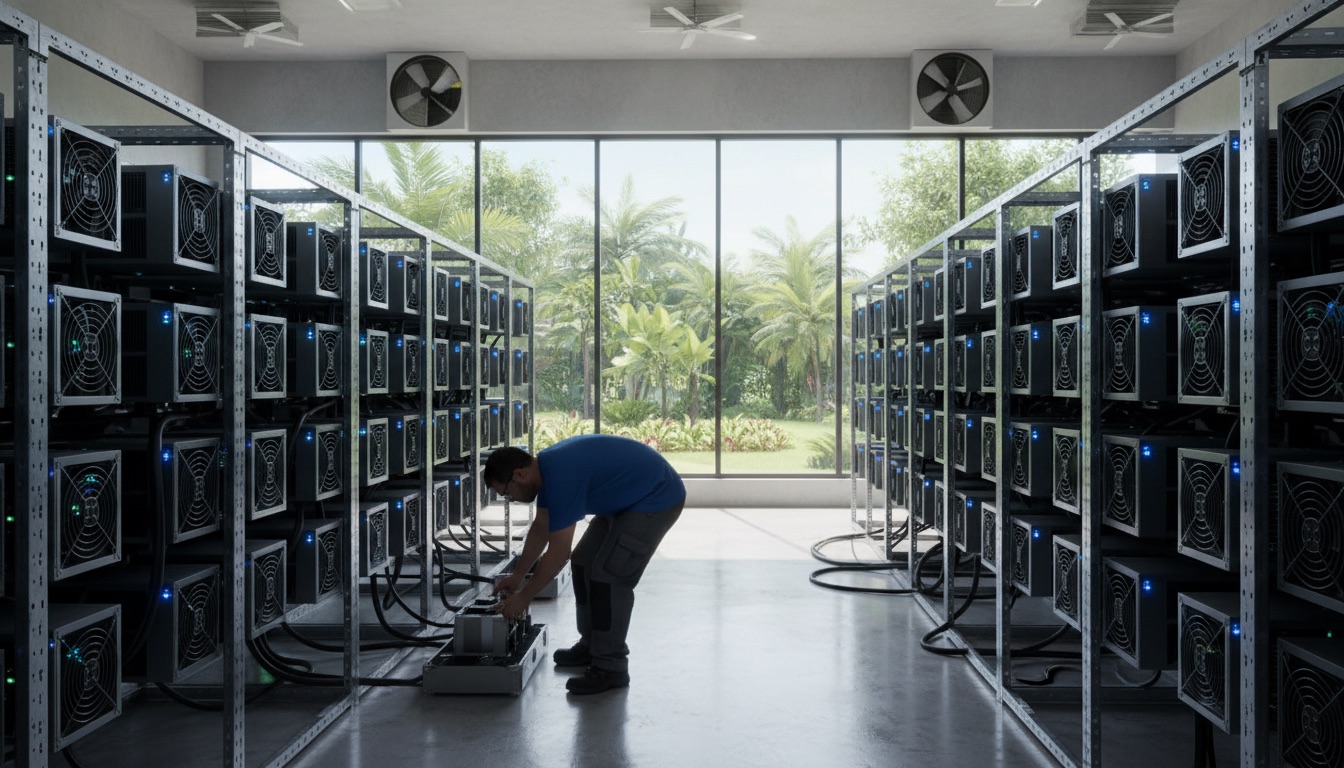
ለአንድ ተግባር ብቻ የተሰበሰበ መሣሪያ፡ ለBitcoin ማዕድን SHA-256 ማስላት። ሌላ ምንም አያሰላም። በዚህ አልጎሪዝም ላይ ASIC ከቪዲዮ ካርዶች በእጅጉ የተሻለ ውጤታማ የሆነው ለዚህ ነው። ሞዴሎች በሃሽሬት፣ በፍጆታና በኃይል ቆጣቢነት ይወዳደራሉ፣ ጠቅላላ ሠንጠረዡ በየማዕድን መሣሪያዎች ደረጃ ተሰብስቧል።
Custody (የፑል ካስቶዲ)
ፑሉ ሳንቲሞችዎን እስከ ክፍያው ጊዜ ድረስ በራሱ ይይዛል ወይ የሚለው ጥያቄ። እንደ ከcoinbase መክፈል ያሉ ካስቶዲ ያልሆኑ መርሃግብሮች ገንዘቡን በቀጥታ ከብሎኩ ይሰጣሉ። ካስቶዲያል ፑል ቀሪ ሂሳብ ይይዛል፣ ያኔ ስሙ፣ የክፍያ ገደቡ መጠንና የሚገዛበት ሕግ አስፈላጊ ይሆናሉ። ገንዘብ ወዴት ማውጣት እንደሚቻል በቦርሳዎች ስብስብ ውስጥ ተብራርቷል።
J/TH (የኃይል ቆጣቢነት)
ጁል በቴራሃሽ፡ መሣሪያው በአንድ የሥራ አሃድ ላይ ምን ያህል ኃይል እንደሚያጠፋ። ቁጥሩ ባነሰ ቁጥር ተመሳሳይ ሃሽሬት ርካሽ ይሆናል። በነሐሴው ስሌታችን ውስጥ ለፍጆታ እንደ ሞዴል ያገለገለው በBitmain ኦፊሴላዊ መመሪያ መሠረት 473 TH/s፣ 5676 ዋት እና 12 J/TH ያለው Antminer S21 XP Hyd ነው። በአየር የሚቀዘቅዙ ማሽኖች የበለጠ ያጠፋሉ።
KYC (የማንነት ማረጋገጫ)
አገልግሎቱ ከክፍያ ወይም ገንዘብ ከማውጣት በፊት ሰነዶችንና የማንነት ማረጋገጫን የሚጠይቅበት ሂደት። ፑሎች፣ ልውውጦችና መቀየሪያዎች በተለያየ መንገድ ይይዙታል። ለማዕድን አውጪው ይህ ተግባራዊ ጥያቄ ነው፡ ያገኘውን ያለ ማገድ የት ሊቀበልና ሊለውጥ ይችላል። መስፈርቶቹ በሕግ ክልል ይወሰናሉ እንዲሁም አዘውትረው ይለወጣሉ፣ ከአገልግሎቱ ራሱ ያረጋግጡ።
ሆስቲንግና ገንዘብ ማውጣት
All-in rate (የኪሎዋት·ሰዓት ሙሉ ተመን)
በሆስቲንግ ጣቢያ ላይ ያለው የኤሌክትሪክ የመጨረሻ ዋጋ በኪሎዋት·ሰዓት በሳንቲም፣ አገልግሎትን፣ ማቀዝቀዝን፣ ጥገናንና የጣቢያውን ራሱን ትርፍ የሚያካትት እንጂ ኪሎዋቱን ብቻ አይደለም። ጣቢያዎችን በ«ራቁት» ታሪፍ ማወዳደር ትርጉም የለውም፡ የአገልግሎት ጭማሪዎች ምስሉን ይገለብጡታል። ውል ከመፈረምዎ በፊት ተመኑ በክፍሎቹ ተከፋፍሎ እንዲቀርብልዎ ይጠይቁ።
Cashback በBTC
የግዢው መጠን ከፊሉ በነጥብ ወይም በፊያት ሳይሆን በቢትኮይን መመለስ። በአውጪዎች መካከል ሁኔታዎች ይለያያሉ፡ መቶኛው አብዛኛውን ጊዜ በካርዱ ደረጃና በታገዱ ገንዘቦች መጠን ይወሰናል፣ በአንዳንድ የግዢ ምድቦች ላይ ደግሞ ተመላሽ በጭራሽ ላይታሰብ ይችላል። በካርዶች ላይ ያሉ ሁኔታዎች ጠቅላላ ሠንጠረዥ በክሪፕቶ ካርዶች ክፍል ተሰብስቧል።
Colocation (የASIC ሆስቲንግ)
መሣሪያዎን ርካሽ ኤሌክትሪክና የኢንዱስትሪ ማቀዝቀዣ ባለው በሌላ ሰው ጣቢያ ላይ ማስቀመጥ። የማሽኖቹ ባለቤት እርስዎ ሆነው ይቀጥላሉ፣ ጣቢያው ኤሌክትሪክን፣ በመደርደሪያ ውስጥ ቦታንና አገልግሎትን ይሸጣል። ቤት ውስጥ የተመደበ አቅምም ሆነ ጫጫታውን የመታገስ ፈቃደኝነት ለሌላቸው የሚሆን አማራጭ። የጣቢያዎች ግምገማ በሆስቲንግ ክፍል ውስጥ ይገኛል።
ክሪፕቶ ካርድ
ከክሪፕቶ ቀሪ ሂሳብ ጋር የተሳሰረ የክፍያ ካርድ፡ በሚከፍሉበት ጊዜ የሚያስፈልገው መጠን ወደ ፊያት ይቀየራል። ለማዕድን አውጪው ይህ ያገኘውን በየጊዜው በልውውጥ ሳያልፍ ከመስመር ውጭ የማውጣት መንገድ ነው። በካርዶች መካከል ያለው ልዩነት በፕላስቲኩ ንድፍ ሳይሆን በመቀየሪያ ኮሚሽን፣ በገደቦችና በማረጋገጫ መስፈርቶች ላይ ነው።
SLA (የአገልግሎት ደረጃ ስምምነት)
የጣቢያው በአፕታይምና በብልሽት ጊዜ ምላሽ የመስጫ ጊዜ ላይ ያለው የውል ግዴታ፣ ሲጣስ የሚከፈል ካሳ ተጽፎበት። ያለ SLA የተነገረው አፕታይም በድረ ገጹ ላይ የተሰጠ ቃል ብቻ ሆኖ ይቀራል። በትክክል ምን እንደ መቆም እንደሚቆጠር፣ የታቀዱ ሥራዎችና ተራ በተራ የሚደረጉ የኃይል ማቋረጦች ከዚያ ይገለሉ እንደሆነ፣ እንዲሁም ጣቢያው ኪሳራውን በምን መልኩ እንደሚክስ ይመልከቱ።
ቀጥሎ ምን ማንበብ
ለቃላት ሳይሆን ለተጨባጭ ምርጫ ከመጡ፡ ከኮሚሽኖችና ከክፍያ ገደቦች ጋር ያሉ ፑሎች ዝርዝር በየ2026 ፑሎች ግምገማ ተሰብስቧል፣ በተመሳሳይ መረጃ ላይ የተመሠረተ ወርሃዊ የተጣራ ገቢ ስሌት ደግሞ በየነሐሴ 2026 ፑሎች ንጽጽር ውስጥ ይገኛል።
*ቃላቱና ቁጥሮቹ ከPOOL BTC ብሎግ ጽሑፎች ጋር ተመሳክረዋል፡ የ14.08.2026 የኔትወርክ ምስልና የ20.08.2026 የክፍያ መርሃግብሮች መለኪያዎች። POOL BTC የማዕድን ፑል አይደለም፣ ፑሎችንና አገልግሎቶችን የሚያወዳድር ገለልተኛ ድረ ገጽ ነው።*