
Russia's Mining Ban in Moscow and the Moscow Region Until 2032: What to Do With Your Rigs
Russia just shut down mining across two of its most populated regions and part of a third. Government Decree No. 936, signed on July 25, 2026 and published August 1, took effect on August 15, 2026 and runs until December 31, 2032. If your rigs sit in Moscow, the Moscow Region, or one of nine districts of the Kursk Region, the question is no longer whether mining still pencils out there. It is where to physically move the hardware and how to keep operating legally somewhere else.
This is not legal advice, and it is not a line-by-line retelling of the decree. What follows are the verified facts and a practical read on the situation from the side of someone who compares pools and hosting options, not someone who writes laws.
What the ban actually covers
Decree No. 936 bans both cryptocurrency mining and participation in mining pools across Moscow, the Moscow Region, and nine districts of the Kursk Region. That second part matters: the restriction is not limited to the physical act of hashing. Connecting a rig from one of these regions to a pool, wherever that pool's servers happen to sit, falls under the same ban.
The ban runs a long time, through the end of 2032, more than six years out. That is not a one-winter emergency measure. It is a planning horizon long enough that restructuring the business makes more sense than waiting it out.
Why the grid is the official reason
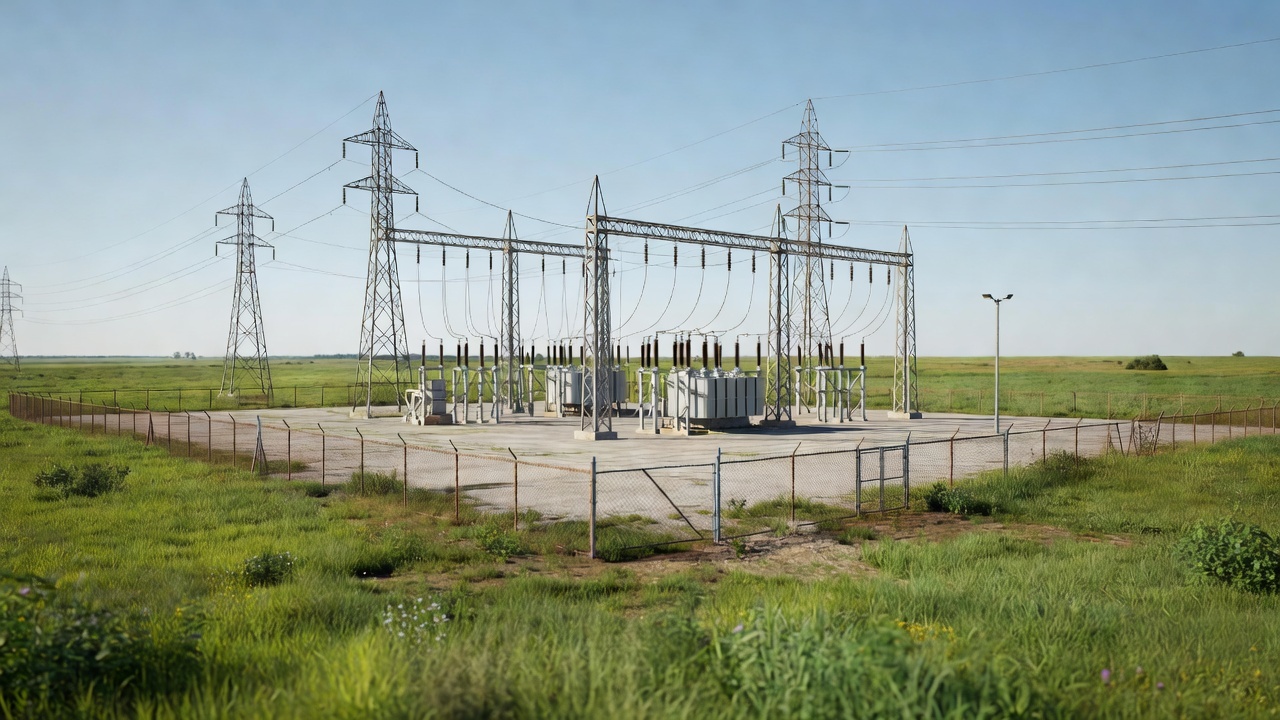
The stated justification in the decree, based on verified reporting, comes down to grid load. Mining in the Moscow region is currently estimated at around 1 gigawatt of consumption. Data center capacity in the same region is projected to reach 3.6 gigawatts by 2032, roughly 17% of the region's peak load.
Those numbers tell their own story. The Moscow grid is already stretched by the growth of AI and cloud data centers, and mining turned out to be the easiest line item to cut with a single decree. Data centers stay. Mining leaves.
What this means for a miner on the ground
If a rig sits in Moscow, the Moscow Region, or one of the listed Kursk districts, as of August 15, 2026 it can neither mine locally nor connect to a pool remotely while staying inside that jurisdiction. The ban formally covers both solo mining and pool participation, though most retail miners already run through pools anyway, since solo mining on a typical ASIC at current network difficulty rarely makes sense, a point covered in more detail in the solo vs. pool mining breakdown.
From there, an operator has two realistic paths. Physically relocate the hardware to a region outside the ban, or place it with a third-party data center or hosting provider outside the restricted zone. Selling the hardware and exiting mining altogether is a third option, but for anyone who has already recouped most of the investment, relocation usually pays off better.
Where the hardware can actually go
Moving an ASIC farm is not just logistics. It is also a fresh economics run at the new site: a different electricity tariff, different cooling costs, different access to service and repairs. Before loading rigs onto a truck, it is worth running the new numbers through the mining profitability calculator on POOL BTC to see whether relocation still pays off once downtime during transport is factored in.
The general rule for regions with cold climates and spare generation capacity holds here too: the further from crowded industrial hubs and the closer to surplus power generation, the calmer things tend to be for a miner. That is part of why Russian mining historically clustered east of the Urals and in Siberia, where the grid carries less pressure from data centers and dense urban infrastructure.
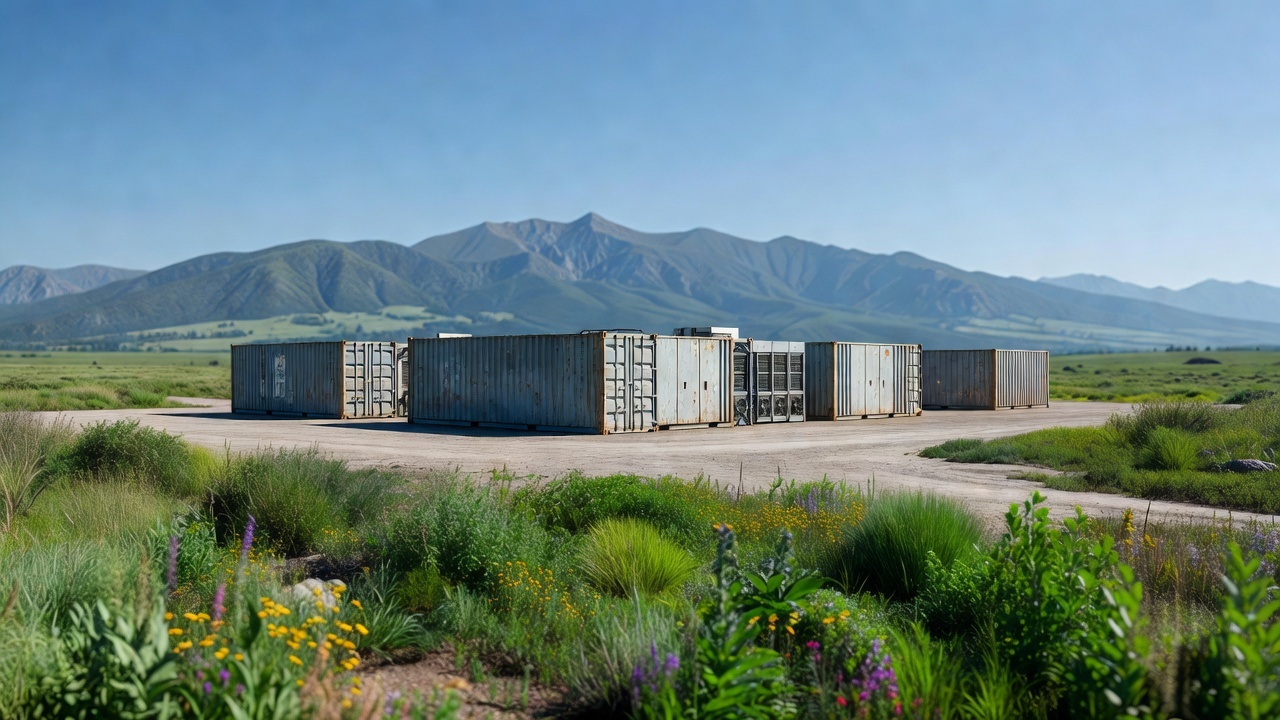
Industrial hosting, where a facility takes on the hardware for a flat fee instead of an operator moving with their own crew, often turns out simpler for small and mid-size miners. The host has already sorted out grid access, cooling, and physical security. The client just watches hashrate and payouts.
Choosing a pool once your geography has changed
After relocation comes the next question: stick with the same pool or switch. A pool as a service is not formally tied to a client's jurisdiction, but geo-restrictions touch several things in practice.
First, check whether the pool now requires proof of residency or a legal entity address once the hardware physically sits in a different region or country. Second, connection latency to the pool's servers matters. The farther the new site is from the pool's infrastructure, the higher the ping and the bigger the risk of stale shares. What to look at beyond fees when picking a pool is covered in how to choose a mining pool, and a broader side-by-side of active pools sits in the mining pool comparison.
One more thing often gets overlooked: some countries do not ban mining outright, they mandate a state-run pool instead, the way Oman did in spring 2026 by requiring every licensed mining company to connect through a single pool, Omanhash.om. That is a different regulatory model, but it points at the same trend. Governments are increasingly deciding not just whether mining is allowed, but which pool it has to run through. More on that case in the piece on Oman's mandatory state pool. Anyone relocating hardware right now should build in the chance that a similar requirement shows up in whatever jurisdiction they land in next.
A checklist before you tear down the farm
A few things worth confirming before disassembling anything.
Check formally whether your specific address falls inside one of the nine listed Kursk Region districts, not just the region in general. Rerun the economics at the new site with the calculator, factoring in tariffs, logistics, and downtime. Ask the pool or host what residency and entity documentation they require going forward. Compare minimum payout thresholds and reward models across a few pools while you are at it, since a move is a natural moment to reconsider the whole setup rather than just the address, and the difference between FPPS and PPLNS is broken down in the piece on FPPS vs. PPLNS payout schemes. And build in a time buffer. Transport, customs if a border is involved, and getting a farm running again rarely finish on the optimistic schedule.
The decree, briefly
The measure covers only Moscow, the Moscow Region, and nine districts of the Kursk Region, applies to both mining and pool participation, runs from August 15, 2026 through December 31, 2032, and is officially justified by grid load, with mining currently drawing around 1 gigawatt in the region and data centers projected to reach 3.6 gigawatts by 2032, about 17% of peak regional load. For the wider picture on crypto regulation in Russia, including rules on buying and holding assets, see the piece on Russia's crypto payment rules from July 2026.
The decree itself and the original reporting on this ban are available via CoinMarketCap Academy. For an accurate legal read on your specific situation, entity type, sole proprietorship, individual, or hardware leased from a third party, talk to a lawyer familiar with Russian mining regulation rather than relying on blog posts, including this one.