
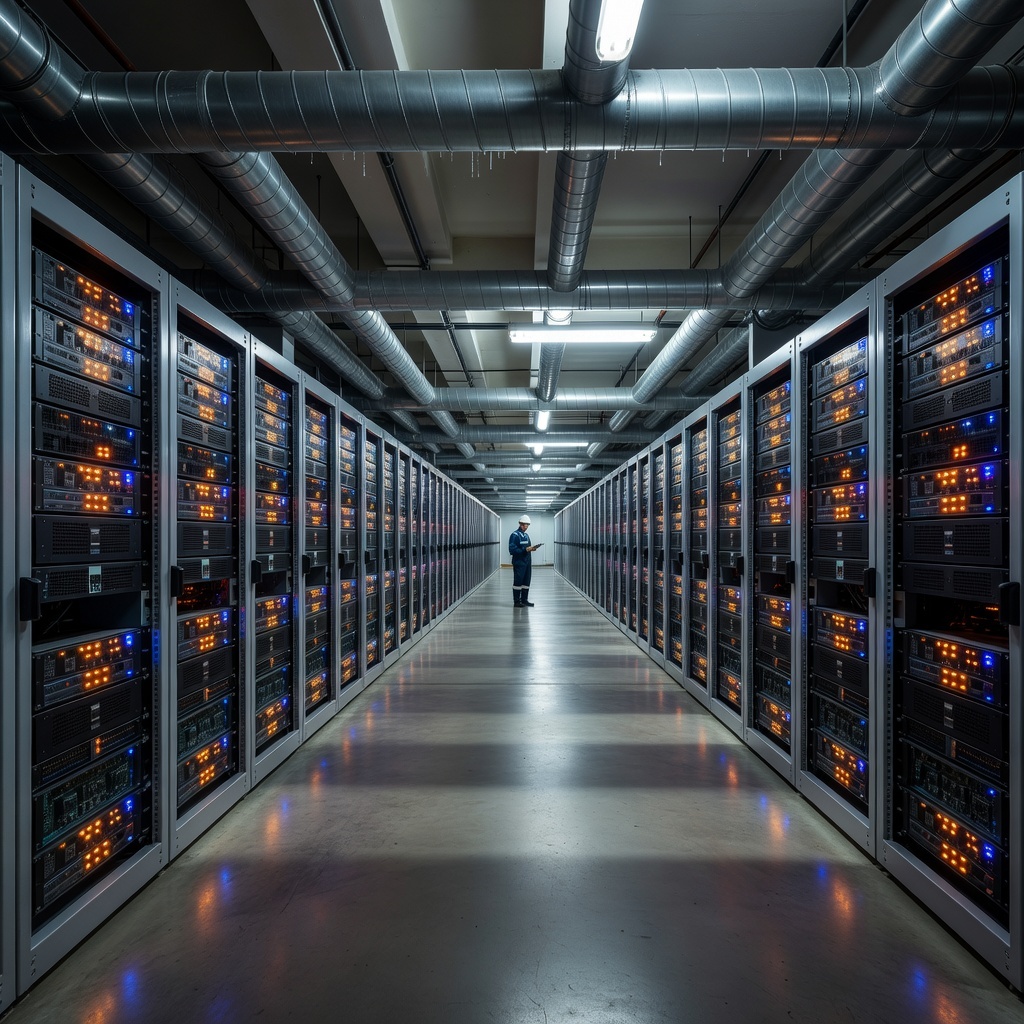
Where to Host ASIC Miners: Colocation Rates and What's Included
Hosting takes cooling, noise, repairs, and stable power off a miner's plate - you own the hardware, and the data center runs it for a per-kWh fee. Here's what rates providers offer in 2026, what's typically included in the price, and what's billed separately.
Rate Ranges by Region
- US (retail colocation): roughly $0.06-0.09/kWh all-in, depending on region, contract length, and service package
- Texas specifically: from $0.045/kWh on industrial tariffs, with some providers' packages starting at $0.055-0.085/kWh
- Regions with cheap hydropower (Paraguay, Quebec, Oregon): $0.03-0.05/kWh - the lowest rates on the market
- Ethiopia: hydropower-based hosting, large facilities from 100 MW, but minimum orders typically start at 50 units
Keep in mind that management fees, transport costs, and peak-demand compensation often get added to the base electricity rate - the final cost can run $0.02-0.03 higher than the quoted base rate.
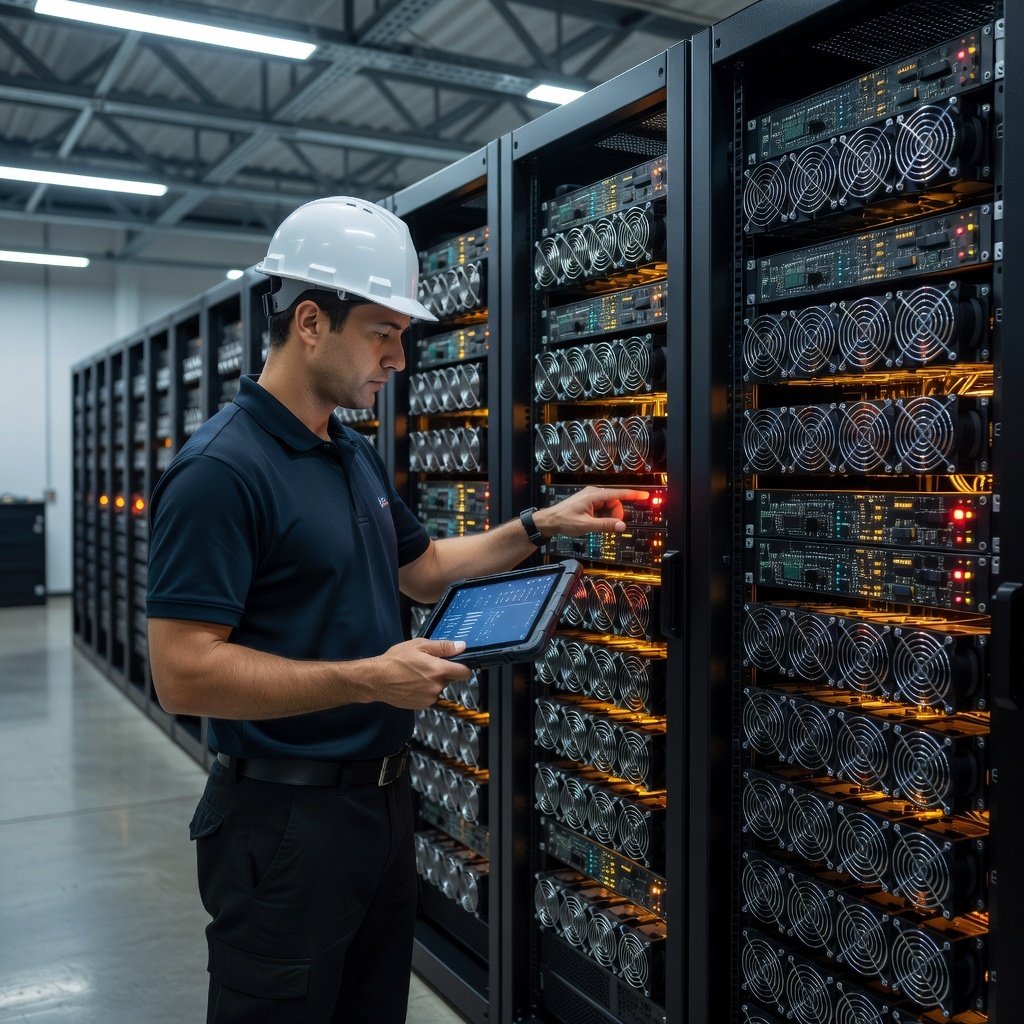
What's Usually Included in Hosting
- Electricity and cooling - the base part of the rate, almost always included
- Monitoring and remote management - most providers give you a dashboard with hashrate and temperature stats at no extra cost
- Basic maintenance - dust cleaning and fan replacement are often part of the standard package
What's Usually Billed Separately
- Hashboard and PSU repairs - typically billed per job unless you've purchased an extended service package
- Equipment insurance - an optional add-on, not included in the base rate by default
- Delivery and setup - a one-time fee when your equipment arrives, varying by provider and volume
Uptime and SLA
Stated uptime at major providers typically runs 98-99.9%. Some providers offer tiered plans with a choice of uptime - for example, a 99% guarantee package costs more than a 50% one (the latter is used for flexible-load curtailment programs, where the miner agrees to be shut off during peak hours in exchange for a lower rate).
When choosing a provider, check:
- Curtailment reporting transparency - how many hours per month your equipment actually sits idle
- Whether the provider faces penalties for violating stated SLA terms
- Minimum order size - some providers require dozens of units, which doesn't work for small-scale miners
What to Look For When Choosing a Provider
- Billing transparency. Ask for a full breakdown of the rate - base per-kWh cost plus all additional fees
- Contract length. Short contracts (3-6 months) offer flexibility but are usually pricier than long-term ones (12+ months)
- Reputation and track record. Look for reviews from existing clients, not just marketing materials
- Volume flexibility. For a small fleet (1-10 units), look for providers without a high minimum order threshold
Before deciding on hosting, calculate your equipment's payback at different rates using our ASIC ROI breakdown and compare pool income in our payout comparison. Calculate your actual profitability at your rate using POOL BTC's calculator.
Frequently Asked Questions
Is hosting cheaper than running a miner at home?
It depends on your home electricity rate and the noise/heat level you're willing to tolerate. At a cheap home rate (under $0.06/kWh), running equipment at home can be more cost-effective than hosting with its extra fees.
What happens to your equipment if a host goes bankrupt?
Legally, the equipment remains your property, but physical access and removal logistics in the event of a provider's bankruptcy can take time. Choose providers with a transparent legal structure and a long market track record.
Can I host one or two ASICs instead of a whole farm?
Yes, but not with every provider - some require a minimum order of 10-50 units. For a small fleet, look for niche hosts focused on retail clients rather than only institutional miners.