

Mined in America Act: U.S. Moves to Control Bitcoin Mining Supply Chain
On March 30, 2026, Republican Senators Bill Cassidy and Cynthia Lummis introduced the 'Mined in America Act,' a sweeping proposal to bring bitcoin mining infrastructure under U.S. federal oversight, reduce dependence on Chinese hardware, and codify a Strategic Bitcoin Reserve into law. Here is what the bill contains and what it means for miners globally. Calculate your mining profitability and stay ahead of regulatory shifts.
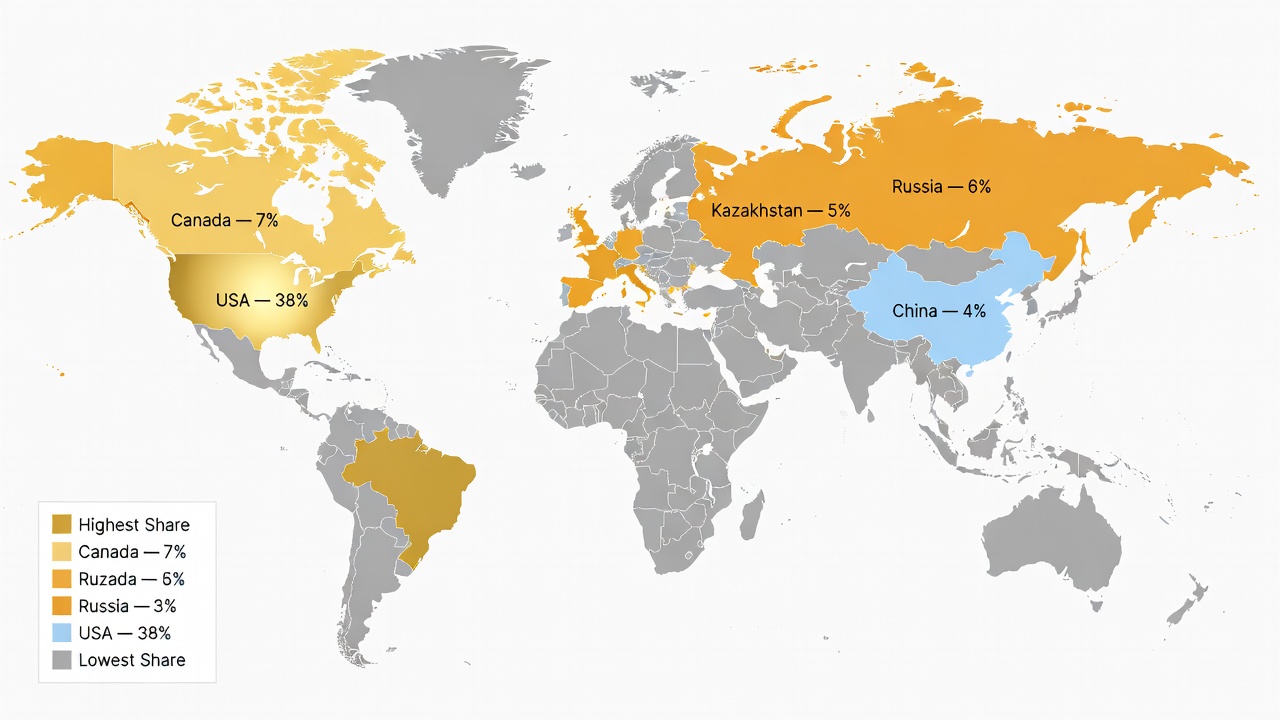
Context: 38% of Hashrate Is American, 97% of Hardware Is Chinese
According to the bill's sponsors, the United States controls approximately 38% of global bitcoin hashrate -- the largest single-country share in the world. Yet roughly 97% of specialized ASIC mining hardware is manufactured by Chinese companies, primarily Bitmain and MicroBT.
Lawmakers argue this asymmetry creates both economic and national security risks. The bill references prior incidents including U.S. inspections of imported mining rigs and the discovery of firmware vulnerabilities that raised concerns about remote access capabilities.
"Digital asset mining is a big part of our economy. We should be doing it here in America." -- Senator Bill Cassidy.
What the Bill Proposes
1. Voluntary 'Mined in America' Certification
The Department of Commerce would establish a certification program for mining facilities and pools meeting security and sourcing standards. Certified operators must phase out hardware linked to foreign adversaries by end of decade. Participation is voluntary -- there is no outright ban on Chinese equipment.
2. Domestic Hardware Development
NIST and the Manufacturing Extension Partnership receive authority to support U.S. mining hardware development. The bill authorizes no new spending, routing certified projects into existing federal energy and manufacturing programs instead.
3. Mining as Energy Infrastructure
Certified operators can access financing through DOE and USDA programs, prioritizing projects that absorb excess renewable energy, stabilize grid demand, or capture methane from landfills and oil fields.
Strategic Bitcoin Reserve: Miners Could Sell BTC Directly to the Government
The bill's most significant provision is codifying a Strategic Bitcoin Reserve at the Treasury Department, moving Trump's executive order onto statutory footing and making it harder for future administrations to reverse.
A 'budget-neutral' funding mechanism is proposed:
- Revenue from staking rewards and airdrops on seized altcoins is redirected into BTC purchases.
- Certified domestic miners can sell newly mined bitcoin directly to the government in exchange for a capital gains tax exemption.
In effect, this creates a guaranteed BTC buyer with a tax incentive for U.S.-certified miners -- a meaningful competitive advantage for American operators.
What This Means for Miners Outside the U.S.
- U.S. miners: tax exemptions and access to federal financing -- clear advantage.
- Russian and CIS miners: no direct impact for now. If U.S. chip production scales, it could affect hardware pricing and availability of Antminer and WhatsMiner long-term.
- BTC market: government purchasing through the reserve creates additional demand that could support the price floor.
Track your profitability with the POOL BTC calculator and connect to the best bitcoin mining pool at pool-btc.com.
FAQ
Has the bill passed?
No. As of July 2026, the Mined in America Act is under Senate review. It requires a majority vote and presidential signature to become law.
Does it ban Bitmain and MicroBT equipment?
No direct ban. The bill introduces voluntary certification and a phased transition for operators who want access to federal programs. Chinese hardware continues to be used in the U.S.
Will this affect ASIC hardware prices?
Not short-term. If domestic U.S. chip manufacturing eventually scales, increased competition could reduce prices over years, not months.
What is the Strategic Bitcoin Reserve?
The equivalent of a gold reserve, but in bitcoin. Trump created it by executive order; the Cassidy-Lummis bill puts it on statutory footing, protecting it from reversal by future administrations.