
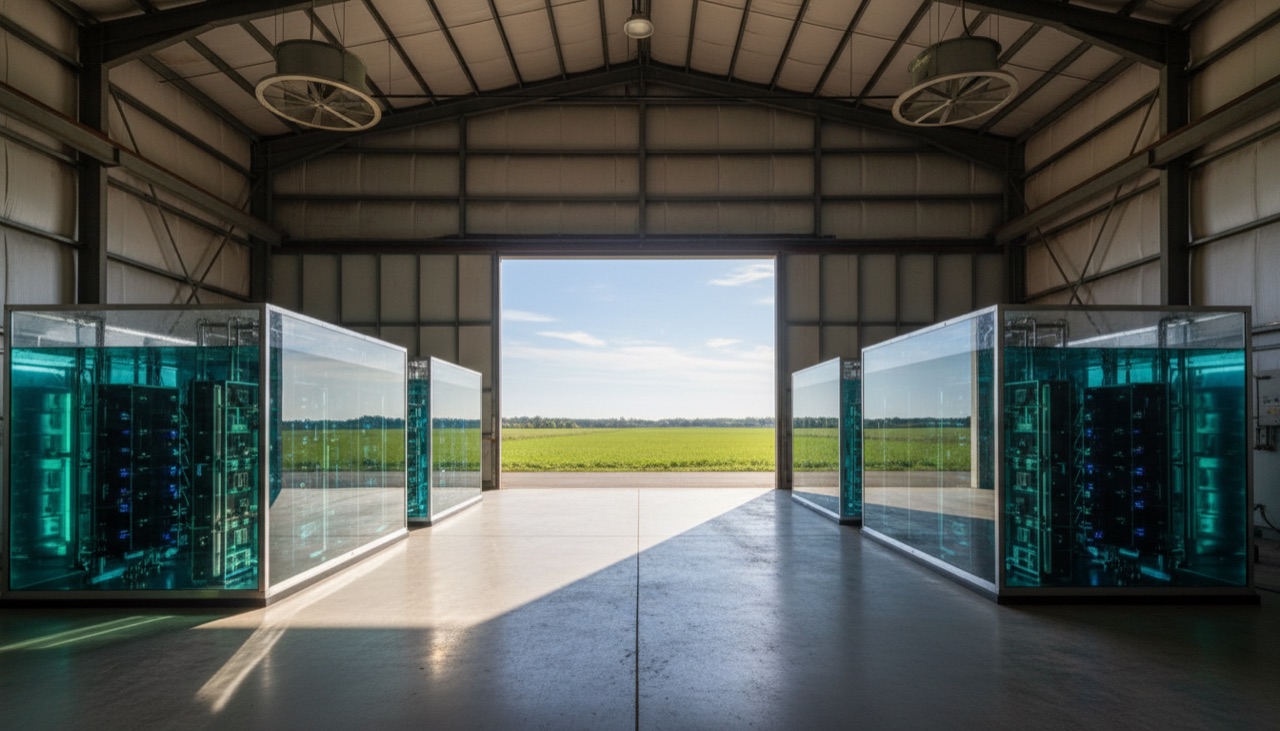
Which pool for the Whatsminer M66S (immersion/hydro): fees, payouts and setup
POOL BTC is an independent comparison site, not a mining pool. We do not run hashrate and do not take a cut from any pool listed here. Fee and threshold figures come from pool documentation and were verified on 2026-08-18 (Tpool on 2026-09-09). Pools change terms without notice, so check the pool's site before pointing your M66S at it.
The Whatsminer M66S is rated at 290 TH/s and 5,365 W (18.5 J/TH) by MicroBT's official shop. Some resellers list a 298 TH/s / 5,513 W variant. Either way, that hashrate fills any payout threshold fast, so pick a pool by fee and uptime first, threshold second. For one to three units, Tpool (0.9% FPPS) or Trustpool (1% PPS+) keep costs lowest. Larger immersion farms should also evaluate Foundry USA (undisclosed fee, negotiate) and Luxor (2.5% FPPS, solid analytics). Avoid PPLNS if your electricity bill is high, since income swings can turn a tight margin negative in unlucky weeks.
What hashrate and efficiency does the M66S deliver?
MicroBT's official shop (shop.whatsminer.com) lists the Whatsminer M66S at 290 TH/s and 5,365 W (18.5 J/TH) (shop.whatsminer.com, September 2026). Reseller listings often show a slightly different bin: 298 TH/s at 5,513 W, keeping the same 18.5 J/TH efficiency ratio. Both variants exist in the market. This article uses the official 290 TH/s figure for all calculations; if you have the 298 TH/s version, results will be a few percent higher.
Because the M66S uses immersion or hydro cooling, the unit runs at a stable temperature with very little thermal throttling. In practice this means the M66S holds its rated hashrate more consistently than air-cooled machines in warm climates.
For up-to-date daily income estimates, plug your actual hashrate into the mining calculator or compare models in the ASIC miner ranking.
Why does immersion cooling matter for pool choice?
Immersion-cooled rigs like the M66S typically run 24/7 with minimal unplanned downtime. Air-cooled machines lose hours to overheating, fan failures and dust buildup. That near-constant uptime means two things for pool selection:
- Your daily BTC earnings are predictable, so a flat-rate scheme (FPPS or PPS+) matches your operational reality better than PPLNS, which adds variance on top of an already steady hashrate feed.
- You reach payout thresholds faster. A single M66S at 290 TH/s clears even the 0.005 BTC threshold in about 36 days (see calculations below), which makes the minimum payout a smaller factor than the fee percentage.
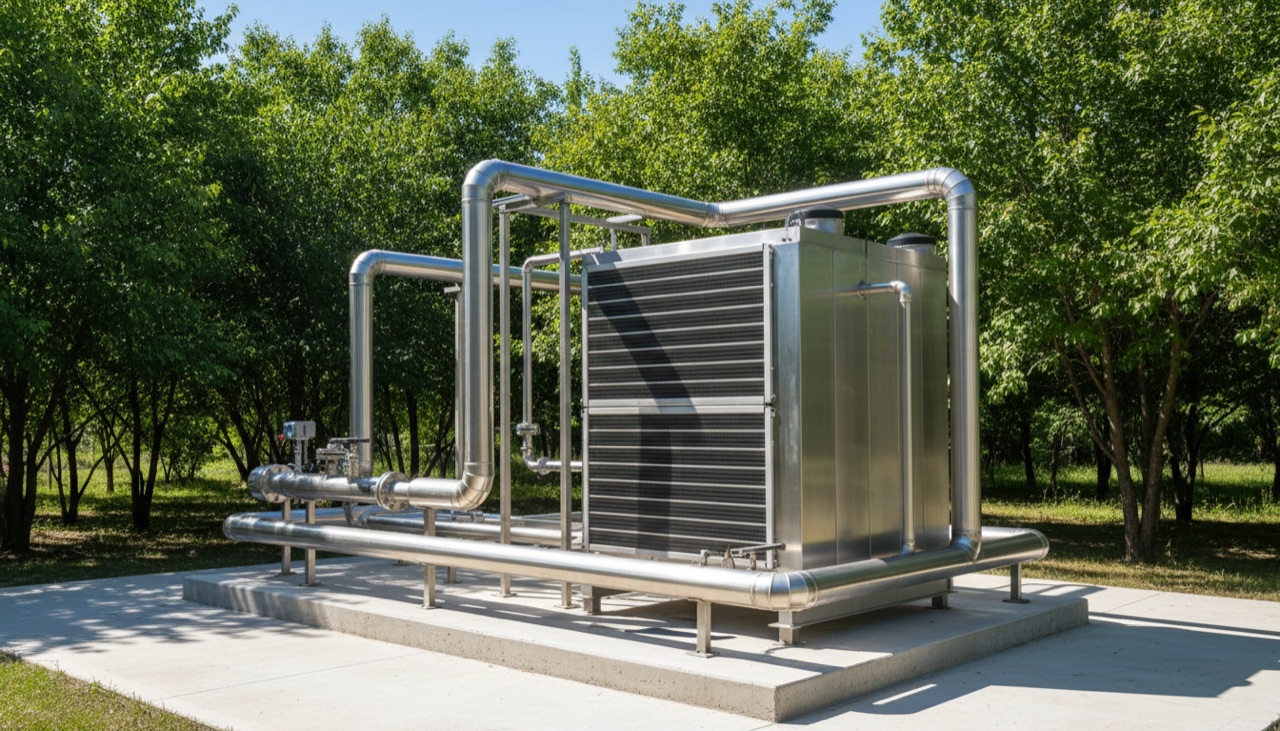
The trade-off: immersion infrastructure costs more upfront (tanks, coolant, pumps, heat exchangers). Electricity cost per TH is similar to air-cooled units at 18.5 J/TH, but you are paying for the cooling loop too. That makes every fee point count more, because your break-even electricity price is tighter.
Which pools work for the M66S?
Every SHA-256 Stratum pool works. The pool does not know or care that your ASIC sits in dielectric fluid. Below is the full BTC pool comparison from our database.
| Pool | Fee | Payout scheme | Min. payout |
|---|---|---|---|
| Tpool | 0.9% | FPPS | 0.0001 BTC |
| Trustpool | 1% | PPS+ | 0.001 BTC |
| Luxor | 2.5% | FPPS | 0.001 BTC |
| Promminer | 3% | FPPS | 0.0001 BTC |
| Kryptex Pool | 3% | PPS+ | 0.001 BTC |
| AntPool | 4% | FPPS / PPS / PPLNS | 0.005 BTC |
| F2Pool | 4% (PPLNS 2%) | FPPS / PPLNS | 0.005 BTC |
| ViaBTC | 4% (PPLNS 2%) | PPS+ / PPLNS | 0.001 BTC |
| EMCD | 4% | FPPS | 0.0001 BTC |
| Binance Pool | 4% | FPPS | daily credit, no published threshold |
| Foundry USA | not disclosed | FPPS | 0.01 BTC |
| Neopool | not disclosed | FPPS | 0.001 BTC |
Source: pool-btc.com, verified 2026-08-18 (Tpool 2026-09-09). Pools change terms; check the pool site before switching.
Should M66S owners use FPPS or PPLNS?
For most M66S operators, FPPS or PPS+ is the safer choice. Here is why.
Immersion setups carry fixed costs that keep running whether blocks land or not: coolant circulation, heat rejection, facility lease. PPLNS income depends on pool luck. A bad-luck week on a 2% PPLNS plan can pay less than a steady 4% FPPS plan. The math flips only when you run enough hashrate to smooth out variance over months and the fee spread is wide enough to compensate.
If you run 20+ M66S units (roughly 5.8 PH/s) and your electricity rate gives you comfortable margin, the 2% PPLNS option on F2Pool or ViaBTC starts to make sense over longer periods. Below that scale, stick with FPPS.

How fast does one M66S reach the minimum payout?
At a hashprice of 0.00047652 BTC/PH/day ($40.93/PH/day), recorded on 21.09.2026 (Hashrate Index), one M66S at 290 TH/s (0.290 PH) earns about 0.0001382 BTC per day before pool fee.
Here is what that looks like for different thresholds. The pool fee reduces daily income, so the table shows days after fee for a few common pools:
| Pool | Fee | Daily BTC (after fee) | Days to 0.0001 BTC | Days to 0.001 BTC | Days to 0.005 BTC | Days to 0.01 BTC |
|---|---|---|---|---|---|---|
| Tpool | 0.9% | 0.0001370 | < 1 | 7.3 | 36.5 | 73.0 |
| Trustpool | 1% | 0.0001368 | < 1 | 7.3 | 36.5 | 73.1 |
| F2Pool FPPS | 4% | 0.0001327 | < 1 | 7.5 | 37.7 | 75.4 |
| Foundry USA | unknown | 0.0001382* | < 1 | 7.2 | 36.2 | 72.4 |
\* Foundry fee not disclosed; row shows pre-fee figure. Actual days will be slightly higher.
Hashprice changes daily with difficulty and BTC price. These numbers are a snapshot, not a guarantee. Plug your own numbers into the calculator. For more on payout timing, see time to first payout.
If you have the 298 TH/s reseller variant, daily output is about 0.0001420 BTC before fee, roughly 3% more.
How do I set up pool connection on a Whatsminer M66S?
The process is the same as any Whatsminer:
- Open the miner's web interface (or WhatsMinerTool for batch config).
- Go to Configuration > Miner Configuration > Pool tab.
- In the Pool 1 field, select "custom" and enter the pool Stratum URL. Fill in the Pool 1 worker field (account.worker format) and Pool Password (often "x" or any value).
- Fill Pool 2 and Pool 3 with backup pool URLs. Always set backups.
- Save and let the miner restart hashing.
Menu path is the same across the Whatsminer family. MicroBT publishes no separate M66S manual that we could find.
For immersion units specifically: make sure the miner is stable at temperature before switching pools mid-operation. A restart while the unit is cold (freshly submerged) versus hot can cause a brief hashrate spike as the chip boosts before thermal equilibrium.
Step-by-step with screenshots: how to connect an ASIC to a pool. Backup pool setup: backup pools and failover.
Does Whatsminer firmware restrict pool choice?
Stock Whatsminer firmware lets you set any Stratum pool. There is no built-in mandatory pool routing in standard firmware. MicroBT's official M66S product page does not mention a dev fee (checked 28.09.2026), though this should not be taken as confirmation of 0% since manufacturer pages do not always list firmware-level fees.
Some third-party firmware (like Vnish or BraiinsOS) adds features but may introduce its own dev fee. If your immersion setup uses custom firmware for voltage tuning, check the firmware's fee schedule separately.
One M66S vs a fleet: how does pool choice change?
| Scenario | Priority | Recommended pools |
|---|---|---|
| 1 to 3 units | Low fee, frequent payouts | Tpool (0.9%), Trustpool (1%) |
| 4 to 15 units | Low fee, good uptime, analytics | Tpool, Trustpool, Luxor (2.5%) |
| 16+ units | Negotiated fee, SLA, support | Foundry USA (negotiate), Luxor, Tpool |
At fleet scale, contact pools directly. Foundry and Luxor both offer custom terms for large hashrate commitments. Neopool also does not disclose its fee publicly, which usually means it is negotiable.
FAQ
Can I overclock the M66S in immersion and point it at any pool?
Yes. Overclocking changes the hashrate but not the pool protocol. Update the hashrate in your profitability calculations so the fee comparison still holds. Higher hashrate also means higher power draw, which tightens margins and makes the fee difference between pools more significant.
Is the M66S the same as the M66 for pool setup?
Pool setup is identical. The "S" indicates the immersion/hydro cooling variant. The pool sees SHA-256 shares either way.
Should I split my M66S units across multiple pools?
With immersion rigs running near 100% uptime, splitting across two pools adds redundancy if one pool goes down. The downside: each pool's threshold is reached slightly slower. At 290 TH/s per machine, this is barely noticeable.
Which pool has servers closest to my immersion facility?
Latency matters less for SHA-256 than pool fee and uptime, but lower latency means fewer stale shares. Most large pools (AntPool, F2Pool, ViaBTC, Foundry) run servers on multiple continents. Check the pool's Stratum URL list for a server near you.
Where can I check if the M66S is profitable at my power price?
Use the calculator with 290 TH/s and 5,365 W (or 298 TH/s and 5,513 W if you have the reseller variant). Compare against other models in the miner ranking.
This article contains referral links to mining pools (marked as sponsored). We may receive a reward if you register through them. This does not change the figures or the order of rows in the tables: the terms are taken from the pools' official pages.