
OneMiners hosting review 2026: rates by location, contract terms, risks, who it fits
OneMiners can make sense for someone who wants to buy a bitcoin ASIC and have it hosted abroad at a published rate starting around 5.2 cents per kWh. It fits less well if you need a clear minimum term, a written early exit or the right to choose your own pool, because the official site does not state these.
POOL BTC is an independent comparison site. We are not OneMiners, we do not run a mining pool, and nothing here is investment advice. Facts come from the official OneMiners pages checked on 2026-10-09, plus the third-party sources named in the text.
What is OneMiners?
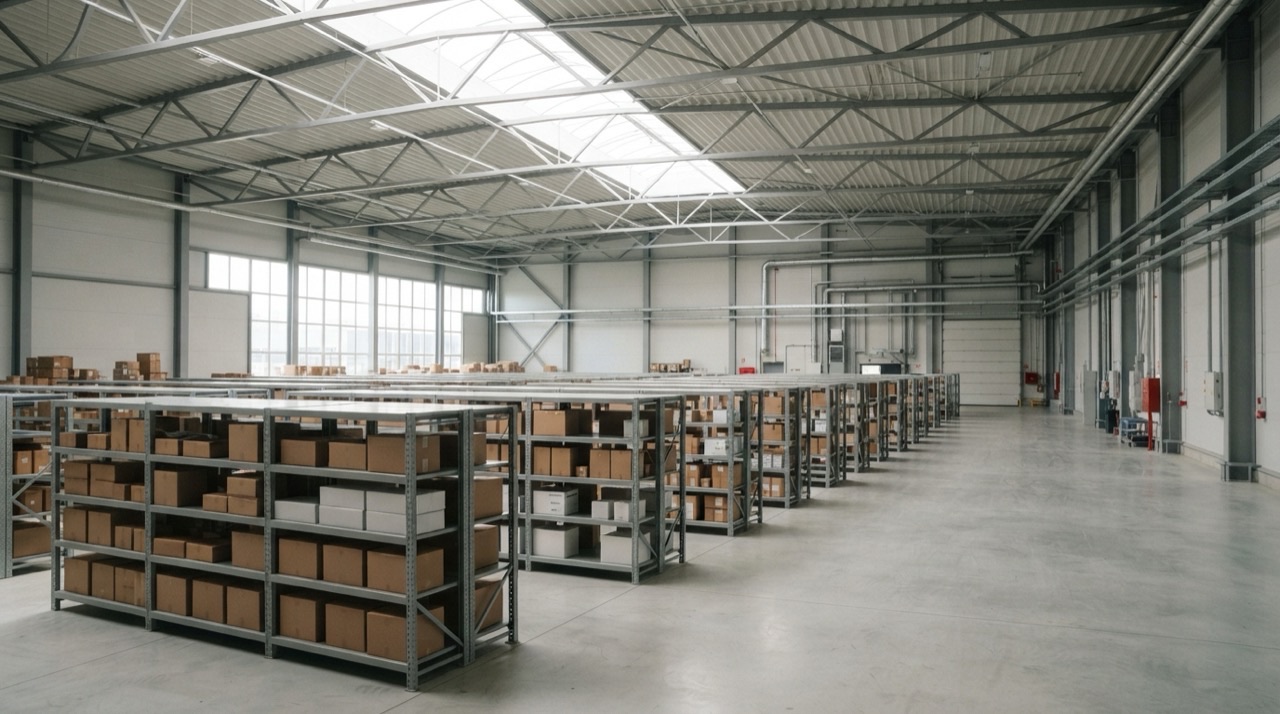
OneMiners is a miner store and ASIC hosting service run by CircleHash LLC, registered in Austin, Texas, according to its terms and conditions. You can buy a machine from its catalog and have it installed in one of its data centers, or ship in a miner you already own. The company also has an office in Prague.
The brand used to be called Kentino. Its FAQ claims more than a decade of mining and data center work, with a first mining experience dating to 2012. The founding year of CircleHash LLC is not given. Trustpilot reviewers name Michal Beno as CEO, and he signs the company's September 2026 rate card post.
The store carries Antminer, Whatsminer, Goldshell, iBeLink and Sealminer machines. On 2026-10-09 prices ran from about $5,299 for an Antminer Z15 Pro to $14,559 for a Whatsminer M79S, with the S23 Hyd listed at $15,499, marked down from $28,399.
What does OneMiners hosting cost, and what is not stated?
OneMiners charges per kWh, and the rate depends on the site and on where your miner came from. Machines bought in its store ("online-ordered") pay 5.2 to 9.5 cents per kWh. Machines you ship in ("external") pay 0.5 to 0.9 cents more. A 7-year prepaid energy block brings Nigeria down to 3.6 cents.
The table follows the official hosting-centers page and the rate card post from 2026-09-11. Prices are in US cents per kWh.
| Location | 7-year prepaid | Online-ordered | External |
|---|---|---|---|
| Nigeria | 3.6 | 5.2 | 5.7 |
| Ethiopia | 3.9 | 5.7 | 6.2 |
| UAE / Dubai | 4.2 | 6.0 | 6.6 |
| Georgia, USA | 4.5 | 6.5 | 7.1 |
| South Carolina, USA | 4.5 | 6.5 | 7.1 |
| Kansas, USA | not listed | 6.5 | 7.1 |
| Houston, USA | not listed | 6.5 | 7.1 |
| Texas, USA | not listed | 6.5 | 7.1 |
| USA "No Fees" group of sites | 5.5 | 7.9 | 8.6 |
| Finland | not listed | 6.4 | 7.0 |
| Norway Arctic | not listed | 6.4 | 7.0 |
| Canada, Quebec | not listed | 6.8 | 7.4 |
| China | not listed | 6.6 | 7.2 |
| Brazil | not listed | 6.9 | 7.5 |
| Paraguay | not listed | 6.9 | 7.5 |
| Kazakhstan | not shown | not shown | not shown |
| Czechia | 6.6 | 9.5 | 10.4 |
Prepaid discounts apply to the online-ordered rate: 4% for 1 year, 12% for 3 years, 30% for 7 years. A "Premium" tier also exists, but no separate numbers are given for it. Hardware can be bought with "Pay Later": 25% upfront and three monthly installments.
On fees the site contradicts itself. The homepage says "0% Fees." In a Trustpilot reply, the company wrote that the only mining-related fee is the pool fee, "typically between 1% and 3%." So "0%" seems to mean no management charge on top of electricity. Plan for 1-3% coming off your output anyway.
Not stated on the official site as of 2026-10-09: minimum contract length, security deposit, setup fee, KYC requirements, billing cycle, power limit per miner, whether you can point the miner to your own pool, early termination by the client, force majeure. The rate card implies 1, 3 and 7-year prepaid options, but no mandatory minimum is published.
Ask for each of these in writing before paying. Our mining profitability calculator lets you test a rate against your own hashrate and power numbers.
Who does OneMiners fit, and who does it not?
It fits a buyer who wants one vendor for the machine and the rack space, is fine paying in crypto or by bank transfer, and cares more about low published electricity rates than contract flexibility. It does not fit someone who needs pool control, monthly exit terms or one uptime figure they can enforce.
A reasonable match: you want to buy and host in one order and get the 7-year warranty that comes with hosting a machine bought there, or you are comparing cents per kWh and Nigeria, Ethiopia or the UAE look attractive.
A poor match: you want to hold the pool account yourself, you need a refund policy that goes beyond defective hardware, or you would rather not deal with a US-law contract that has an unusual entity clause (more on that below).
Where are the data centers, and what uptime is promised?
The hosting-centers page lists 16 live locations in Africa, the Middle East, the Americas, Europe and Asia, with a claimed total of 1,964 MW. Uptime appears as three different numbers on the same site: 99%+ in the FAQ, 98%+ on the hosting-centers page and at least 95% in the terms.
Listed sites: Nigeria, Ethiopia, UAE (Dubai and Abu Dhabi), USA (Georgia, South Carolina, Houston, Texas, Kansas), Canada (Quebec), Finland, Norway, Czechia, Kazakhstan, China, Paraguay and Brazil. Stated capacities include China 288 MW, South Carolina 68 MW, Texas 65 MW, Ethiopia 40 MW, Norway 36 MW plus 15 MW incoming, UAE 34 MW and Czechia 10 MW.
Nigeria is listed with 33 MW operational and 150 MW under construction. A separate promo block mentions "2 GW allocated power" there with government support. Allocated is not running. For a client, 33 MW is the figure that describes today.
The FAQ describes Norway and Nigeria as renewable and Ethiopia as hydro. Power sources for other sites are not stated. Cooling is described only as "advanced cooling technologies."
The terms promise compensation "in USD or cryptocurrency" if uptime or performance standards are not met, but publish no formula for it. Ask which uptime figure goes into your contract and how a missed hour turns into money. How hosting contracts usually work is covered in our ASIC hosting guide.
How do payments, pool and rewards work?
You can pay in BTC, USDT, USDC, ETH, by bank transfer against an invoice, from your hosting account balance or in cash at the Prague office. Prices are in US dollars. Rewards go to your wallet, other mined coins are converted to BTC automatically, and the FAQ says payouts take up to 5 business days.
The site mentions automatic energy payments deducted from mined coins. How often you are billed is not stated.
Pool choice is the weak spot. Neither the FAQ nor the terms say whether you can point your miner at your own pool. One Trustpilot reviewer claims clients cannot set up their own pool accounts, which is a single unverified report. Replying to a complaint about rewards, the company wrote that it does not take any percentage of mining revenue, and its replies describe rewards passing through the platform before they reach clients. If you want to see pool-side stats yourself, confirm this before you buy.
Monitoring runs through a web dashboard and a mobile app, with remote access mentioned in the FAQ. The homepage advertises "AI Smart Mining" boosting revenue by "6-115%," with no technical documentation on the site, so we leave it out of any math.
Per the terms, warranty is 12 months on shipped hardware and 7 years on hardware bought from OneMiners and hosted with it. Device insurance for hosted miners is mentioned without details, and the repair process is not described.
How do you start with OneMiners?
Per the FAQ and the order flow on the site, you choose a machine or bring your own, pick a location and tier, pay, and OneMiners installs the unit. After that you follow it in the dashboard, and payouts arrive in your wallet.
- Open OneMiners and pick an ASIC in the store, or choose hosting for a miner you already own.
- Select a data center and a tier: online-ordered, external or prepaid.
- Pay in BTC, USDT, USDC, ETH, by bank transfer, or with Pay Later (25% upfront).
- OneMiners installs and connects the miner at the chosen site.
- Track it in the web dashboard or the mobile app.
- Rewards go to your wallet. Payouts take up to 5 business days.
- For questions, use live chat, WhatsApp or Telegram, as listed in the FAQ.
Hardware ships internationally by UPS or DHL air freight, 3-7 business days after processing. Russia and Argentina appear in the store's country selector, but there is no customs guidance for either region.
What are the contract risks and complaints?
The terms say all sales are final, including preorders and installment orders, with refunds only for damaged or defective items. The same document promises penalty-free cancellation if OneMiners fails to deliver its services. A Trustpilot complaint describes a refused refund on a large order, so read both clauses before you pay.
Points in the terms worth reading slowly:
- Refunds. "All sales are final" sits next to a penalty-free cancellation promise for when the provider fails. Who decides that it failed is not spelled out.
- Electricity price. The terms mention fixed electricity pricing "for the year ahead." How that fits with 3-year and 7-year prepaid blocks is not explained.
- Contracting entity. Clients outside the US contract with a US company, while clients inside the US contract with a company outside the US. That is unusual and could matter in a dispute. It deserves reading before signing, ideally with a lawyer.
- Governing law. US law, through CircleHash LLC.
On Trustpilot, the oneminers.com profile showed 3.9 out of 5 from 85 reviews on 2026-10-09. The profile is claimed and on a paid plan. Positive reviews mention ease of use, Pay Later and convenient hosting. Negative ones report lower rewards than expected, slow support and withdrawal delays. One reviewer said rewards came in 15-25% below expectations while electricity was charged in full, and suggested skimming. The company denied it and blamed some delays on Bitcoin network congestion.
The circlehash.com profile, used for the B2B side, stood at about 2.5 out of 5 from roughly 17-18 reviews. Reviewers there report a refused refund on an order of about $27,000, where the company cited a "Hosting and Performance Agreement" the buyer says they never signed, plus an extra shipping charge added after purchase. One reviewer says they filed a complaint with the FBI's IC3. We saw no company replies to the negative reviews on that profile.
These are claims made on Trustpilot, not proven facts. We found no regulatory actions or lawsuits in the sources we checked.
How does OneMiners compare with Compass Mining, Blockware and SAZ Mining?
On published rates, OneMiners' cheapest online-ordered price of 5.2 cents in Nigeria is lower than the ranges shown for Compass and Blockware. SAZ Mining in Paraguay, at about 4.7 cents, is cheaper unless you commit to OneMiners' 7-year prepaid block. The three competitors state their contract length. OneMiners does not.
Competitor numbers come from the Spark Money hosting comparison page, a third-party source. The Compass range could not be confirmed on Compass's own pricing page.
| Provider | Rate per kWh | Locations | Minimum term | Setup fee |
|---|---|---|---|---|
| OneMiners | $0.036 (7-yr prepaid) to $0.104 | 16 sites worldwide | not stated | not stated |
| Compass Mining | $0.06-0.07 | 20 US facilities, 160 MW | month-to-month | varies |
| Blockware Solutions | $0.07-0.08 | Kentucky, Texas | 12 months | included |
| SAZ Mining | about $0.047 | Paraguay, Itaipu hydro | 12 months | included |
What about mining at home? The average US residential price is about 18.5 cents per kWh, roughly 3.5 times the 5.2-cent Nigeria rate. OneMiners' rate card post runs the numbers for an Antminer S23 Hyd on its own assumptions, with hashprice at $39.63 per PH/s per day on 2026-09-06: about $22.99 a day gross, about $7.12 after power at $0.18 per kWh, and about $18.18 at the Nigeria prepaid rate. That is the company's calculation on one day's hashprice, not a forecast, and it leaves out the price of the machine.
FAQ
Is OneMiners a mining pool?
No. It sells ASIC miners and hosts them. Your machine still mines through a pool, and the company says the 1-3% pool fee is the only mining-related fee. Which pool is used, and whether you can change it, is not stated on the official site as of 2026-10-09.
What is the cheapest OneMiners hosting rate?
The lowest listed rate on 2026-10-09 was 3.6 cents per kWh in Nigeria on a 7-year prepaid block. Without prepayment, Nigeria costs 5.2 cents for online-ordered machines and 5.7 cents for external ones. Czechia is the most expensive, at up to 10.4 cents.
Is there a minimum contract or a deposit?
Neither is stated on the official site as of 2026-10-09, and the same goes for the setup fee, KYC and billing cycle. The rate card suggests 1, 3 and 7-year prepaid options. Get the minimum term and any deposit confirmed in writing before you pay.
Can I get a refund?
The terms say all sales are final, with refunds only for damaged or defective items, and separately promise penalty-free cancellation if OneMiners fails to deliver. At least one Trustpilot reviewer reports a refused refund on a large order. Early termination by the client is not covered on the official pages.
What uptime does OneMiners guarantee?
The site gives 99%+ in the FAQ, 98%+ on the hosting-centers page and at least 95% in the terms. Compensation is promised in USD or crypto, with no published formula. Rely on the number in your signed contract.
Can I send my own miner to OneMiners?
Yes, under the "External" tier, which costs 0.5 to 0.9 cents per kWh more than the online-ordered rate at the same site. Accepted models and power limits per machine are not listed explicitly.
If the published rates fit your numbers and the open questions above get answered in writing, current prices and locations are on the OneMiners site.
This article contains a referral link: we may receive a reward if you register through it. It does not change the figures or conclusions.