
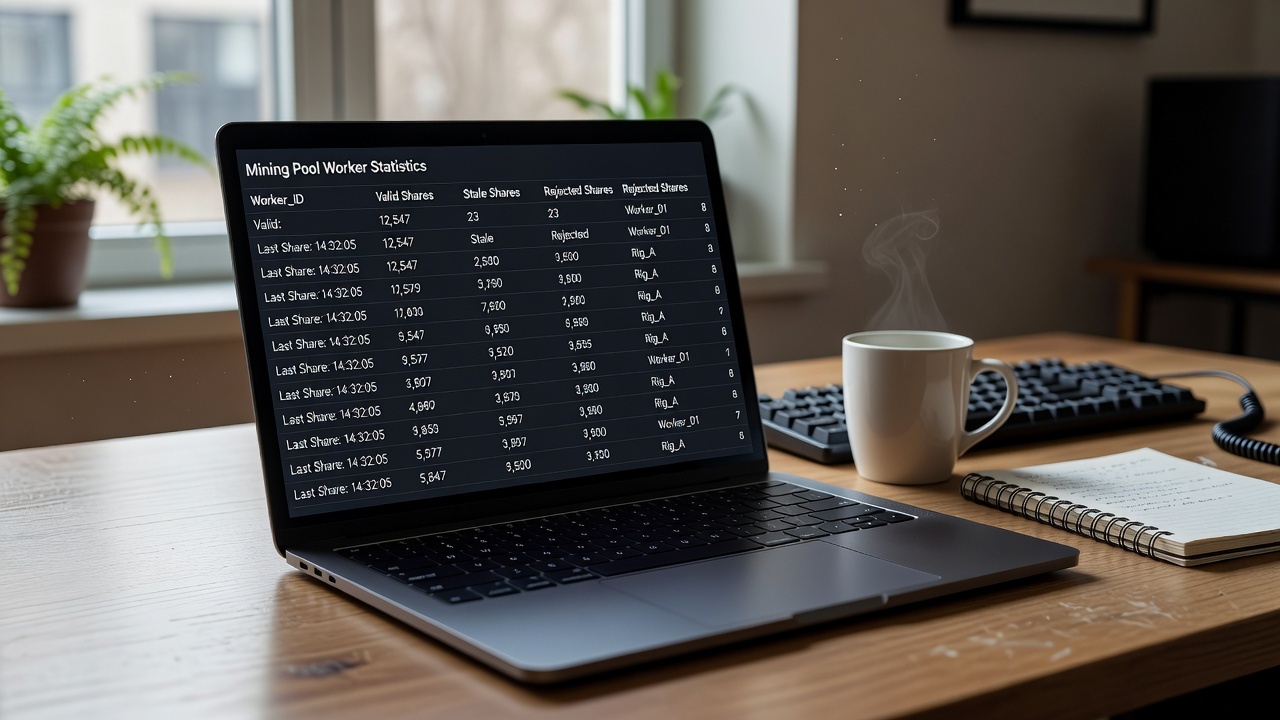
Rejected Shares: What They Are and How to Reduce Them
Rejected shares are share solutions the pool has flagged as invalid. Unlike stale shares (which arrive late), rejected shares more often point to a settings or hardware problem rather than just network latency.
Main Causes of Rejected Shares
- Incorrect difficulty settings. A worker difficulty set too low creates excess traffic and raises the chance of rejection - most firmware auto-tunes this, but manual configuration is easy to get wrong
- Unstable power supply. Voltage sags can cause computation errors on the chips, resulting in invalid solutions
- Chip overheating. At high temperatures, some ASIC cores start producing erroneous hashes
- Outdated firmware. Bugs in older firmware versions sometimes cause incorrect share formation
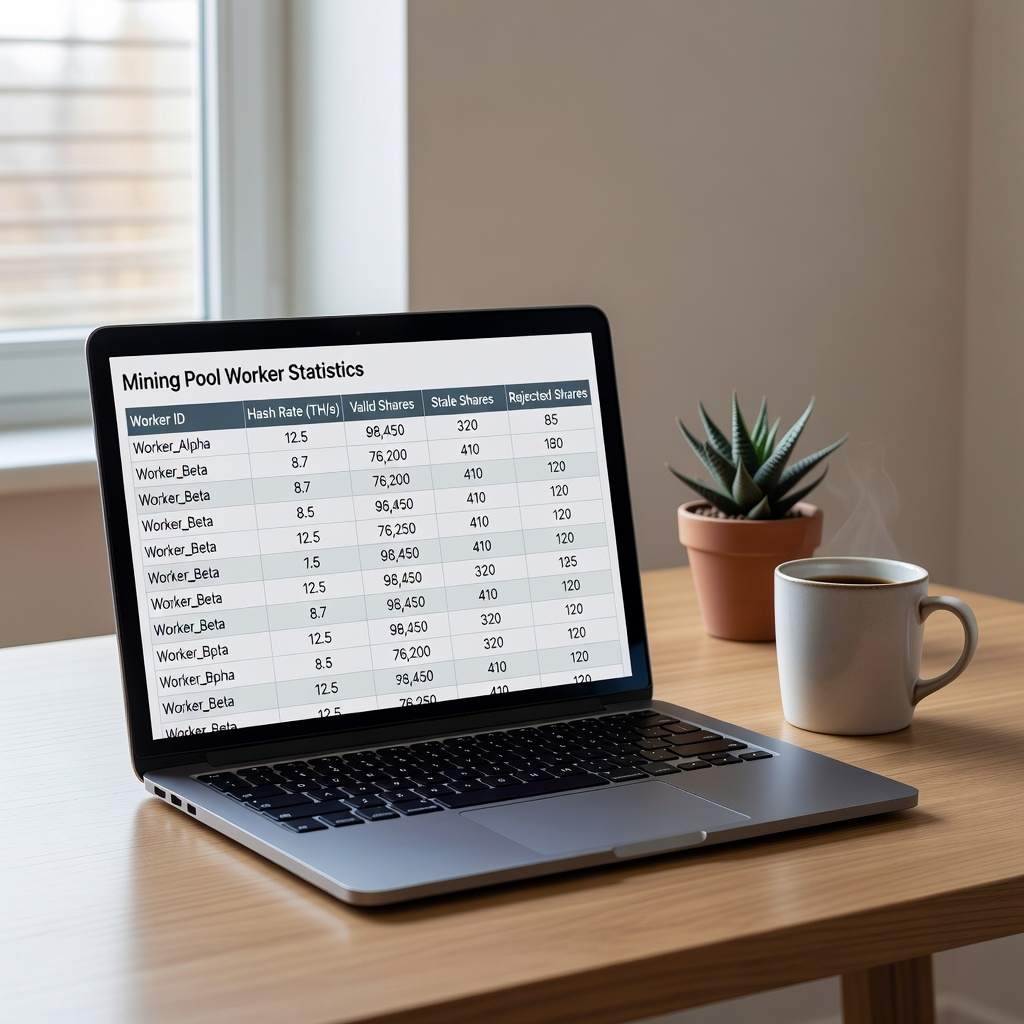
How to Diagnose and Fix It
- Check chip temperature via the ASIC's web interface - if it's above the manufacturer's recommendation, clean the fans and heatsinks of dust
- Update to the latest stable firmware - manufacturers regularly fix bugs affecting computation accuracy
- Check your power supply - use a PSU with at least 20% headroom over the miner's peak power draw
- Normal rejected share rate is typically under 1%. If it's consistently above 2-3%, the hardware needs diagnostics
If the issue isn't settings but network latency, see our latency and server selection guide.
Frequently Asked Questions
Are rejected and stale shares the same thing?
No. Stale shares are late due to network latency and are relatively harmless. Rejected shares were deemed invalid on their merits - more often pointing to a hardware or settings problem.
How much income is lost to rejected shares?
At a rate under 1%, losses are minimal. At 5% or higher, income losses can reach a comparable share - roughly 5% of the worker's gross income.